CAF Signs $450,000 Technical Cooperation for Ecuador's National Competitiveness Strategy as II International Economic Forum Launches

CAF Commits to Ecuador's Competitiveness Agenda
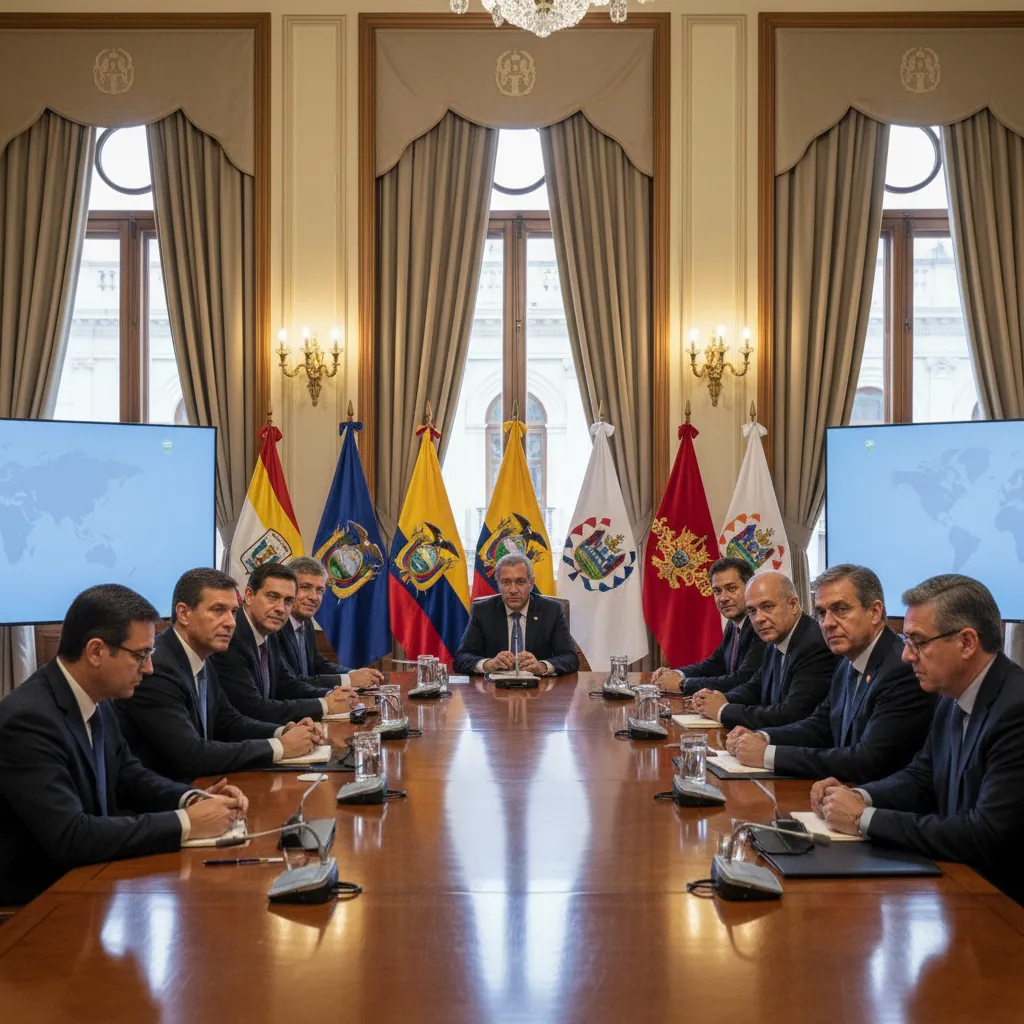
CAF (Development Bank of Latin America and the Caribbean) has signed a $450,000 non-reimbursable technical cooperation agreement with Ecuador to support the design and implementation of a national competitiveness strategy targeting the country's productive sector. The agreement was formalized at a high-level event in Quito marking the launch of the II International Economic Forum 2026 and the Latin America and Caribbean Business Roundtable.
Agreement details
| Element | Details |
|---|---|
| Funding | $450,000 non-reimbursable (grant) |
| Purpose | Design comprehensive national competitiveness policy |
| Scope | Productive sector strategy, regulatory framework, institutional capacity |
| Duration | 18 months |
| Signatories | CAF + Ecuador's Ministry of Economy and Finance |
| Implementing agencies | Ministry of Production (MPCEIP), Ministry of Economy |
What the competitiveness strategy covers
The technical cooperation will fund the development of a policy framework addressing five pillars of Ecuador's productive competitiveness:
1. Trade facilitation and logistics
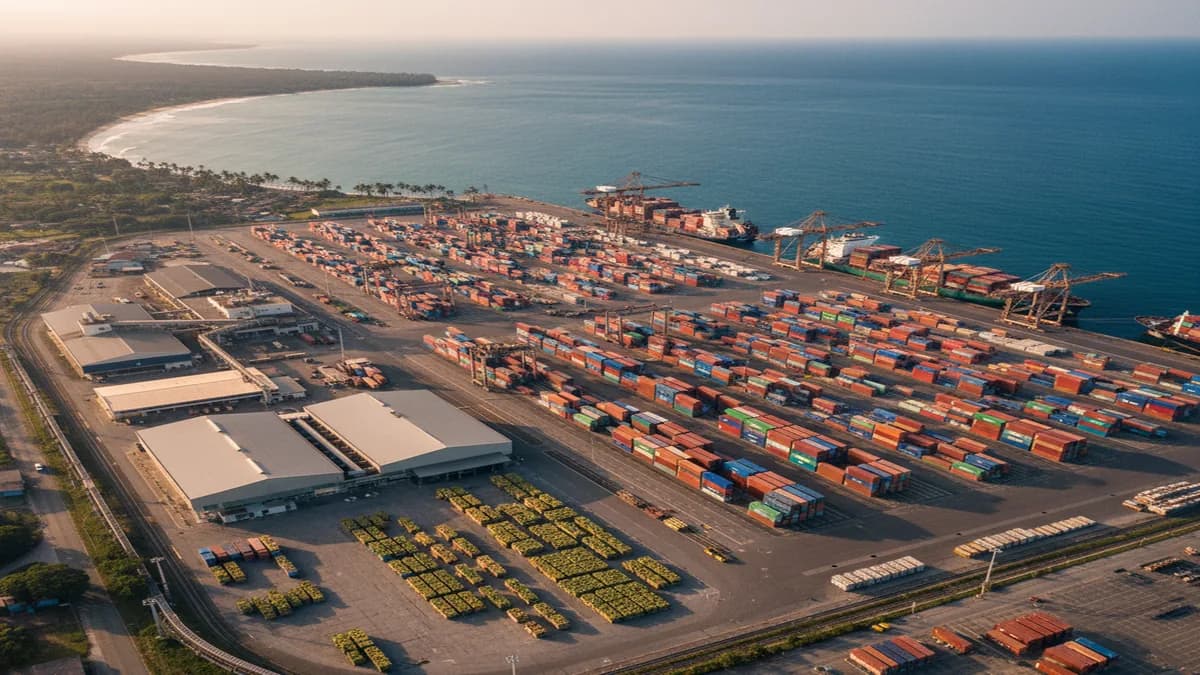
- Customs modernization and processing time reduction
- Port and airport efficiency benchmarking
- Single-window integration for export documentation
2. Innovation and technology adoption
- R&D incentive framework for private sector
- Technology transfer mechanisms for SMEs
- Digital transformation roadmap for key export sectors
3. Regulatory simplification
- Business registration and licensing reform
- Sector-specific regulatory review (mining, energy, agriculture)
- Environmental permitting streamlining
4. Human capital development
- Skills gap analysis across priority sectors
- Technical education alignment with industry needs
- Labor market flexibility reforms
5. Access to finance
- SME credit guarantee mechanisms
- Capital market deepening initiatives
- Green and sustainable finance frameworks
CAF's broader Ecuador portfolio
The $450,000 cooperation agreement sits within CAF's substantial Ecuador investment portfolio:
| Metric | Value |
|---|---|
| Total CAF lending to Ecuador | ~$4.5B (outstanding) |
| 2025 approvals | ~$850M |
| Active projects | ~35 |
| Key sectors | Infrastructure, energy, water/sanitation, urban development |
| Technical cooperation (cumulative) | ~$25M in non-reimbursable grants |
CAF has been one of Ecuador's most consistent multilateral partners, maintaining lending levels even during periods when IMF or World Bank engagement was politically complicated under previous administrations.
II International Economic Forum 2026
The forum launch brought together government officials, multilateral institutions, and private sector leaders to discuss Ecuador's economic integration strategy. Key attendees included:
- Sariha Moya — Economy and Finance Minister
- Luis Alberto Jaramillo — Production, Foreign Trade, and Investment Minister
- CAF senior leadership — Country office and technical teams
- Private sector representatives — from Ecuador's chambers of commerce and industry associations
Minister Jaramillo emphasized that the competitiveness strategy would complement the recently concluded US-Ecuador trade agreement by ensuring Ecuador's productive capacity can meet the expanded market access. He stated that Ecuador must "move beyond commodity dependence toward value-added exports" to fully capitalize on the trade deal.
Latin America and Caribbean Business Roundtable
The Business Roundtable initiative — also launched at the event — creates a structured dialogue platform between CAF and private sector leaders across the region. For Ecuador, this provides:
- Direct access to CAF financing teams for project development
- Peer exchange with business leaders from other CAF member countries
- Pipeline visibility for upcoming infrastructure and energy procurement
- Input channel for regulatory reform recommendations
What to watch
Track the competitiveness strategy's draft timeline — the 18-month window means initial policy recommendations could emerge by mid-2027, shaping the regulatory environment for the next presidential term. Monitor whether the strategy produces actionable regulatory reforms or remains aspirational. Watch for CAF lending approvals in 2026 that build on the competitiveness framework — particularly in energy, trade facilitation, and SME finance. Track whether MPCEIP integrates the competitiveness strategy recommendations into the trade agreement implementation roadmap.
Sources: CAF, El Comercio, MPCEIP
Source
CAF / El Comercio — “Ecuador se suma al Foro Económico Internacional 2026 y firma acuerdo de cooperación técnica con CAF”
View originalSupport the EcuadorBrief archive.
Research support helps fund review, corrections, and hosting. New publishing is paused.