Mining
Gold, copper, silver, concessions
58 articlesCuripamba-El Domo Mining Project Advances Towards Targeted July 2027 Operation
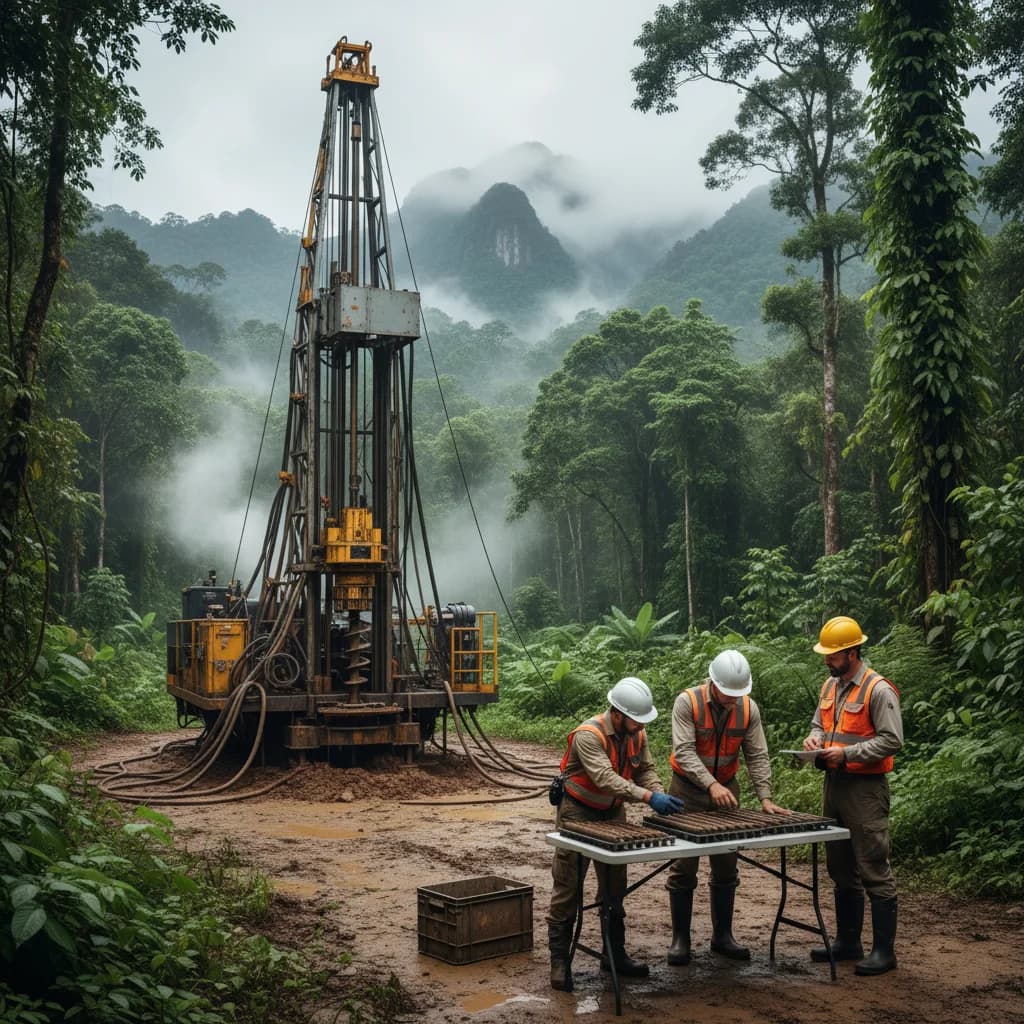
The Curipamba-El Domo polymetallic project in Ecuador's central Sierra region is progressing, with commercial operations targeted for July 2027. Owned by Salazar Resources and Silvercorp Metals Inc., the open-pit mine has an estimated 11.5-year operational life and $283.7 million in initial capital costs.
Ecuador Gives Arcom a USD 888,000 Technology Package for Mining Oversight
The Ministry of Environment and Energy has delivered a technology package valued at approximately USD 888,000 to Ecuador’s mining regulator, Arcom. The equipment is intended to strengthen mapping, surveying, and territorial control, including in hard-to-reach mining areas.
Lundin Gold’s Fruta del Norte Plan Links Processing, Exploration, and Power
Lundin Gold wants to lift daily processing from 5,500 to 7,000 tonnes within a year while maintaining a production profile near 500,000 ounces and arranging additional power for the mine.
Ecuador Tightens Prior Controls on Mineral Exports to China
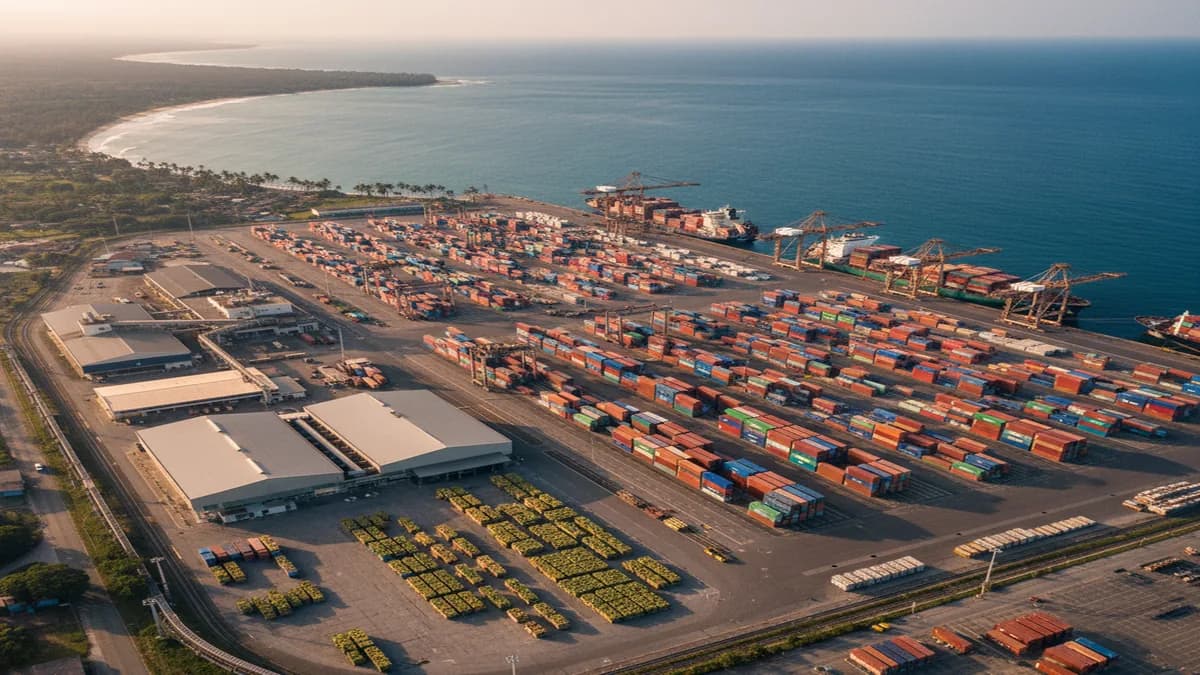
Ecuador has imposed prior controls on processed mineralized material headed to China, especially gold and copper. The policy responds to a highly concentrated destination market: China received 94.73% of Ecuador’s copper-concentrate export volume in the first half of 2026.
Ecuador Mining Exports Reach USD 1.381 Billion as Eight-Project Pipeline Takes Shape
Ecuador’s mining exports reached USD 1.3814 billion in Q1 2026, up 65.3% year over year. The Central Bank report also maps two producing large-scale mines and six exploration projects, including a USD 4.209 billion estimate for Cascabel.
Canada-Ecuador FTA Reframes Mining Pipeline As Catastro Remains Closed
Ecuador's July 24 free-trade agreement with Canada improves the investment-policy signal for mining, but the sector still faces a closed mining cadastre and unresolved fiscal concerns. Canadian-linked projects include Fruta del Norte, El Domo, La Plata, Warintza, Loma Larga, and Ruta del Cobre exposure.
Zamora Chinchipe Tax Revenue Reaches USD 758M, Overtaking Azuay
Zamora Chinchipe collected USD 758 million in taxes in the first half of 2026, a 76% increase year on year. The result places the mining province ahead of Azuay in tax collection and highlights the fiscal weight of Fruta del Norte and Mirador.
BCE Gold Purchases From Small Miners Reach USD 573M Over 10 Years
The Central Bank of Ecuador has purchased more than 9.8 tonnes of gold from artisanal and small-scale miners over 10 years, totaling USD 573 million. Gold monetary reserves reached USD 3.812 billion by April 2026, representing 33.11% of international reserves.
Fruta Del Norte Produces 118,994 Gold Ounces In Q2 2026
Fruta del Norte produced 118,994 ounces of gold in Q2 2026, including 79,208 ounces in concentrate and 39,786 ounces of doré. Lundin Gold sold 110,385 ounces at an average price of USD 4,359 per ounce and maintained 2026 guidance of 475,000-525,000 ounces.
Boroo completed an Ecuador mining-company acquisition in March 2026
What Boroo's own filing says about its $5.75 million acquisition of EMSAEC from Codelco and the limits of its concession disclosure.
Ecuador Excludes Exploration From 2026 Mining Fee, Projects USD 44.04M In Revenue
Ecuador updated its 2026 mining supervision and control fee methodology to exclude exploration and economic-evaluation concessions. The government projects USD 44.04 million in total revenue, including metallic concessions, processing plants, non-metallic concessions and commercial licenses.
Ecuador Cuts Mining-Fee Revenue Forecast to USD 44M as Exploration Is Excluded
Ecuador reduced its projected annual mining-fee revenue from USD 220 million to USD 44 million after excluding exploration-stage concessions from the control fee. The revised framework, in force from June 26, adds 300 mineral-processing plants and recalibrates payment timing for 2026.
ARCOM Proposes Cutting Mining-Fee Target to USD 44M and Excluding Exploration
ARCOM is circulating a reform to Ecuador’s mining supervision fee that would cut projected collection by roughly 80%, from USD 221.75M to USD 44M. The proposal would exclude initial exploration, advanced exploration and economic evaluation projects, addressing one of the mining sector’s main investment-cost objections.
Ecuador Seeks 100% Mine Self-Generation in Cascabel and Mirador II Renegotiations
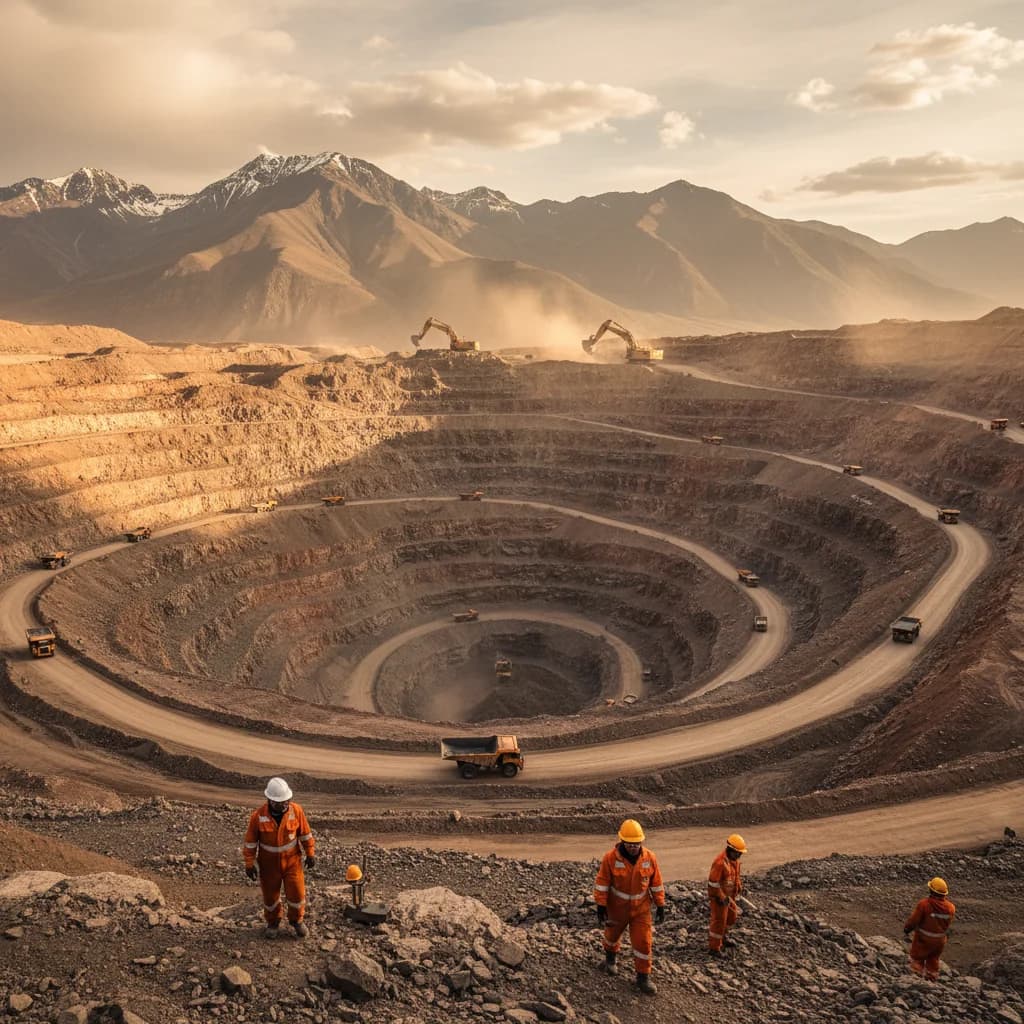
Ecuador is seeking contract addenda for the Cascabel and Mirador II copper projects, with power self-generation as a critical condition. The government wants new mines to cover 100% of their power demand as industrial mining could add at least 4,468 MW of electricity demand by 2035.
ARCOM Attack in Machala Raises Risk Around El Oro Mining Controls
An explosive attack affected the ARCOM office in Machala on the night of June 12, 2026. Authorities linked the incident to 88 illegal-mining operations in El Oro, adding a security-risk layer to mining enforcement in one of Ecuador's active control zones.
Orellana Illegal-Mining Operation Destroys Equipment Worth Estimated $1.2M
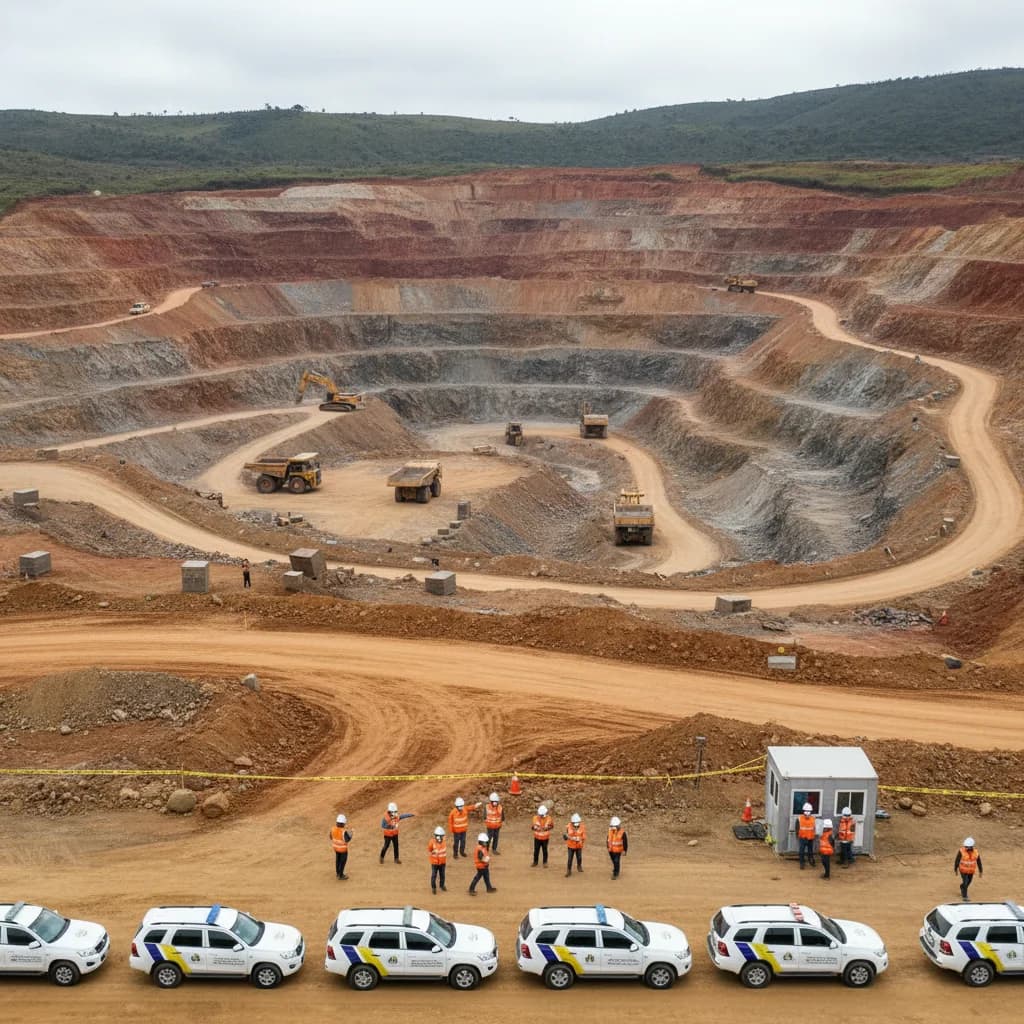
A military operation in Orellana caused an estimated $1.2 million loss to illegal mining structures, according to the Defense Ministry. The intervention destroyed camps, excavators, suction motors, classifiers, generators and 2,660 gallons of fuel.
Ecociencia Identifies 111 Mining-Affected Hectares in Protected Areas
Ecociencia identified 111 hectares affected by mining inside protected and conservation areas in Zamora Chinchipe. The report monitored four case studies from 2011 to 2025 and points to enforcement pressure in Ecuador’s southern Amazon mining corridor.
Energy Minister Says Cascabel Mining Contract Will Be Renegotiated
Ecuador's energy minister said the Cascabel exploitation contract will be renegotiated, Primicias reports. The project carries a 33-year mine-life plan, approximately $4.2B in expected investment, a 4,979-hectare concession and Chinese control after Jiangxi Copper's SolGold acquisition.
Cerro Azul Order Tests Ecuador Mining Cadastre Reopening After Eight-Year Freeze
Ecuador's mining cadastre reopening moved back into focus after a ministerial agreement tied to Cerro Azul, Primicias reports. The order directs Arcom to begin a gradual and progressive opening for small mining of aggregates and stone materials in the Guayaquil-Daule-Samborondon corridor.
Mining Exports Reach $1.381B in Q1, With Fruta del Norte and Mirador at 75% of Value
Ecuadorian mining exports reached $1.381 billion through March 2026, up 65% year over year, according to Primicias. Fruta del Norte and Mirador represented 75% of mining export value in the quarter.