Colombia Sends High-Level Delegation to Quito in Bid to De-Escalate Trade War as Reciprocal 30% Tariffs Enter Second Week

Colombia Sends High-Level Delegation to Quito in Bid to De-Escalate Trade War
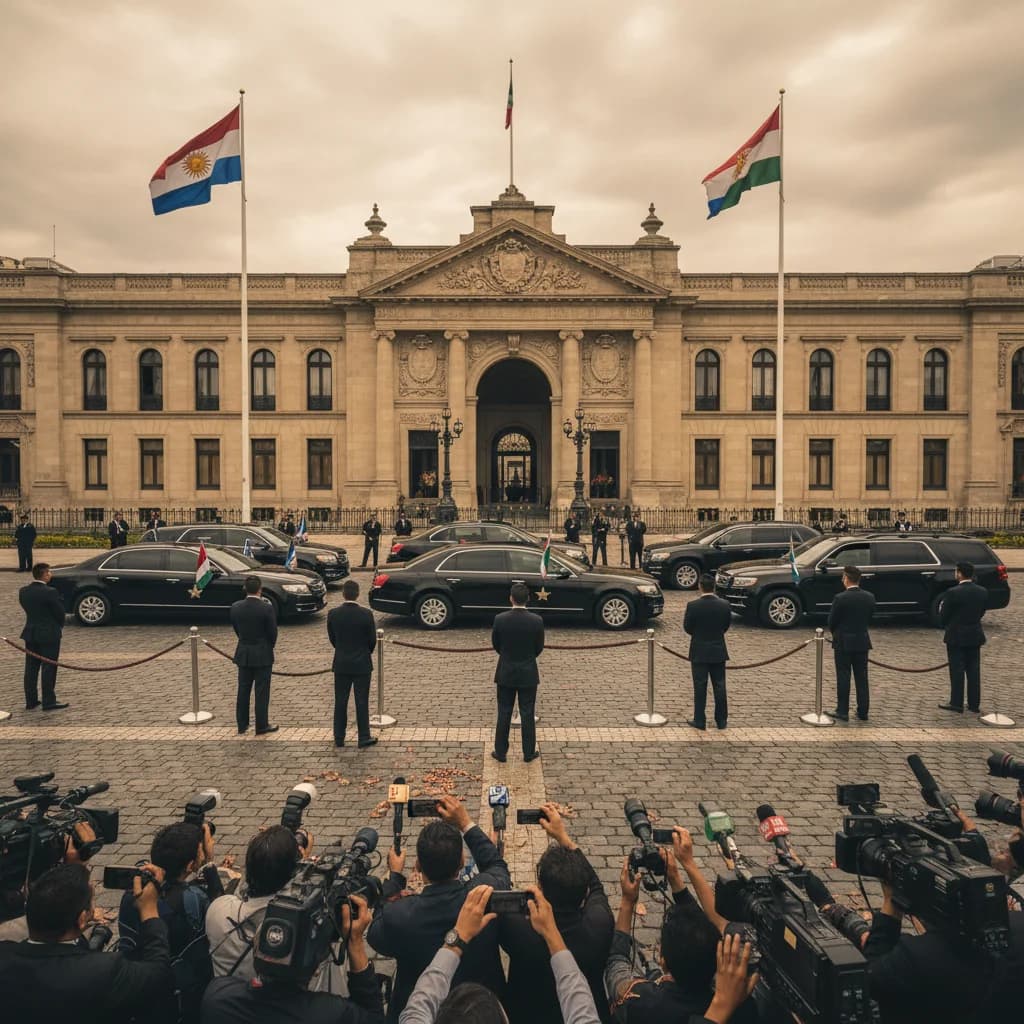
Colombia's Ministry of Foreign Affairs confirmed on February 6 the dispatch of a high-level delegation to Quito for closed-door bilateral talks aimed at resolving the rapidly escalating trade war between the two Andean neighbours. The visit was authorised directly by President Gustavo Petro and framed within Colombia's policy of "good neighbourly relations and the spirit of cooperation and integration."
Ecuador's Foreign Ministry confirmed the meeting would take place but declined to reveal the time or location, emphasising it would be "private, without media coverage."
Delegation composition
The Colombian delegation is led by:
- Chancellor Rosa Yolanda Villavicencio Mapy -- Foreign Minister
- Pedro Sanchez Suarez -- Defense Minister
- Tito Rufino Yepes Delgado -- Vice Minister of Foreign Trade
Senior officials from the Ministry of Commerce, Industry and Tourism, Ministry of Mines and Energy, and Ministry of Justice and Law also participated, alongside representatives from state oil company Ecopetrol -- a notable inclusion given the 900% pipeline tariff dispute.
Agenda and objectives
Both governments stated the talks aimed to reach "understandings in security and defence matters, as well as agree on concrete steps for the full restoration of binational exchanges in the border, commercial and energy sectors." The agenda encompassed four priority areas:
- Security and defence cooperation -- including Colombia's pledge to eradicate 5,000 hectares of coca along the shared frontier and strengthen military presence against transnational organised crime
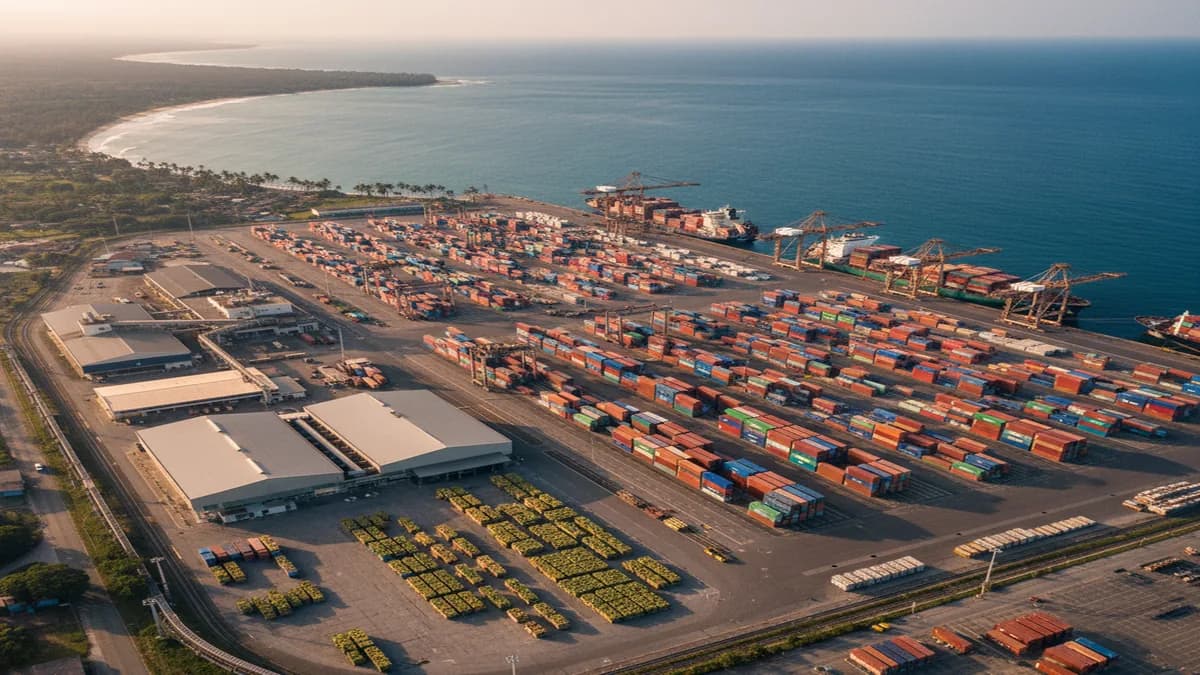
- Trade normalisation -- addressing the reciprocal 30% tariffs that have paralysed commerce through the Rumichaca International Bridge since February 1
- Energy restoration -- Colombia's indefinite suspension of electricity exports, which supply up to 10% of Ecuador's power during drought season (September-March), costing Ecuador an estimated $2 million per day in replacement energy
- Pipeline dispute -- Ecuador's decision to raise the fee for Colombian crude transported through the state-owned SOTE pipeline from $3 to $30 per barrel
Trade war timeline
The crisis escalated rapidly over a three-week period:
| Date | Action |
|---|---|
| January 21 | President Noboa announces 30% "security tariff" on Colombian imports from Davos, citing insufficient narco-trafficking cooperation |
| January 22 | Colombia suspends electricity exports to Ecuador indefinitely |
| January 28 | Colombia imposes reciprocal 30% tariffs on 50+ Ecuadorian products including rice and auto parts |
| January 30 | CAN (Andean Community) offers to mediate |
| February 1 | Both sets of tariffs take effect |
| February 3 | Truckers and merchants protest at Rumichaca border crossing |
| February 4 | Ecuador raises SOTE pipeline fee 900% |
| February 6 | Colombia sends delegation to Quito |
Economic stakes
Bilateral trade was valued at approximately $3.2 billion annually, with Colombia sending roughly $1.7 billion in goods to Ecuador. The trade relationship is asymmetrically important: Ecuador's dollarised economy cannot absorb tariff shocks through currency devaluation, and its electricity dependence on Colombia creates additional leverage for Bogota.
The border city of Ipiales (Colombia) derives an estimated 38% of its economic activity from cross-border commerce with Ecuador, according to local trucking association president Edison Mena, who helped organise the February 3 border protests.
Analysts at Americas Quarterly have characterised the dispute as a "zero-sum game," noting that both leaders face weak domestic approval ratings and are "weaponising the border crisis for nationalist rallying and blame deflection" -- creating a risk that temporary economic measures become permanent fixtures.
What to watch
The outcome of the February 6 meeting has not been publicly disclosed. Key indicators to monitor include whether Colombia resumes electricity exports, any modification to the SOTE pipeline tariff, and whether either government signals willingness to roll back the reciprocal 30% duties. The Andean Community (CAN) continues to position itself as a mediator to protect the decades-old regional free trade zone.
Source
El Telegrafo — “Colombia confirma envio de delegacion oficial a Quito para recomponer relacion bilateral”
View originalSupport the EcuadorBrief archive.
Research support helps fund review, corrections, and hosting. New publishing is paused.