DP World Advances $190 Million Posorja Port Expansion: Berth to Reach 800 Meters by Late 2026, Capacity Jumps 40% to 1.4 Million TEU

DP World Advances $190M Posorja Port Expansion
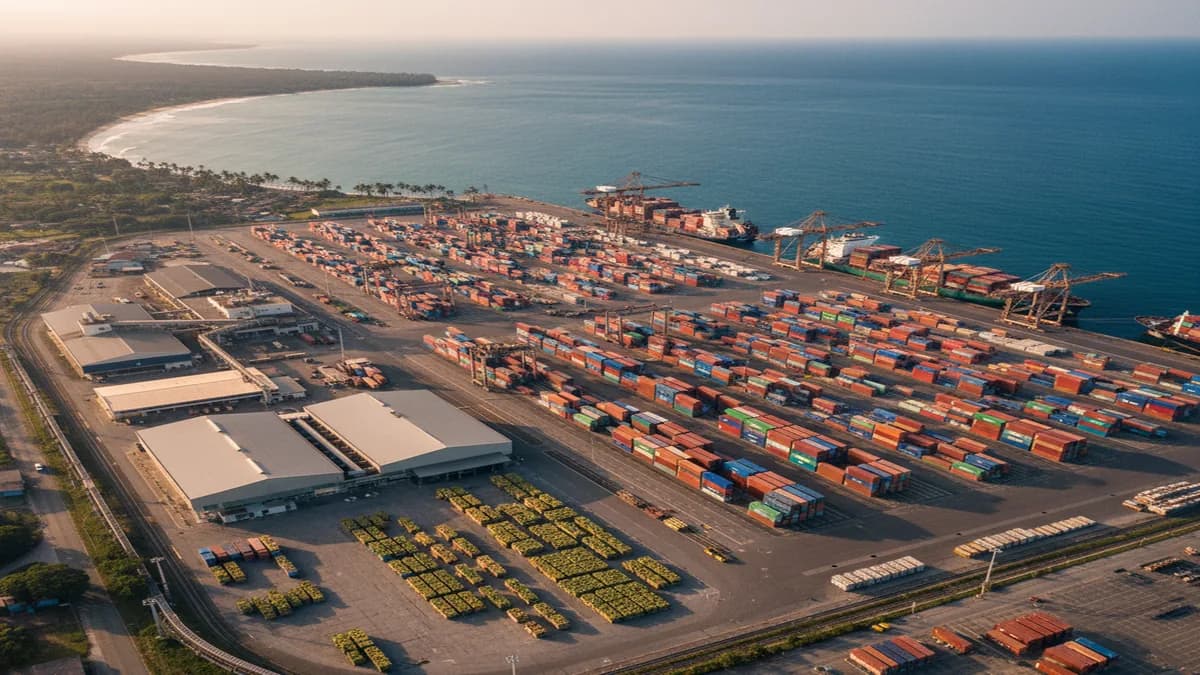
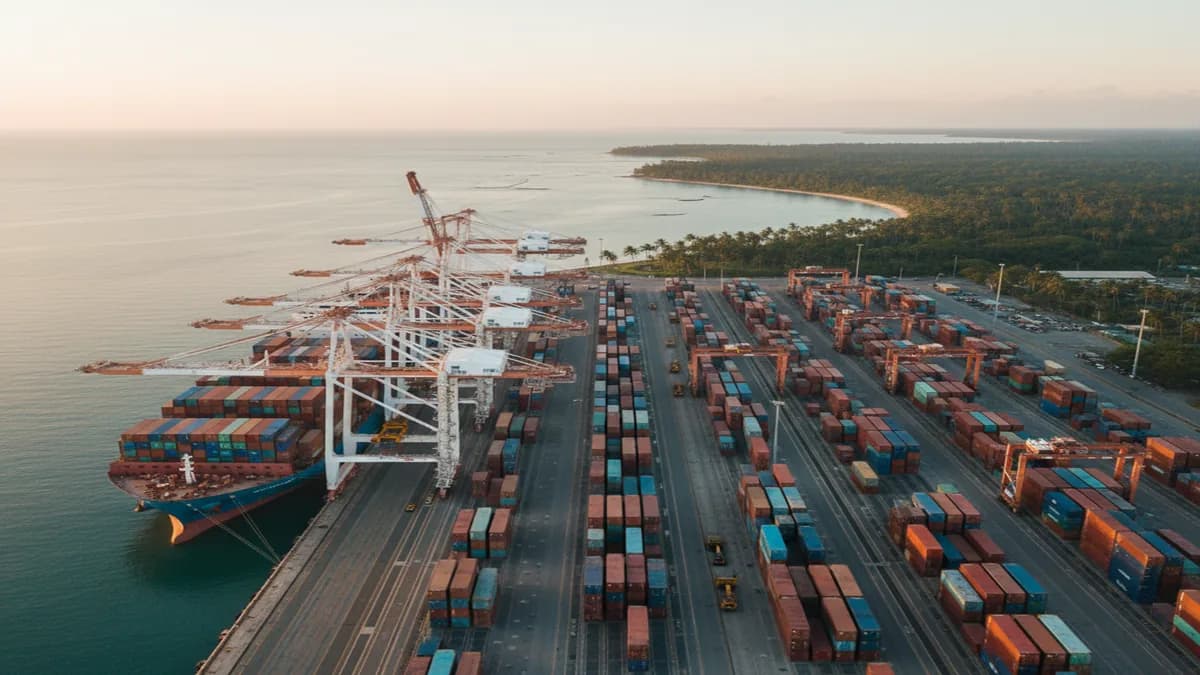
DP World, the Dubai-based global port operator, announced the advancement of a $190 million expansion of its Posorja deep-water terminal on Ecuador's Pacific coast, extending the main berth from 467.5 meters to 800 meters and increasing annual capacity by 40% to 1.4 million TEU. The investment represents the largest single private infrastructure commitment in Ecuador's maritime sector.
Construction is progressing on schedule, with the berth reaching 700 meters by April 2026 and the full 800 meters by late 2026, according to a February 11 company statement.
Expansion timeline
| Phase | Berth length | Completion | Capacity |
|---|---|---|---|
| Current | 467.5m | Operational | ~1.0M TEU |
| Phase 1 | 700m | April 2026 | ~1.2M TEU |
| Phase 2 (full) | 800m | Late 2026 | 1.4M TEU |
The completed 800-meter quay will enable simultaneous berthing of two fully loaded post-Panamax vessels — eliminating scheduling bottlenecks during peak shipping periods.
Equipment deployment
The expansion includes substantial investment in electrified port equipment:
| Equipment | Quantity | Specification |
|---|---|---|
| Ship-to-shore quay cranes | 2 (all-electric) | Longest outreach in Ecuador; services 400m vessels |
| Rubber-tired gantry cranes | 3 (hybrid) | Yard stacking and container handling |
| Internal transport vehicles | 15 (electric) | Terminal logistics |
| Refrigerated container plugs | 900+ (new) | Cold chain for agricultural exports |
The 900+ refrigerated plugs are strategically significant. Shrimp, bananas, flowers, and cacao all require temperature-controlled logistics, and the reefer expansion addresses a capacity constraint that has forced exporters to route cargo through Guayaquil's congested inner-harbour terminals.
World Bank recognition
DP World Posorja was named the most efficient port in Latin America and the Caribbean by the World Bank's Container Port Performance Index in 2024, ranking ahead of Santos (Brazil), Cartagena (Colombia), and Manzanillo (Mexico). The terminal's 16-meter draft accommodates the largest vessels on Pacific trade routes.
Strategic context
The expansion arrives as Ecuador's non-petroleum exports have surged to a record $25.2 billion in 2025:
| Export product | 2025 value | Primary port | Cold chain |
|---|---|---|---|
| Shrimp | $8.4B | Posorja / Guayaquil | Yes |
| Bananas | $4.3B | Puerto Bolívar / Guayaquil | Yes |
| Cacao | $4.7B | Guayaquil | Partial |
| Canned fish | $1.8B | Manta / Posorja | No |
Posorja's deep-water access allows it to dispatch the largest container vessels, avoiding the tidal and draft restrictions of Guayaquil's river port. This translates to lower per-unit shipping costs and better connectivity to Asian and European markets.
Investment context
The $190 million expansion is part of DP World's broader Latin American strategy, with approximately $1.2 billion committed to regional port infrastructure over 2024–2028. For Ecuador, it is the largest private infrastructure project outside the extractive sector and represents a vote of confidence in the country's trade trajectory.
What to watch
Track the April 2026 Phase 1 completion (700m berth) for on-time delivery. Monitor TEU throughput data quarterly to measure capacity utilisation gains. Watch for free trade zone or special economic zone designation for Posorja — a policy under consideration that could attract value-added processing (shrimp packaging, banana pre-cooling) to the port complex. The reefer plug utilisation rate will be a leading indicator of whether cold chain capacity is enabling or constraining export growth.
Sources: GlobeNewsWire, DP World, World Bank
Source
GlobeNewsWire / DP World — “DP World Advances Posorja Berth Expansion, Unlocking 40% More Capacity”
View originalSupport the EcuadorBrief archive.
Research support helps fund review, corrections, and hosting. New publishing is paused.