Ecuador-Colombia Tariff War at 50% — Lima Talks March 26-27

The Escalation
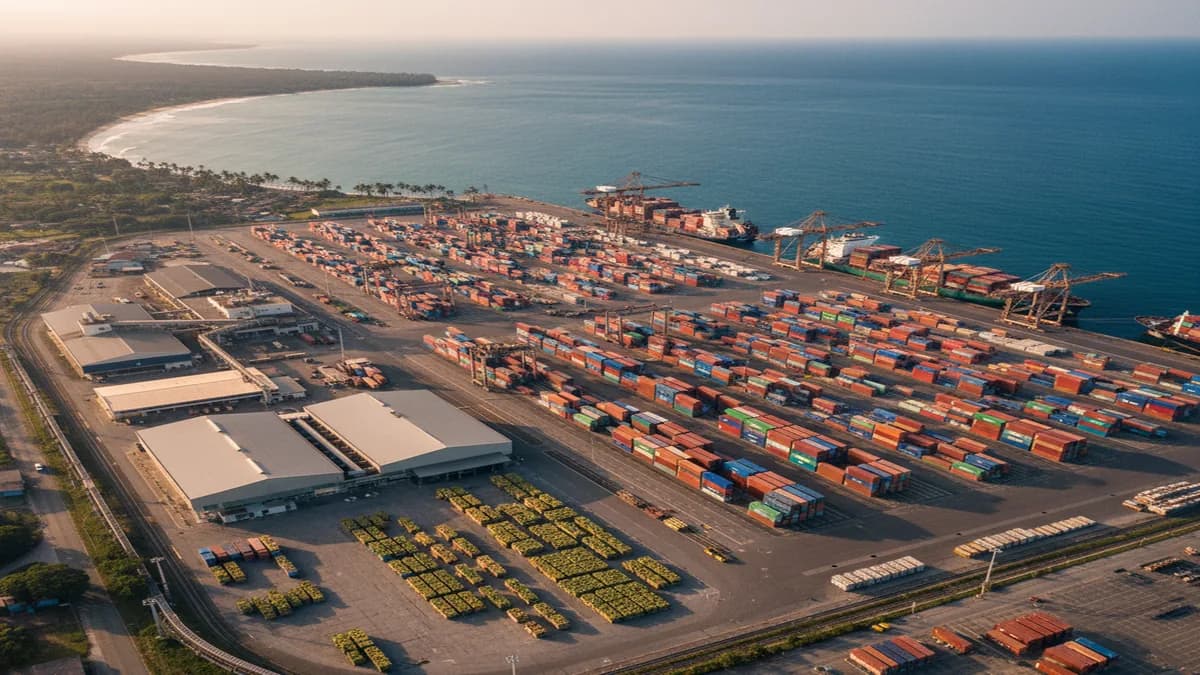
Ecuador and Colombia are locked in an escalating tariff war that has pushed reciprocal duties to 50% on a broad range of goods, putting approximately $2.8 billion in annual bilateral trade at risk. Mediation talks are scheduled for March 26-27 in Lima, hosted by Peru in an effort to de-escalate the most serious commercial confrontation between the Andean neighbors in over a decade.
Trade at Stake
| Flow | Annual Value | Key Products |
|---|---|---|
| Ecuador → Colombia | ~$1.1B | Canned tuna, palm oil, processed foods, vehicles |
| Colombia → Ecuador | ~$1.7B | Pharmaceuticals, textiles, plastics, vehicles, confectionery |
| Total bilateral | ~$2.8B | — |
Colombia is Ecuador's second-largest regional trading partner after Peru and a critical source of imported consumer goods, pharmaceuticals, and intermediate manufacturing inputs. The 50% tariff effectively prices many products out of their respective markets.
Timeline of Escalation
| Date | Action |
|---|---|
| Late February 2026 | Colombia imposes initial tariffs on select Ecuadorian goods |
| Early March 2026 | Ecuador retaliates with matching tariff increases |
| Mid-March 2026 | Both sides escalate to 50% across broad product categories |
| March 26-27 | Lima mediation talks scheduled |
The dispute originated from disagreements over safeguard measures and rules of origin compliance under the Andean Community (CAN) framework, which historically guaranteed duty-free trade between member states (Ecuador, Colombia, Peru, Bolivia).
Sector Impact
Pharmaceuticals: Ecuador imports approximately $400 million annually in Colombian pharmaceuticals and medical supplies. A sustained 50% tariff would force healthcare providers to source from more expensive U.S. or European suppliers, increasing costs for hospitals and pharmacies.
Agriculture: Colombian processed foods, confectionery, and beverages have significant market share in Ecuadorian supermarkets. Ecuadorian canned tuna and palm oil exports to Colombia face equivalent barriers.
Manufacturing: Cross-border supply chains in the automotive and plastics sectors face disruption, with components crossing the border multiple times during production.
Border communities: Commercial activity in border provinces on both sides depends heavily on bilateral trade flows.
What to Watch
- Lima talks outcome — success would likely involve a phased tariff rollback and renewed CAN compliance commitments; failure could trigger further escalation
- CAN arbitration — either party could invoke the Andean Community's dispute resolution mechanism, though this process is slow
- Consumer price impact — Colombian goods represent a significant share of Ecuador's imported consumer basket; prolonged tariffs will feed into inflation data
- Third-party substitution — whether Ecuadorian importers shift sourcing from Colombia to Peru, Mexico, or China for affected product categories
Sources: Al Jazeera, ColombiaOne
Support the EcuadorBrief archive.
Research support helps fund review, corrections, and hosting. New publishing is paused.