Nine-Province Curfew May 3-18 Imposes Overnight Operations Restructuring on Banana, Logistics, Manufacturing

The Decree Parameters
President Daniel Noboa announced a curfew running May 3 through May 18, 2026, nightly from 23:00 to 05:00, per Primicias (source on exemptions).
Coverage
| Unit | Name |
|---|---|
| Provinces (9) | Pichincha, Guayas, Manabí, Santa Elena, Los Ríos, El Oro, Esmeraldas, Santo Domingo de los Tsáchilas, Sucumbíos |
| Cantones (4) | La Maná (Cotopaxi), Las Naves (Bolívar), Echeandía (Bolívar), La Troncal (Cañar) |
Exemption Posture
Interior Minister John Reimberg:
"La excepción es que vayamos a tener a todo el mundo transitando. La excepción es decir que un X sector puede salir, salen todos."
Sectors that requested exemptions:
- Clúster Bananero del Ecuador — banana and plantain export cluster
- General productive and business sectors
Sector-Specific Operational Impact
| Sector | Impact |
|---|---|
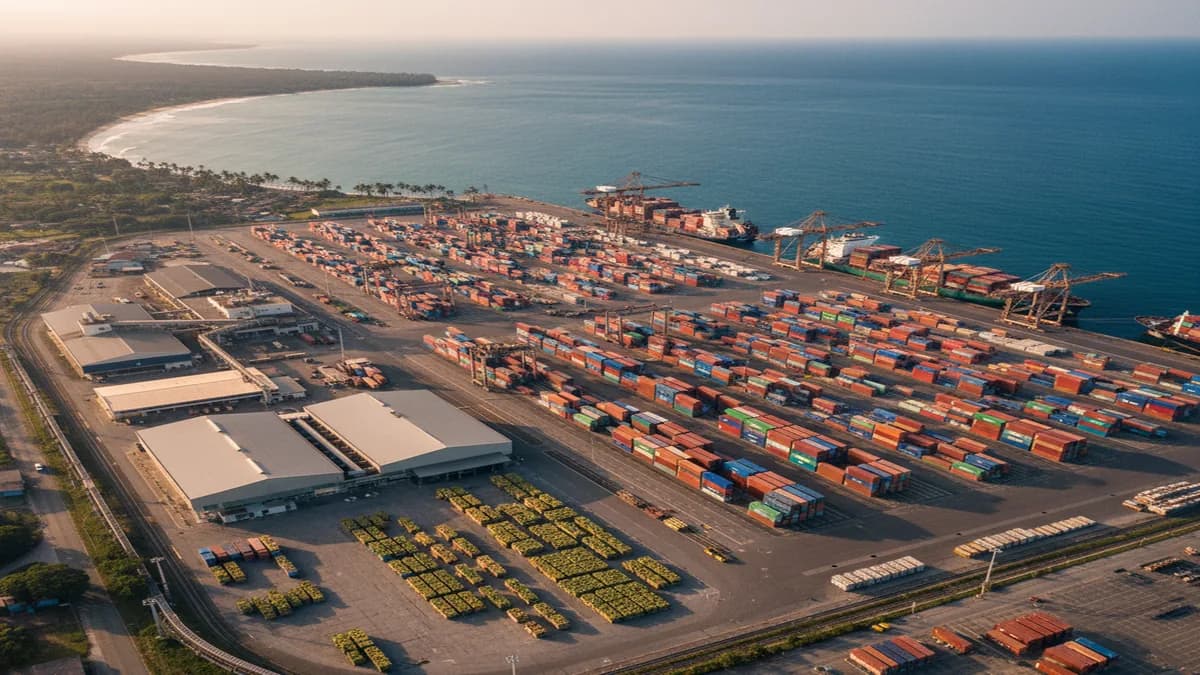
| Banana/plantain exports | Harvest-to-port logistics compress into daytime; packing plant overnight shifts suspended; vessel loading at Guayaquil and Bolívar port schedules may slip. |
| Shrimp/aquaculture | Harvest pond night cycles disrupted; cold-chain processing plants must reconfigure shift patterns. |
| Cacao and flowers | Post-harvest and pre-export processing windows tighten; airfreight from UIO for flowers may face pre-curfew clearance bottlenecks. |
| Manufacturing | Three-shift operations forced to two-shift during the 15-night window; lost capacity = ~30% of daily output if unable to compensate. |
| Logistics / trucking | Inter-provincial freight must clear curfew zones before 23:00 or hold outside until 05:00; inventory staging at warehouses increases working capital needs. |
| Ports | Guayaquil and Puerto Bolívar operations affected during curfew hours; container gates, vessel loading crews disrupted. |
| Retail / hospitality | Late-night restaurants, bars, entertainment venues closed during curfew in affected provinces. |
Fiscal / Economic Read
- 15 nights × 6 hours = 90 hours of restricted overnight operations in Ecuador's nine highest-production provinces.
- Export sectors alone likely see 2-5% monthly output compression during the window, depending on ability to shift to daylight production.
- Labor cost pressure rises as overnight shifts collapse into daytime overtime windows.
- Trucking counterparty risk on freight insurance and contract penalties increases.
What to Watch
- Executive decree text — the formal COIP-cited penalties, essential-worker definitions, and medical emergency carve-outs. Expect clarification in the week before May 3.
- Alternative sector pressure campaigns — the banana cluster will likely continue lobbying; watch for narrower concessions on agricultural cold-chain and port operations.
- Port operations clarifications — Autoridad Portuaria de Guayaquil and Puerto Bolívar administrators may seek or be granted operational carve-outs not captured in the headline "no exceptions."
- Currency-cycle impact — Ecuador is dollarized, so there's no exchange-rate transmission, but banking hours and ATM replenishment cycles in affected zones will tighten.
- Extension risk — the stated May 3-18 window is 15 nights. Prior Ecuadorian curfews have been extended. Model May 19-31 as a scenario.
Source: Primicias
Source
Primicias — “Toque de queda no tendrá excepciones, responde ministro Reimberg al pedido del sector productivo”
View originalcurfewReimbergbusiness operationsbanana exportslogisticssecurity
Regions: National, Pichincha, Guayas, Manabí, Santa Elena, Los Ríos, El Oro, Esmeraldas, Santo Domingo, Sucumbíos
Research Support
Support the EcuadorBrief archive.
Research support helps fund review, corrections, and hosting. New publishing is paused.