Ecuador's National Assembly Votes 117-20 to Legalize Carbon Markets, Ending 16-Year De Facto Ban and Opening a New Asset Class

117-20 Vote Ends 16-Year Ban
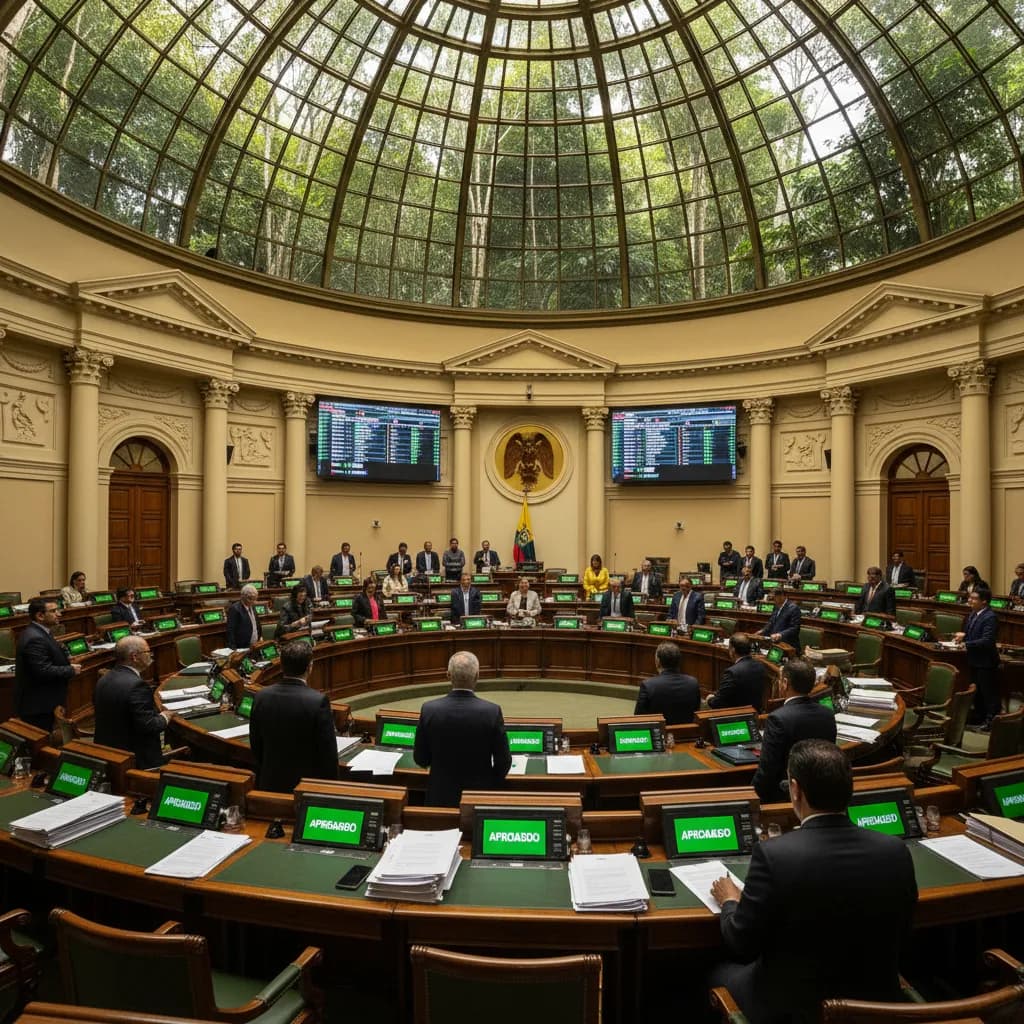
Ecuador's National Assembly voted 117-20 to legalize carbon markets, ending a 16-year de facto ban on carbon credit trading that stemmed from the 2008 constitutional reforms under former President Rafael Correa.
The legislation has been sent to President Daniel Noboa for final approval. Upon signing, it will create the legal framework for Ecuador's first regulated carbon credit exchange.
What the Legislation Enables
| Component | Detail | |---|---|---| | Voluntary carbon markets | Companies and individuals can buy/sell carbon credits | | Compliance markets | Framework for mandatory emissions reduction obligations | | Carbon exchange | Ecuadorian Carbon Exchange (BECX) established | | Ratings provider | BeZero Carbon (UK-based) named official rater | | Credit types | REDD+, renewable energy, afforestation, blue carbon | | Registry | National carbon credit registry for tracking and verification |
Why It Was Banned
Ecuador's 2008 constitution — written under President Rafael Correa's "Citizen Revolution" — embedded a rights-of-nature doctrine that was interpreted as incompatible with market-based environmental instruments. The provision, while pioneering in recognizing nature's legal rights, effectively prevented Ecuador from participating in the global carbon market for 16 years.
During this period, neighboring countries — particularly Colombia, Peru, and Chile — developed active carbon trading ecosystems, leaving Ecuador unable to monetize its vast forest carbon reserves.
Ecuador's Carbon Asset Potential
Ecuador possesses significant carbon credit generation potential across multiple categories:
| Carbon Source | Scale | Potential |
|---|---|---|
| Amazon rainforest (REDD+) | 12+ million hectares | Tens of millions of credits |
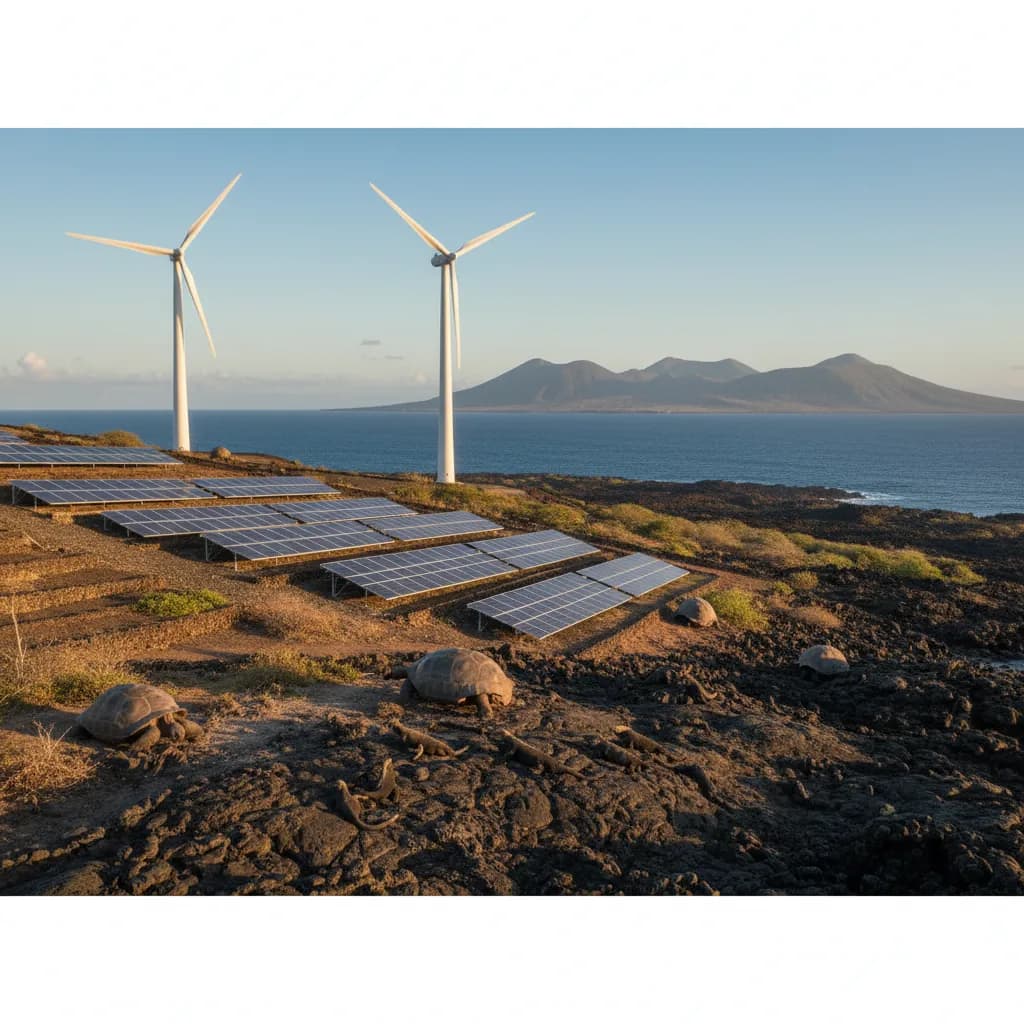
| Galapagos marine reserve | 138,000 km² | Blue carbon credits |
| Mangrove restoration | 160,000+ hectares of coast | High-value blue carbon |
| Renewable energy transition | 1,471 MW planned | Displacement credits |
| Sustainable agriculture | Cacao, banana agroforestry | Land-use credits |
The Amazon basin alone — covering approximately 47% of Ecuador's territory — represents one of the world's largest untapped carbon credit reserves. REDD+ (Reducing Emissions from Deforestation and Forest Degradation) projects in the Ecuadorian Amazon could generate millions of verified credits annually.
Climate Financing Needs
The World Bank estimates Ecuador faces $3.7 billion in annual climate financing needs through 2050 — a figure that far exceeds public budgets:
| Financing Gap | Value | |---|---|---| | Annual climate financing need | $3.7 billion | | Current public climate spending | ~$500 million | | Gap | ~$3.2 billion | | Carbon market potential (conservative) | $200-500 million annually |
Carbon markets alone will not close the gap, but they provide a market-based financing mechanism that can attract private capital without increasing public debt.
BeZero Carbon Partnership
BeZero Carbon — a UK-based carbon credit ratings agency — has been named the official ratings provider for the Ecuadorian Carbon Exchange (BECX):
| BeZero Carbon | Detail | |---|---|---| | Headquarters | London, UK | | Role | Rates carbon credits on a scale from AAA to D | | Coverage | 350+ projects globally | | BECX role | Official ratings provider for Ecuadorian credits |
The partnership with an international ratings agency signals Ecuador's intent to build a transparent, internationally credible carbon market rather than a loosely regulated domestic system.
Existing Climate Finance Architecture
The carbon market legislation adds to Ecuador's growing climate finance toolkit:
| Instrument | Value | Status |
|---|---|---|
| Galapagos debt-for-nature swap | $1.63 billion converted | Active (2023) |
| Amazon debt-for-nature swap | $1.53 billion refinanced | Financial close reached |
| Galapagos energy transition | $117.6 million (IDB) | Announced Feb 2026 |
| Carbon market legislation | Framework law | Awaiting presidential signature |
| Green bond framework | Under development | Pre-issuance |
International Context
| Country | Carbon Market Status | Exchange |
|---|---|---|
| Ecuador | Newly legalized | BECX (establishing) |
| Colombia | Active since 2016 | Colombian Carbon Exchange |
| Chile | Carbon tax + market | Santiago Climate Exchange |
| Brazil | Under development | Expected 2026-2027 |
| Mexico | Pilot since 2020 | Mexican Carbon Market |
Ecuador enters the market as a late entrant but with significant natural capital advantages — particularly its combination of Amazon rainforest, Galapagos marine reserves, and coastal mangroves.
What to Watch
Track presidential approval — Noboa's signature is expected but not guaranteed given the constitutional complexities. Monitor BECX operational launch — the exchange's first trading session will set initial pricing for Ecuadorian credits. Watch for REDD+ project registrations — early Amazon forest projects will signal international demand and pricing levels. Track the interaction with the Galapagos energy transition — carbon credits from the $117.6 million renewable investment could become the first high-profile issuance. Monitor indigenous community engagement — Amazon carbon projects require free, prior, and informed consent (FPIC) from communities, and CONAIE's position on carbon credits will be determinative.
Sources: Carbon Pulse, BeZero Carbon
Source
Carbon Pulse / BeZero Carbon — "Ecuadorian legislature votes to legalise carbon markets"
View originalSupport daily Ecuador business intelligence.
Research support funds source monitoring, data checks, editing, publishing, and sector coverage for professionals tracking Ecuador.