Ecuador-Singapore Memorandum Creates a Two-Year Trade and Digitalization Workstream

Ecuador's August 24 engagement with Singapore produced a two-year cooperation memorandum that combines trade, public-sector modernization, and sectoral cooperation. The framework is relevant to investors and operators because it links market access with logistics, technology, and state-capacity themes rather than treating them as separate agendas.
Scope of the memorandum
The document covers education, leadership and governance, digitalization, sustainability, public health, and trade and economy. It enters into force on August 24, 2026, and runs for two years. Those terms establish a work period, but they do not amount to a tariff change, a procurement award, or a private investment commitment.
The institutional signal is the breadth of the agenda. A trade channel can create export opportunities, while digitalization and governance cooperation can affect how projects are approved, monitored, or delivered. Sustainability and public health introduce additional implementation tracks that may attract development-finance or technical partners. For a business reader, that breadth is useful as a map of possible workstreams, not as proof that each workstream is funded or ready for procurement. The next round of public documents will determine which areas are active.
Digital government as an execution variable
President Daniel Noboa expressed interest in Singapore's GovTech approach, including the use of artificial intelligence and cybersecurity in public-sector modernization. For businesses, this matters less as a technology slogan than as a potential change in execution capacity.
The source does not identify a named Ecuadorian pilot, budget, procurement process, or delivery deadline. The diligence task is therefore to wait for the agency-level work plan: which institution owns the project, what data or infrastructure is required, and how progress will be measured.
Trade and logistics channel
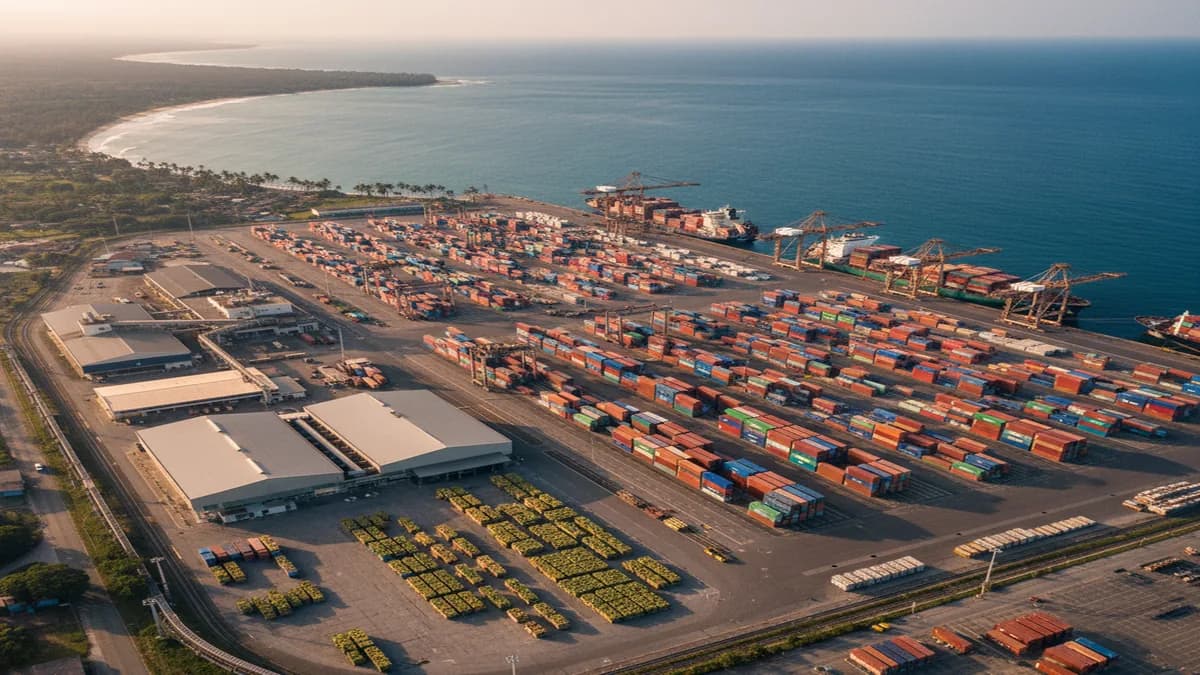
The visit's agenda included ports and logistics, renewable energy, agribusiness, cybersecurity, and new technologies. Ecuador also presented Singapore as a strategic partner and a potential gateway to other Asian markets. The foreign-ministry message was that Ecuador could export products to Singapore and use the country as an entry point to additional Asian markets.
That positioning could matter for exporters that need market diversification, but the memorandum alone does not establish volumes, buyers, customs treatment, or shipping schedules. The commercial opportunity should be treated as an origination signal until counterparties and milestones are named.
What to watch
- Named agencies and project owners for each of the six workstreams.
- Any funding, procurement, or technical-assistance instrument attached to digitalization or public health.
- Evidence that Singapore becomes an active gateway for Ecuadorian products rather than only a diplomatic reference.
- Milestones before the two-year term expires.
For the market, the memorandum is a broad option set. Its value will be determined by conversion into projects, contracts, export flows, or measurable public-service improvements.
Source: Primicias
Support the EcuadorBrief archive.
Research support helps fund review, corrections, and hosting. New publishing is paused.