Europol-Ecuador Operation Dismantles Los Lobos Trafficking Network -- 7+ Tonnes Seized, High-Value Target Captured

The Operation
Europol announced the dismantlement of a drug trafficking network linked to Ecuador's Los Lobos criminal organization, resulting in 16 arrests -- including a high-value target described as a senior logistics coordinator -- and the seizure of more than 7 tonnes of cocaine across three countries.
| Location | Cocaine Seized | Arrests | Cash Seized |
|---|---|---|---|
| Netherlands | 3.7 tonnes | Multiple | -- |
| Belgium | 3+ tonnes | Multiple | -- |
| Ecuador | 0.5+ tonnes | Multiple | -- |
| Total | 7+ tonnes | 16 | $810,000+ |
The operation was coordinated through Europol's headquarters in The Hague and involved the Dutch National Police, Belgian Federal Police, and Ecuador's Policia Nacional. The investigation reportedly lasted over 18 months.
Los Lobos Network Profile
Los Lobos is one of Ecuador's largest criminal organizations, with operations concentrated in Esmeraldas, Guayas, and El Oro provinces. The dismantled network operated:
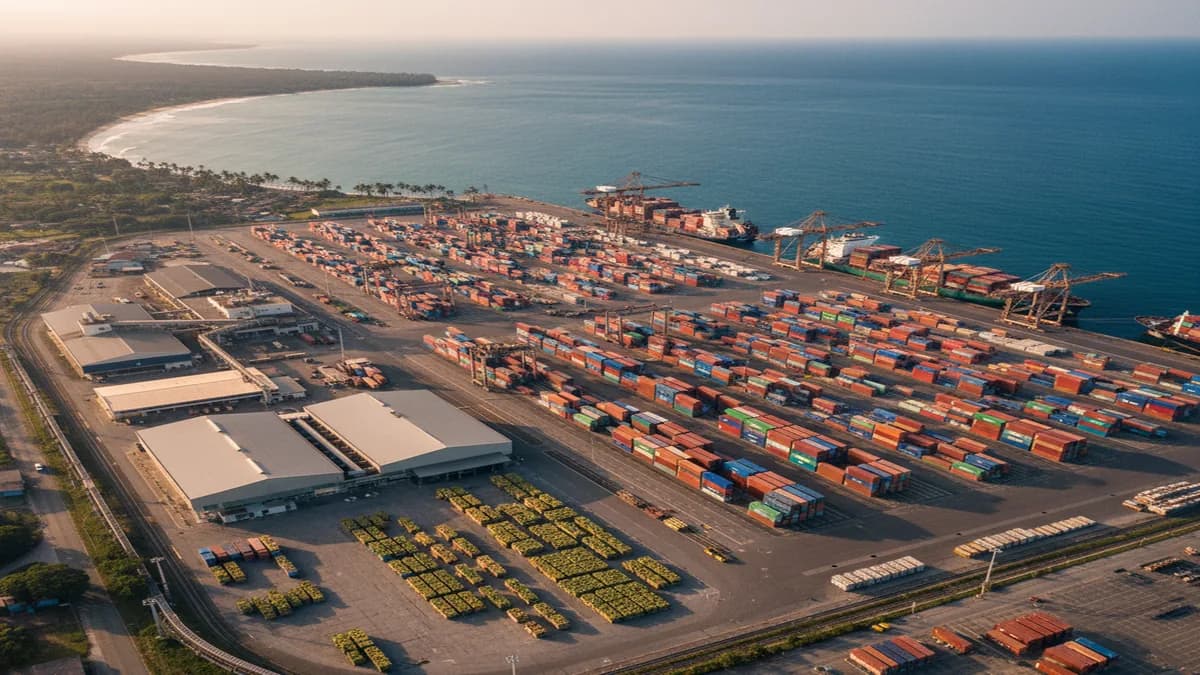
- Supply chain model: Cocaine sourced from Colombian and Peruvian producers, consolidated at Ecuadorian Pacific coast staging points, concealed in commercial banana and shrimp containers, shipped to Rotterdam and Antwerp
- Logistics sophistication: Own freight forwarding arrangements, port-side operatives facilitating container loading, European-side receivers managing distribution
- Financial infrastructure: Money laundering through legitimate businesses, cryptocurrency channels, and informal value transfer systems
European Cocaine Market Context
| Metric | Data Point |
|---|---|
| EU cocaine seizures (2025) | ~320 tonnes (record) |
| Ecuador-origin share | Estimated 25-35% of European supply |
| Primary transit ports | Rotterdam, Antwerp, Hamburg |
| Container concealment | Banana, shrimp, cocoa, flower shipments |
European cocaine consumption has been increasing steadily, with the EMCDDA reporting record availability across the EU. Ecuador's position between Colombia and Peru and its extensive Pacific port infrastructure make it a natural transit point.
Implications for Ecuador's Export Economy
The use of agricultural containers for cocaine concealment has direct commercial implications:
- Inspection delays at European ports for Ecuadorian shipments have increased, adding 1-3 days to delivery times
- Insurance premiums for Ecuadorian shippers have risen as underwriters price in seizure risk
- Reputational damage to Ecuador's agricultural brands, with some European importers diversifying sourcing
- Compliance costs have increased as European customs require enhanced documentation for Ecuador-origin cargo
The CNA and AEBE have both called for government investment in port security technology to reduce container contamination.
Law Enforcement Architecture
| Partnership | Scope | Status |
|---|---|---|
| FBI permanent office (Quito) | Drug trafficking, money laundering | Opened March 12, 2026 |
| Europol intelligence sharing | EU-bound trafficking networks | Ongoing |
| U.S. Southern Command | Military operations, drone surveillance | Active since March 2026 |
| DEA | Investigation coordination | Longstanding |
What to Watch
- Follow-on arrests -- major network takedowns typically produce intelligence leading to secondary operations within 3-6 months
- European port screening enhancement -- additional scanning technology could increase detection but also transit costs for legitimate cargo
- Los Lobos organizational recovery -- the group's ability to replace the dismantled cell will indicate whether the operation produced lasting disruption
- Impact on Ecuador-Europe agricultural trade flows -- measurable increases in inspection delays or contract diversion would signal commercial damage
- Banking sector compliance -- financial intelligence identifying Ecuadorian institutions as laundering conduits could trigger regulatory consequences
Source: Europol
Support the EcuadorBrief archive.
Research support helps fund review, corrections, and hosting. New publishing is paused.