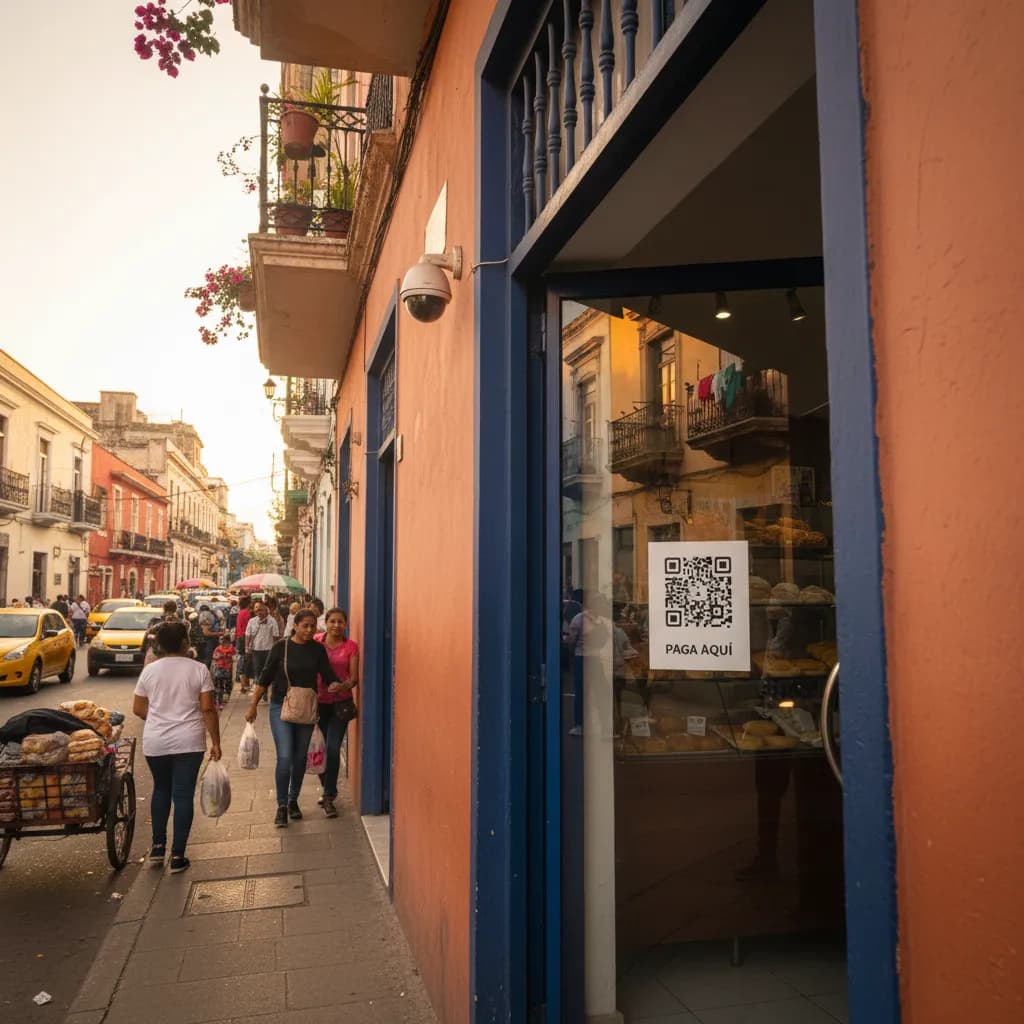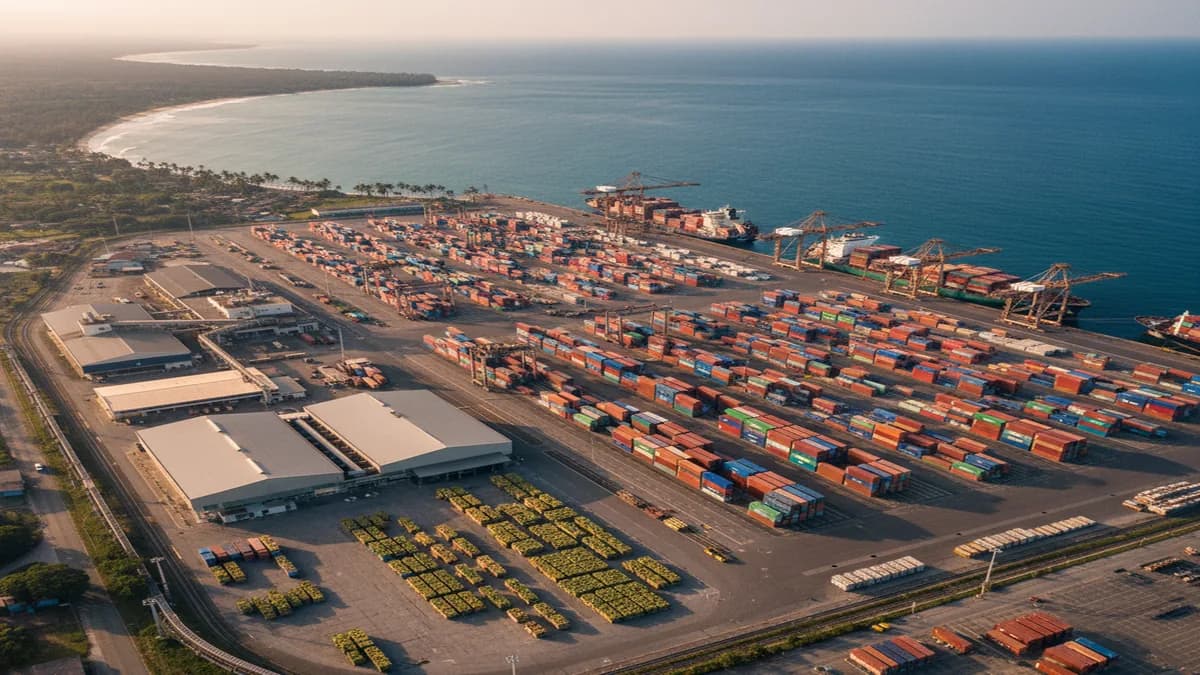
Ecuador's UAFE Launches Regional Anti-Money-Laundering Operation with Colombia and Peru; Quito, Guayaquil Airports, Huaquillas and Rumichaca Borders Targeted

Ecuador's Unidad de Análisis Financiero y Económico (UAFE) — the country's financial-intelligence and anti-money-laundering authority — launched what the agency described as the "primer operativo regional intensificado de control transfronterizo de 2026" (first regional intensified cross-border control operation of 2026), in coordination with counterpart agencies in Colombia and Peru. The operation is being executed "durante el primer semestre de 2026" (during the first half of 2026).
Operational Scope
| Element | Detail |
|---|---|
| Lead agency | UAFE (Unidad de Análisis Financiero y Económico) |
| Participating countries | Ecuador, Colombia, Peru |
| Targeted airports | Quito International, Guayaquil International |
| Targeted land borders | Huaquillas (Ecuador–Peru), Rumichaca (Ecuador–Colombia) |
| Timing | First semester 2026 |
Participating Ecuadorian Agencies
The domestic coordination architecture includes:
- Servicio Nacional de Aduana del Ecuador (SENAE) — National Customs Service
- Grupo Especial Contra el Lavado de Activos (GELA) — Special Anti-Money-Laundering Group
- Servicio de Rentas Internas (SRI) — Internal Revenue Service
- Specialized units of Policía Nacional
Predicate Crimes Targeted
UAFE characterized the operation as targeting "lavado de activos" and "traslado ilegal de dinero en efectivo" with established links to:
- Narcotráfico (drug trafficking)
- Contrabando (contraband — including the fuel smuggling at the heart of the parallel Caso Goleada prosecution)
- Minería ilegal (illegal mining — significant in northern provinces)
- Corrupción (public corruption)
- "Economías criminales transnacionales" (transnational criminal economies)
Why This Matters for Business and Investment
- Compliance pressure on financial institutions: Operations of this scale typically generate downstream reporting requirements for banks, money-service businesses, and high-cash-volume retailers (gold dealers, currency exchanges).
- Border friction: Importers and exporters routing through Huaquillas and Rumichaca should anticipate elevated inspection times and documentation requests during the first-semester window.
- Airport cash-declaration enforcement: Travelers carrying cash above SENAE's declaration threshold ($10,000) should expect more rigorous secondary inspection. Foreign investors traveling with closing funds, real estate purchase cash, or business operating capital should ensure full documentation and pre-clearance.
- Andean Community precedent: A tri-national framework involving Ecuador, Colombia, and Peru on financial crime is institutionally significant — three of four CAN member states coordinating on AML enforcement is a meaningful regional alignment.
Connection to the Caso Goleada Investigation
The AML push runs in parallel with the high-profile Caso Goleada prosecution, which alleges money laundering tied to illegal fuel commercialization at the northern border. The investigation deadline in that case is June 11, 2026, falling within the UAFE operation's first-semester window. Expect the two efforts to share informational and evidentiary linkages.
What to Watch
- Seizure and arrest data: The article does not yet report specific operational results. UAFE typically publishes summary statistics at quarterly intervals — first numbers should land by July 2026.
- Banking sector reporting deltas: SAR (Suspicious Activity Report) filing volumes from major Ecuadorian banks during the operational window
- Border throughput: Whether commercial customs clearance times at Huaquillas and Rumichaca extend materially during the operation
- Any indictments or asset seizures announced jointly with Colombian or Peruvian authorities — a hallmark of effective regional AML cooperation
Source: El Telégrafo
Source
El Telégrafo — “Ecuador activa operativo regional contra lavado de activos en fronteras y aeropuertos”
View originalSupport the EcuadorBrief archive.
Research support helps fund review, corrections, and hosting. New publishing is paused.