CAF Launches Economic Forum 2026 in Quito and Signs $450,000 Technical Cooperation Agreement to Design Ecuador's National Competitiveness Policy

CAF Launches Economic Forum 2026 in Quito, Signs Competitiveness Cooperation Agreement
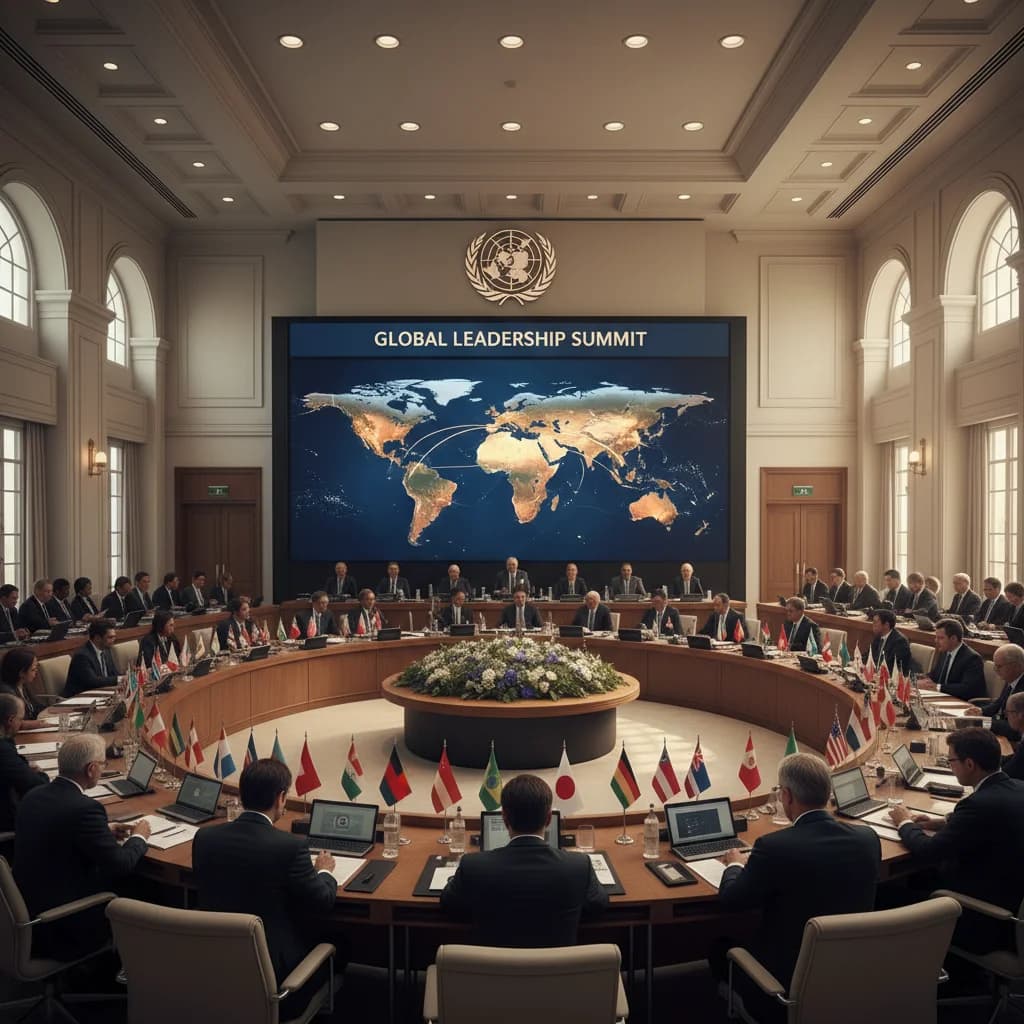
CAF -- Development Bank of Latin America and the Caribbean -- held a high-level event in Quito to formalise the launching in Ecuador of the II International Economic Forum and the Latin America and the Caribbean 2026 Business Roundtable, alongside the signing of a $450,000 non-reimbursable technical cooperation agreement aimed at designing a comprehensive national competitiveness policy.
The agreement, titled "Towards a New Competitiveness Policy for Ecuador," was signed by CAF Executive President Sergio Diaz-Granados and Ecuador's Minister of Production, Foreign Trade and Investment. The cooperation is structured as a non-reimbursable grant -- meaning Ecuador does not repay the funds -- reflecting CAF's institutional mandate to support structural economic reforms in member countries.
Scope of the competitiveness initiative
The $450,000 cooperation will fund a 12-month technical programme to:
- Diagnose Ecuador's current competitiveness position across key sectors, including manufacturing, agriculture, technology services, and logistics
- Benchmark against regional peers (Colombia, Peru, Chile, Costa Rica) to identify specific areas of underperformance
- Design a national competitiveness strategy with measurable targets and implementation roadmap through 2030
- Identify regulatory, infrastructure, and human capital bottlenecks that suppress productivity growth
The initiative comes as Ecuador faces a structural competitiveness challenge. According to the World Economic Forum's Global Competitiveness Index, Ecuador ranked approximately 90th out of 141 countries in its most recent assessment -- trailing regional peers Chile (33rd), Colombia (57th), and Peru (65th).
Why competitiveness matters now
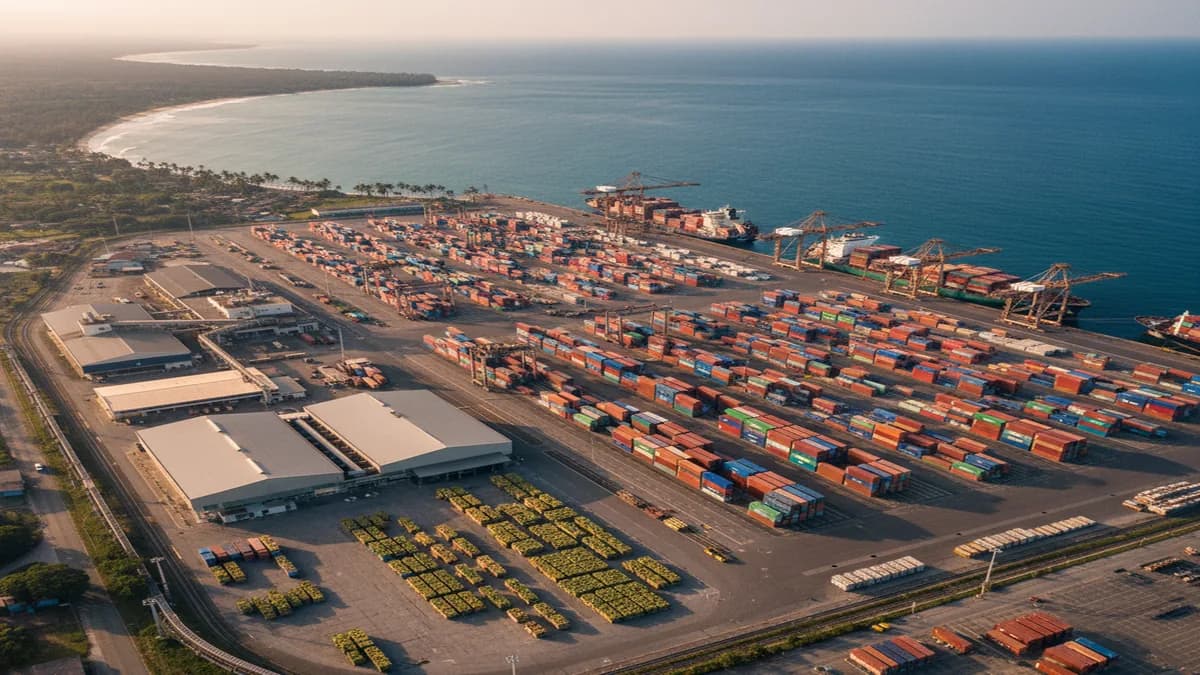
Ecuador's economy remains heavily concentrated in primary commodity exports:
| Export | 2024 Value | Share of Total |
|---|---|---|
| Crude oil | ~$8.2B | 29% |
| Shrimp | ~$7.0B | 25% |
| Bananas | ~$3.7B | 13% |
| Cacao | ~$3.4B | 12% |
| Other | ~$5.7B | 21% |
| Total | ~$28.0B | 100% |
Approximately 79% of export revenue derives from four commodity categories, leaving the economy vulnerable to price shocks, climate events, and trade policy shifts -- all of which have materialised in 2025-2026 (US tariffs on shrimp, Colombia trade war, oil production declines).
The competitiveness policy aims to expand the "other" category -- which includes manufactured goods, processed foods, technology services, and tourism -- from 21% to a target of 30-35% of exports by 2030.
CAF's broader Ecuador engagement
The competitiveness cooperation is part of CAF's expanded engagement with Ecuador under the Noboa administration:
- 2025-2026 lending programme: Approximately $1.2 billion in approved or pipeline loans for infrastructure, energy, and social programmes
- II International Economic Forum: The Quito launch positions Ecuador as a key participant in CAF's flagship regional business event, which convenes heads of state, finance ministers, and private sector leaders from across Latin America
- Business Roundtable: The 2026 edition will feature matchmaking sessions between Ecuadorian enterprises and international investors, with focus sectors including agri-tech, fintech, sustainable aquaculture, and mining services
CAF has been the most active multilateral lender to Ecuador over the past three years, surpassing the Inter-American Development Bank and World Bank in total disbursements. The institution's headquarters relocation from Caracas to Panama City in 2024 has been accompanied by an expanded Latin American lending mandate.
Productivity gap analysis
Preliminary data from CAF's own research division highlights several structural productivity constraints in Ecuador:
- Labour productivity: Ecuador's output per worker is approximately $22,400 annually (PPP-adjusted), compared to $32,600 in Colombia and $48,200 in Chile
- Logistics costs: Freight and logistics account for an estimated 14-18% of GDP, versus 8-12% in Chile and Mexico
- Digital adoption: Only 38% of Ecuadorian SMEs have an online presence, compared to 65% in Colombia and 72% in Chile
- R&D spending: Ecuador invests approximately 0.4% of GDP in research and development, below the Latin American average of 0.7%
What to watch
The competitiveness policy design phase runs through Q1 2027, with an interim diagnostic report expected by Q3 2026. Monitor whether the Ministry of Production incorporates the resulting recommendations into binding policy instruments or if the initiative remains advisory. The II International Economic Forum dates and Ecuador-specific programming will signal the scope of international business engagement the government seeks to catalyse. CAF's lending pipeline for Ecuador in 2026-2027 -- particularly any concessional financing tied to competitiveness reforms -- will be an indicator of institutional follow-through.
Sources: CAF, BNamericas
Source
CAF / BNamericas — “Ecuador joins the International Economic Forum 2026 and signs technical cooperation agreement with CAF”
View originalSupport the EcuadorBrief archive.
Research support helps fund review, corrections, and hosting. New publishing is paused.