Colombia Cuts Electricity Exports to Ecuador as Tariff Dispute Strains Andean Energy Integration — Dry Season Grid Stability at Risk

Energy Weaponization
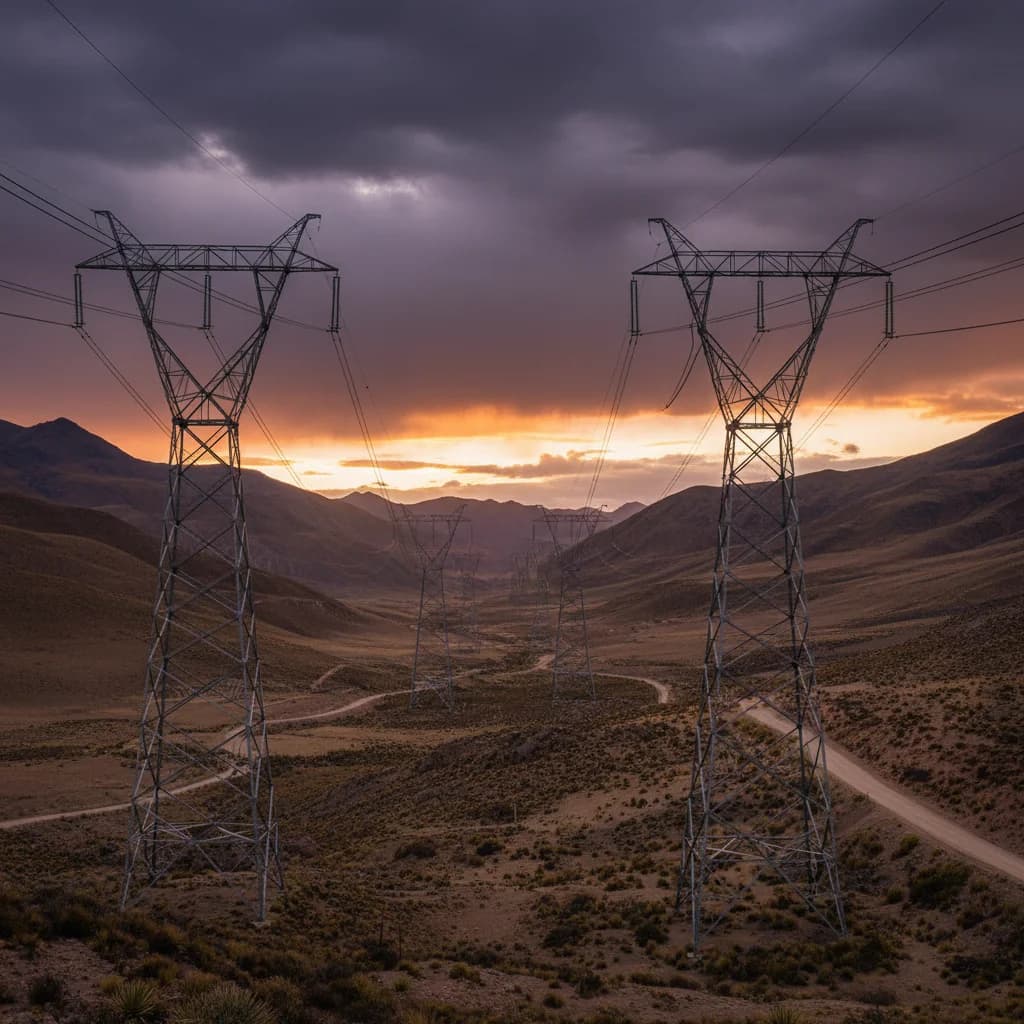
Colombia has suspended electricity exports to Ecuador as part of the escalating bilateral dispute triggered by Ecuador's 30% security tariff on Colombian imports. The suspension adds energy supply to the growing list of retaliatory measures, alongside Colombia's reciprocal 30% trade tariffs and the 900% increase in OCP pipeline transit fees.
The move transforms the trade dispute into a multi-front economic conflict affecting commerce, energy, and logistics simultaneously.
The Energy Dependency
Ecuador's electricity system relies heavily on hydroelectric generation, which is vulnerable to seasonal rainfall patterns:
| Power Source | Share of Generation | Installed Capacity | Seasonal Vulnerability |
|---|---|---|---|
| Hydroelectric | 75% | 5,100 MW | High — drops 20-30% in dry season |
| Thermal (gas/diesel) | 18% | 2,800 MW | Low — dispatchable year-round |
| Solar/wind | 2% | 200 MW | Low — complementary |
| Cross-border imports | 5% | ~500 MW interconnection | High — now suspended |
| Total | 100% | ~8,600 MW |
Colombia's electricity exports to Ecuador have historically provided a critical buffer during the March-September dry season, when reduced rainfall in the Andean highlands diminishes flow to Ecuador's major hydroelectric dams including Paute-Molino (1,100 MW), Coca Codo Sinclair (1,500 MW), and Sopladora (487 MW).
Scale of the Energy Gap
| Import Metric | 2024 | 2025 | 2026 (Risk) |
|---|---|---|---|
| Electricity imported from Colombia | 620 GWh | ~700 GWh | 0 GWh (suspended) |
| Average import capacity | 350 MW | 400 MW | 0 MW |
| Peak import capacity | 500 MW | 500 MW | 0 MW |
| Share of total consumption | 2.5% | 2.8% | 0% |
| Cost of imported electricity | $65/MWh | $70/MWh | N/A |
| Cost of thermal replacement | $120-180/MWh | $120-180/MWh | $120-180/MWh |
Replacing Colombian imports with domestic thermal generation costs approximately $120-180/MWh — nearly double the $65-70/MWh cost of cross-border purchases. The annual fiscal impact of substituting 700 GWh at the price differential is approximately $35-77 million.
The 2024 Blackout Precedent
The energy cut carries heightened significance because Ecuador experienced a devastating blackout crisis in late 2024:
| 2024 Blackout Metric | Value |
|---|---|
| Duration | October-December 2024 |
| Daily blackout hours | 8-14 hours at peak |
| Economic cost | $2.5-3 billion (estimated) |
| Cause | Drought + insufficient thermal backup |
| Political impact | Damaged Noboa approval ratings |
| Response | Emergency thermal procurement, barge-mounted generators |
The government has since invested in emergency thermal capacity and signed contracts for barge-mounted power plants, but these measures were designed to supplement — not replace — cross-border imports.
Government Response: Expanding Thermal and Solar
The Ministry of Energy has outlined several measures to compensate for the loss of Colombian electricity:
| Measure | Capacity | Timeline | Status |
|---|---|---|---|
| Termogas Machala expansion | 430 MW | Operational Q2 2026 | Under construction |
| Emergency barge generators | 300 MW | Already operational | Active |
| Zapotillo solar mega-project | 1,500 MW | Tender 2026, operational 2028 | Planning |
| Santa Elena solar project | 200 MW | Tender 2026, operational 2027 | Planning |
| Gas combined-cycle plant | 400 MW | Tender 2026, operational 2028 | Planning |
| Diesel from ADNOC (UAE) | Fuel supply | Active | Operational |
The Termogas Machala expansion — adding 430 MW of natural gas-fired generation — is the most immediate solution, expected to reach full capacity in Q2 2026 and partially offset the Colombian import loss.
Escalation Timeline
| Date | Action | Actor | Front |
|---|---|---|---|
| January 2026 | 30% security tariff on Colombian imports | Ecuador | Trade |
| January 2026 | Legal complaint filed at CAN | Colombia | Legal |
| February 2026 | 30% reciprocal tariff on 20 Ecuadorian products | Colombia | Trade |
| February 2026 | 900% OCP pipeline transit fee increase | Colombia | Energy/Oil |
| February 2026 | Electricity export suspension | Colombia | Energy |
| February 21 | 3 counter-complaints filed at CAN | Ecuador | Legal |
| February 23 | 580 companies, $273M at risk reported | Fedexpor/UPI | Economic impact |
Regional Implications
The Colombia-Ecuador energy disconnection threatens the broader Andean energy integration framework:
| Interconnection | Countries | Capacity | Status |
|---|---|---|---|
| Colombia-Ecuador | CO→EC | 500 MW | Suspended |
| Colombia-Venezuela | CO↔VE | 336 MW | Inactive since 2019 |
| Ecuador-Peru | EC↔PE | 100 MW | Limited operation |
| SINEA (Andean grid) | All CAN members | Variable | Aspirational |
The suspension sets a dangerous precedent for using energy infrastructure as a geopolitical weapon within the Andean Community, potentially discouraging future cross-border energy investment.
What to Watch
Track Ecuador's daily thermal generation dispatch data from CENACE — rising thermal dispatch signals the system is compensating for lost Colombian imports. Monitor reservoir levels at Paute and Coca Codo Sinclair — the March-September dry season will test whether reserves are sufficient without the Colombian buffer. Watch Termogas Machala construction timeline — any delays in the 430 MW expansion would significantly increase blackout risk. Track diesel import volumes — increased diesel purchases for thermal generation will appear in trade data within weeks. Monitor bilateral diplomatic channels — energy suspension may prove to be the escalation that forces both sides to negotiate.
Sources: Americas Quarterly, Strategic Energy EU, El Universo
Source
Americas Quarterly / Strategic Energy EU / El Universo — “Colombia Cuts Power Exports to Ecuador as Tariff Dispute Strains Andean Energy Integration”
View originalSupport the EcuadorBrief archive.
Research support helps fund review, corrections, and hosting. New publishing is paused.