Colombia's Indefinite Electricity Suspension Costs Ecuador an Estimated $2M Per Day in Replacement Energy

Colombia's Indefinite Electricity Suspension Costs Ecuador an Estimated $2M Per Day in Replacement Energy
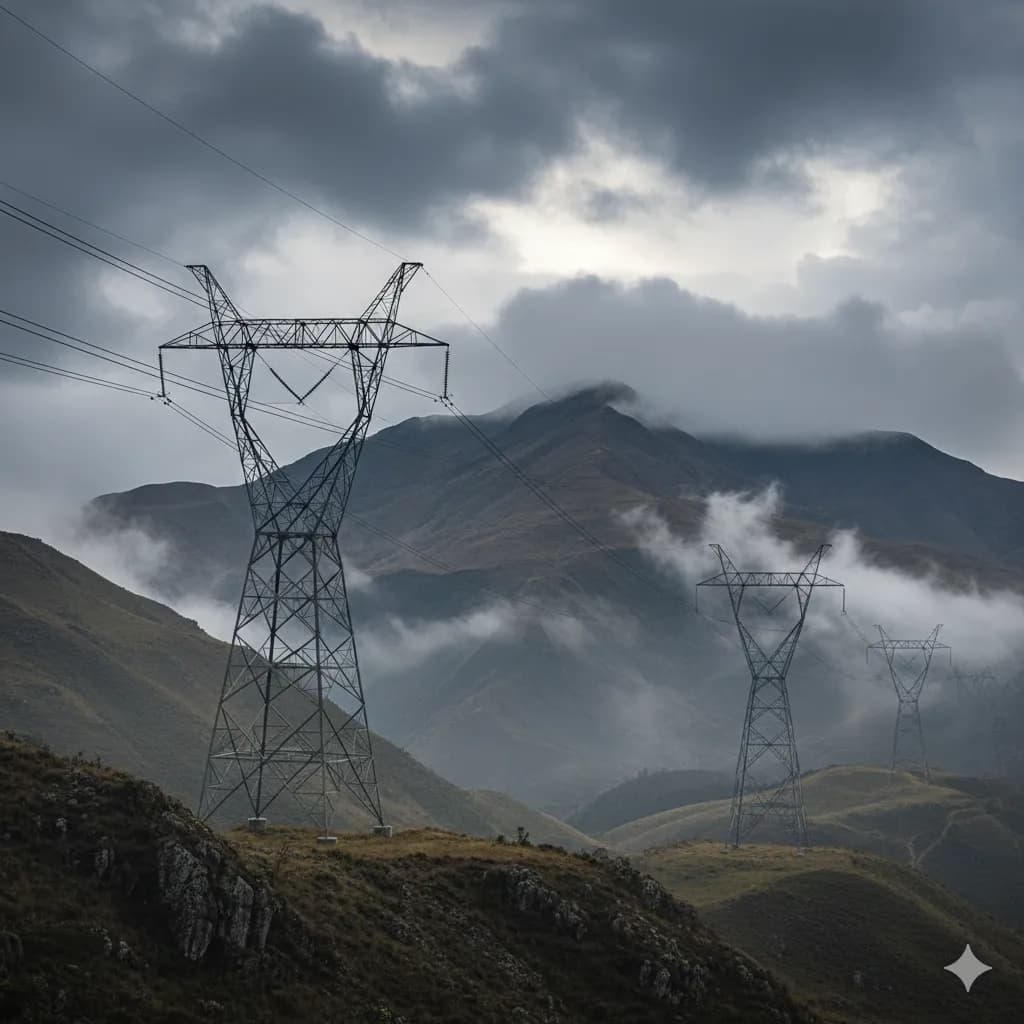
Colombia's Ministry of Mines and Energy confirmed on February 1 that it has indefinitely suspended all electricity exports to Ecuador, severing a cross-border power interconnection that has been a critical component of Ecuador's energy matrix for over a decade. The suspension is effective immediately and has no stated end date.
The decision, announced by Colombian Energy Minister Andres Camacho, was framed as a "preventive measure to safeguard Colombia's energy sovereignty" amid declining reservoir levels at key hydroelectric facilities and rising domestic demand. However, Ecuadorian officials and regional analysts view the move as the latest escalation in the rapidly deteriorating bilateral relationship between the two Andean neighbours.
Financial impact on Ecuador
Ecuador's Ministry of Environment and Energy estimates that replacing Colombian electricity imports will cost the country approximately $2 million per day -- or roughly $60 million per month -- based on the differential between the contracted cross-border rate and the cost of activating domestic thermal generation capacity.
The interconnection had been supplying approximately 400-500 megawatts to Ecuador's northern grid during peak demand periods, representing roughly 8-10% of the country's total electricity consumption. The replacement energy mix includes:
- Thermal generation: Reactivation of diesel and natural gas plants in Esmeraldas and Guayas, at a marginal cost approximately 3x higher than the Colombian import rate
- Spot purchases: Ecuador is exploring emergency supply arrangements with Peru's grid, though interconnection capacity on the southern border is limited to approximately 100 MW
- Demand management: The government has not yet announced load-shedding measures but has instructed large industrial consumers to activate contingency plans
Part of a broader escalation
The electricity suspension does not exist in isolation. It is one of several simultaneous pressure points in the Ecuador-Colombia relationship:
- Reciprocal 30% tariffs on bilateral goods trade, effective February 1
- Ecuador's 900% increase in SOTE pipeline tariffs for Colombian crude (see related article)
- Ongoing diplomatic tensions over border security and migration policy
- Colombia's suspension of consular cooperation on deportation processing
"This is economic warfare by any reasonable definition," said Maria Cristina Velez, a political risk analyst at Control Risks in Bogota. "Both sides are weaponising their economic interdependencies."
Ecuador's vulnerability
The timing is particularly challenging for Ecuador, which has already endured rolling blackouts in late 2024 and early 2025 due to drought-reduced output at the Paute-Mazar and Coca Codo Sinclair hydroelectric complexes. While reservoir levels have partially recovered with the onset of the rainy season, the loss of Colombian imports eliminates a critical buffer.
Ecuador's total installed generation capacity is approximately 8,800 MW, of which roughly 60% is hydroelectric. The country's electricity demand peaks at around 5,200 MW during evening hours.
A high-level bilateral meeting scheduled for February 6 in Quito is expected to address the energy suspension alongside the broader trade dispute, though diplomatic sources on both sides have tempered expectations for immediate resolution.
Source
ABC News / AP — “Colombia imposes tariffs, halts energy sales to Ecuador in trade dispute”
View originalSupport the EcuadorBrief archive.
Research support helps fund review, corrections, and hosting. New publishing is paused.