Cacao Prices Retreat to $4,500/Ton but Ecuador Export Volumes Set to Surpass 600,000 Tons

Cacao Prices Retreat to $4,500/Ton but Ecuador Export Volumes Set to Surpass 600,000 Tons
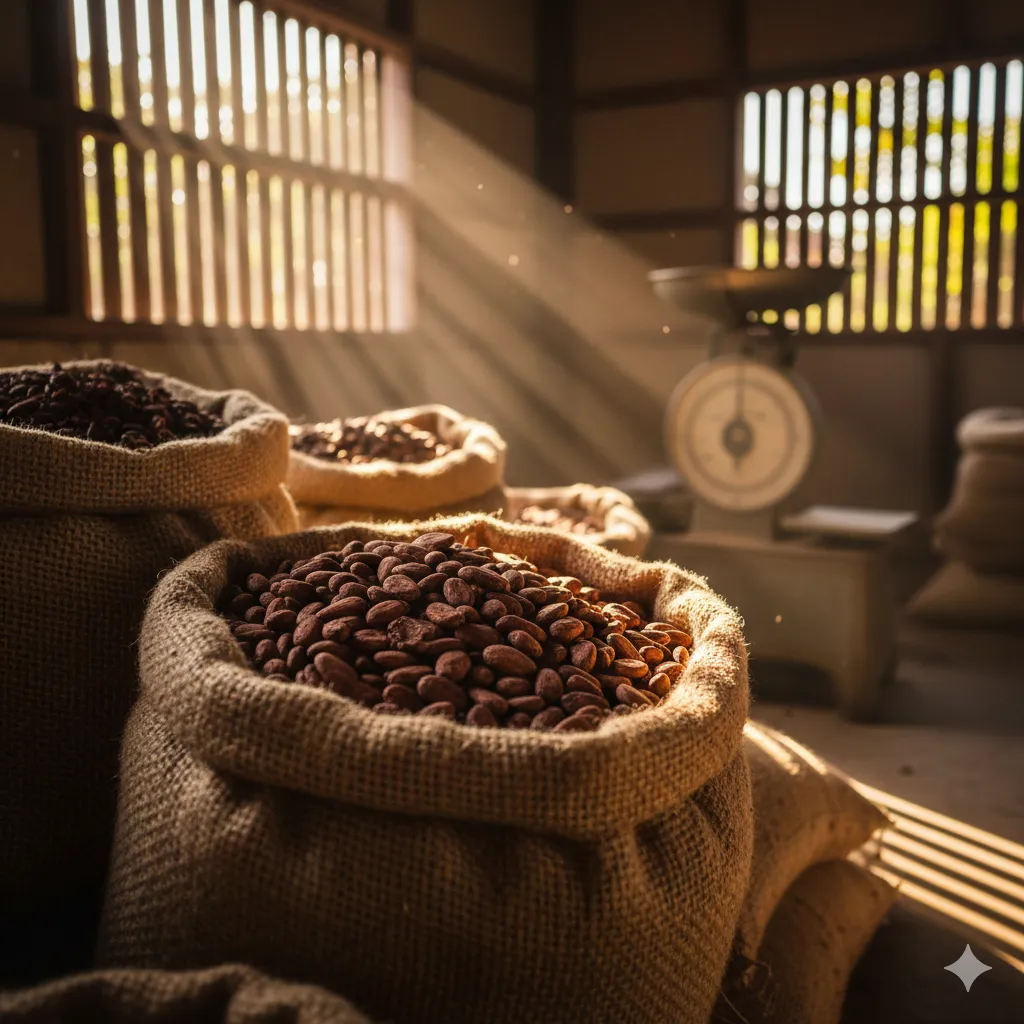
The global cacao market has undergone a dramatic correction, with benchmark prices falling to approximately $4,500 per metric ton -- a 64% decline from the record peak of $12,483/ton reached in December 2024 on the ICE New York exchange. For Ecuador, the world's third-largest cacao producer and leading supplier of fine-aroma beans, the price retreat is reshaping the sector's economics but not dampening its growth trajectory.
Price Dynamics
The 2024 price spike was driven by severe supply disruptions in West Africa, where Cote d'Ivoire and Ghana -- which together account for roughly 60% of global production -- suffered from a combination of black pod disease, swollen shoot virus, and adverse weather linked to El Nino. As African supply has partially recovered and speculative positions have unwound, prices have returned to levels more consistent with long-term fundamentals.
| Period | ICE Cacao Price ($/ton) |
|---|---|
| Dec 2024 (peak) | $12,483 |
| June 2025 | $8,200 |
| Oct 2025 | $6,100 |
| Jan 2026 | $4,500 |
| 5-year average | $3,200 |
Despite the decline, current prices remain 40% above the five-year average, which continues to provide favourable margins for Ecuadorian producers relative to historical norms.
Ecuador's Volume Play
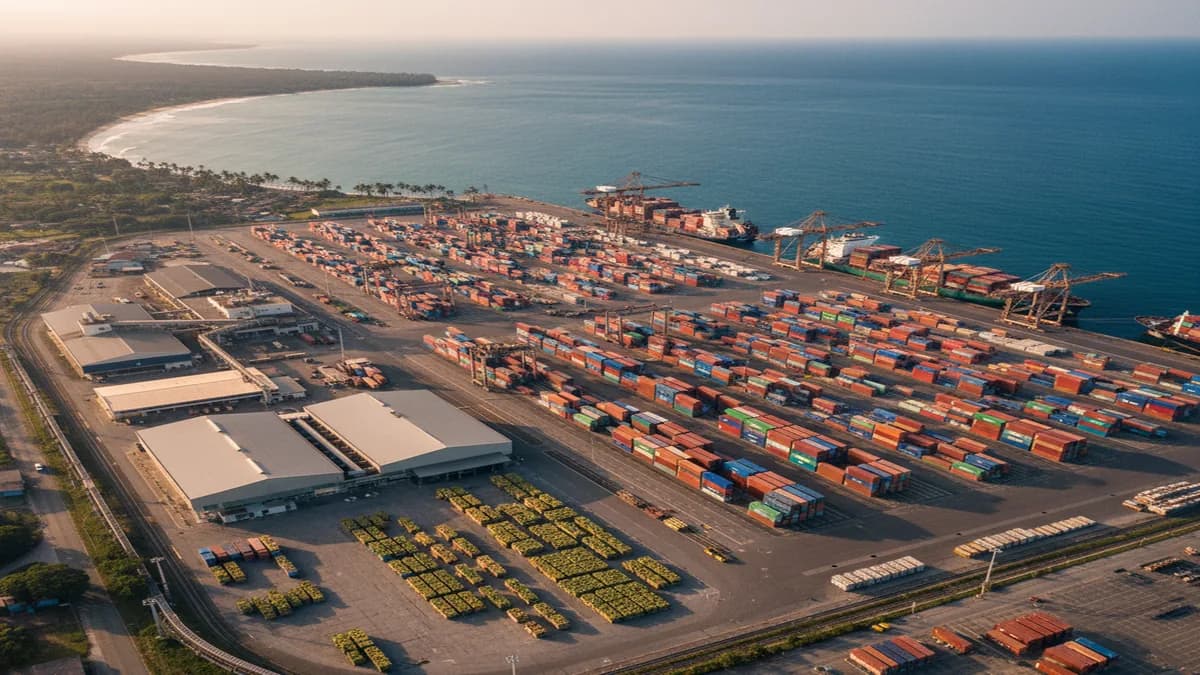
According to the Asociacion Nacional de Exportadores de Cacao (Anecacao), Ecuador's export volumes are projected to exceed 600,000 metric tons in 2026, up from approximately 430,000 tons in 2025. The volume increase reflects:
- Expanded planted area: An additional 45,000 hectares entered production in 2025, primarily in Los Rios and Manabi provinces
- Improved yields: Government-backed technical assistance programmes have raised average productivity to 0.65 tons/hectare from 0.52 tons/hectare three years ago
- CCN-51 expansion: The high-yielding CCN-51 clone now accounts for approximately 38% of Ecuador's cacao output, up from 28% in 2022
Farm-Level Economics
Ecuadorian cacao farmers currently receive between $180 and $190 per quintal (100 lbs) at the farm gate -- down from the extraordinary $350-400/quintal seen during the peak, but still well above the $120-140 range that prevailed before the 2024 rally.
"The correction was inevitable, but the industry is in a much healthier position than it was five years ago," said an Anecacao spokesperson. "At $180/quintal, producers with modern agronomic practices are generating viable margins. The challenge is for smallholders with older plantations and lower yields."
Revenue Outlook
The sector is expected to generate over $1 billion in additional revenue in 2026 compared to pre-boom years, driven by the combination of above-historical prices and record volumes. Ecuador's fine-aroma Nacional variety continues to command a premium of 15-20% over bulk cacao from competitors, providing a structural pricing advantage.
The Ministry of Agriculture has allocated $52 million for cacao sector programmes in 2026, focused on post-harvest infrastructure, quality certification, and smallholder financing through BanEcuador.
Source
Expreso — “El cacao se desinfla pero la exportacion ecuatoriana crece: que viene en 2026”
View originalSupport the EcuadorBrief archive.
Research support helps fund review, corrections, and hosting. New publishing is paused.