Ecuador Deploys Emergency Relief to Galápagos Amid Heavy Flooding

Ecuadorian authorities have mobilized logistics and emergency humanitarian aid to Santa Cruz Island, the most populated island in the Galápagos archipelago, following severe flooding. The Emergency Operations Committee (COE) declared a state of emergency on the island after heavy rainfall flooded multiple neighborhoods, particularly in higher-elevation areas where water levels surpassed hip height in some locations.
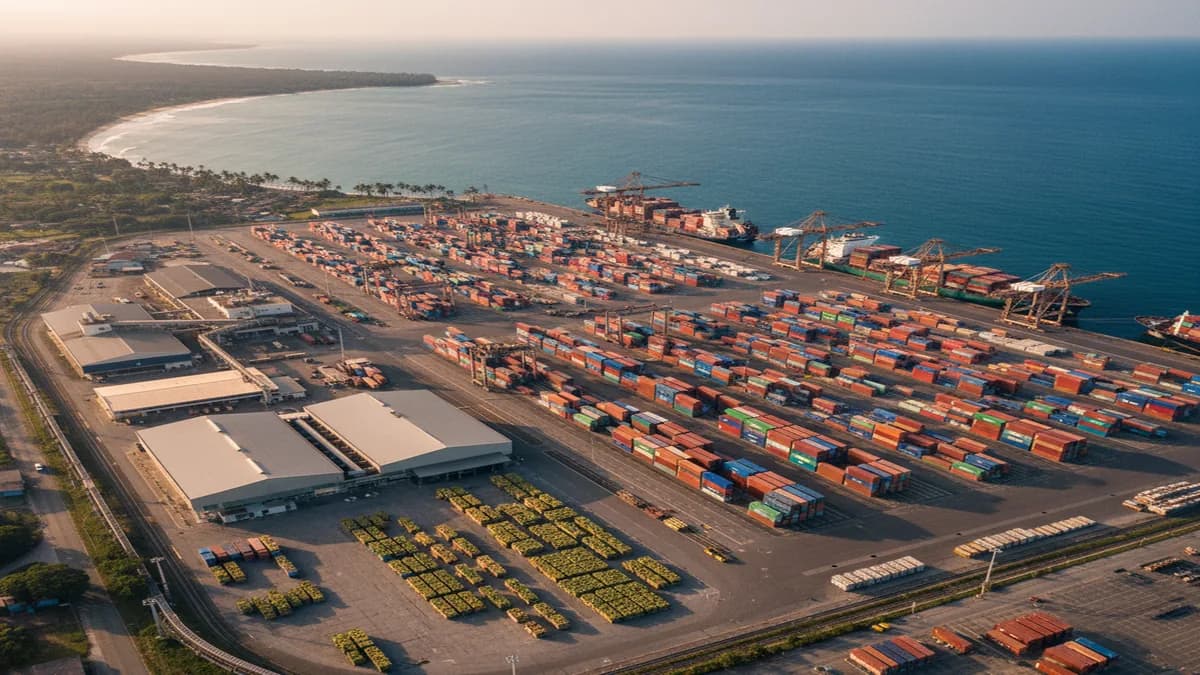
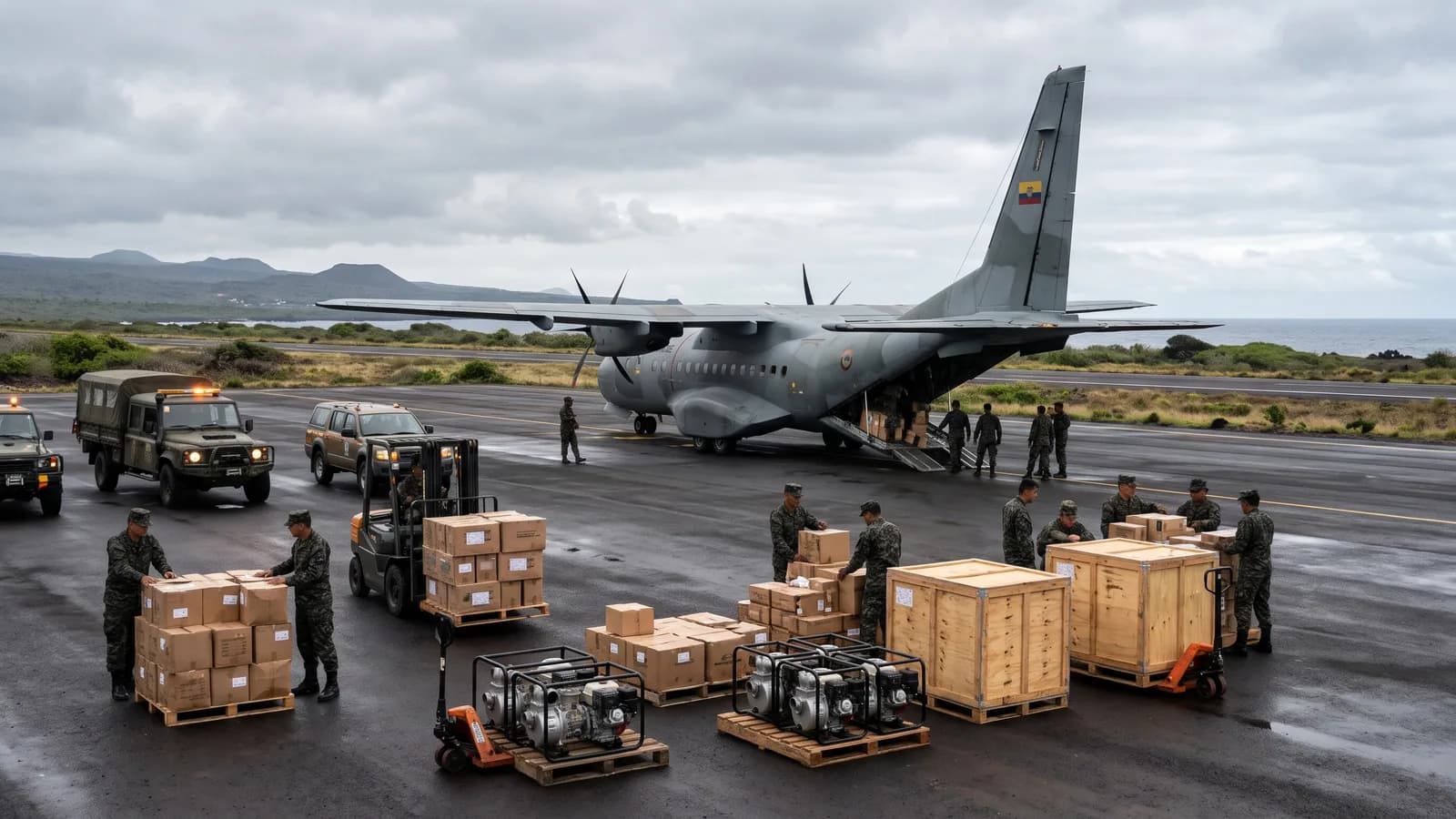
To manage the crisis, the central government activated an air bridge from Guayaquil. Over ten tons of humanitarian aid arrived at Baltra Airport late on October 31, 2026. Naval personnel subsequently loaded supplies onto the coast guard vessel Isla San Cristóbal for transport to Santa Cruz. On November 1, 2026, a second Ecuadorian Air Force (FAE) C-130 Hercules flight transported an additional 7.6 tons of supplies, including water kits, food, clothing, medicine, mattresses, and water suction pumps.
The municipal health infrastructure suffered significant damage. The Santa Cruz Health Center reported a preliminary 90% impact on its facilities, equipment, and medical supplies. In response, emergency deployments dispatched thousands of medicine units alongside donations to sustain medical operations.
Beyond Galápagos, intense rainfall linked to the El Niño phenomenon triggered localized emergencies across several provinces between October 31 and November 1, 2026, including El Oro, Los Ríos, Santa Elena, Santo Domingo de los Tsáchilas, Bolívar, Manabí, and Tungurahua. The national COE ordered the mobilization of humanitarian aid, health brigades, and heavy machinery to clear debris and maintain connectivity across impacted road corridors.
What to watch
- Operational status and structural assessment updates regarding the Santa Cruz Health Center following reported 90% facility damage.
- Execution of further FAE air bridge flights and naval transfer operations delivering suction pumps and emergency cargo from Baltra to Santa Cruz.
- Additional emergency declarations or weather advisories from national meteorology services through early November 2026 across affected coastal and highland provinces.
Sources: eluniverso.com; eluniverso.com; primicias.ec.
Image: AI-generated editorial illustration; not a documentary depiction of the events reported.
Report an article problem
Tell us what seems incorrect or outdated. Email is optional.
For business readers
Need a focused answer to an Ecuador business question?
Request a separately scoped 30-minute research consult with a written summary. A request does not update or verify this archived article. This is business research context, not legal, tax, or investment advice.
Request a research consultSupport the EcuadorBrief archive.
Research support helps fund source monitoring, corrections, and hosting.