Ecuador-Colombia Quito Summit Ends Without Agreement as Reciprocal 30% Tariffs Remain; Colombia Files CAN Complaint

Ecuador-Colombia Quito Summit Ends Without Agreement as Tariff Deadlock Hardens
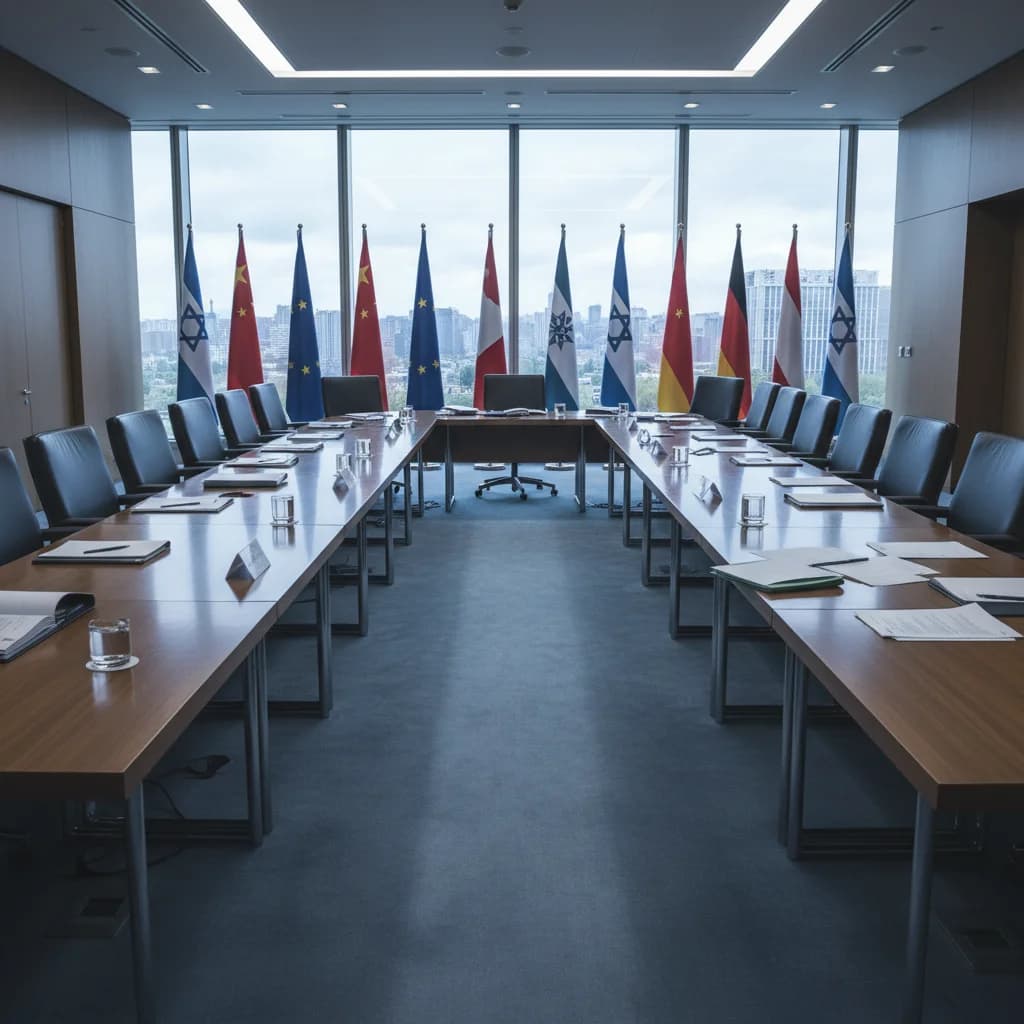
The February 6 high-level bilateral meeting in Quito between Colombian and Ecuadorian delegations concluded without resolution, failing to produce any agreement to roll back the reciprocal 30% tariffs that have paralysed cross-border trade since February 1. The summit, which Ecuador Brief covered in its preliminary analysis (see Article 18), represents the most significant diplomatic failure between the two Andean neighbours since the 2008 border crisis.
Ecuador's delegation, led by the Foreign Ministry, maintained its position that tariff normalisation is conditional on verifiable progress in Colombian border security cooperation -- specifically, troop deployments along the shared frontier and eradication of coca cultivation in the northern border zone. Colombia rejected what it characterised as "unilateral preconditions" and departed Quito without scheduling follow-up talks.
Colombia escalates through CAN
Within 48 hours of the summit's failure, Colombia filed a formal complaint with the Andean Community of Nations (CAN), alleging that Ecuador's 30% security tariff violates the bloc's free trade provisions under Decision 370 of the Cartagena Agreement. The complaint requests:
- An emergency ruling on the legality of Ecuador's tariff under CAN trade law
- Provisional measures to suspend Ecuador's tariff pending adjudication
- Authorization for Colombia to implement expanded retaliatory tariffs on additional Ecuadorian product categories
Colombia has signalled that the expanded retaliation could target Ecuadorian tuna, bananas, and palm oil -- sectors worth a combined $420 million in annual bilateral trade -- in addition to the 50+ product categories already subject to Colombia's reciprocal 30% duties.
The Trump factor
In a parallel diplomatic track, Colombian President Gustavo Petro met with US President Donald Trump at the White House on February 3 -- three days before the failed Quito summit. During the meeting, Petro proposed a "triple alliance" between the United States, Colombia, and Ecuador to combat drug trafficking in the shared border region, effectively asking Washington to broker a security framework that could provide the foundation for trade normalisation.
The proposal received a non-committal response from the White House. A senior US State Department official told the Washington Post that the administration "supports dialogue between Colombia and Ecuador but does not intend to serve as mediator in a bilateral trade dispute between two Andean nations."
Economic damage assessment
The trade war's impact is accumulating across multiple channels:
| Impact Area | Estimated Cost | Affected Parties |
|---|---|---|
| Reciprocal 30% tariffs | $840M/year (bilateral) | Importers, consumers |
| Electricity suspension | $60M/month (Ecuador) | Industrial, residential |
| SOTE pipeline 900% fee hike | $45M/month (Colombia) | Ecopetrol, refiners |
| Border commerce collapse | $180M/year | Ipiales, Tulcan merchants |
| Total annual impact | ~$2.8B | Both economies |
Americas Quarterly characterises the standoff as a "zero-sum game" in which both leaders are "weaponising the border crisis for nationalist rallying and blame deflection." President Noboa's domestic approval stands at approximately 38%, while Petro's has fallen to 29% -- creating incentives for both to maintain hard-line positions rather than make concessions that could be portrayed as weakness.
Smuggling surge anticipated
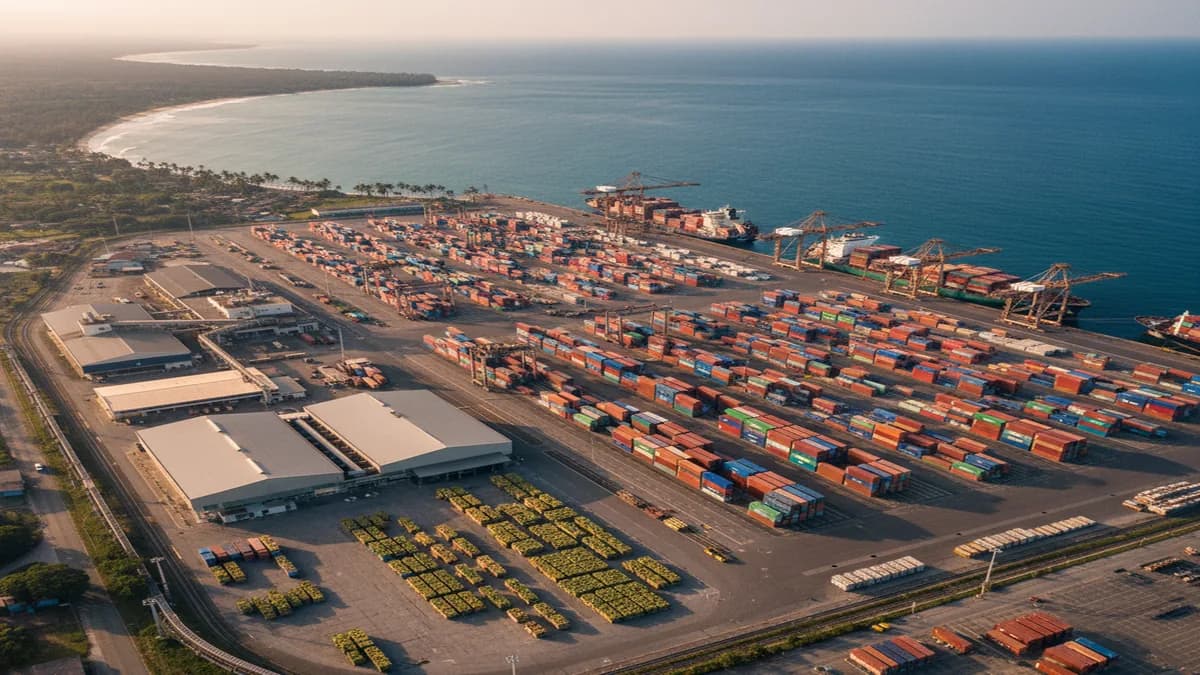
Trade analysts warn that the closure of formal trade channels will drive a surge in contraband and informal border commerce. The Rumichaca International Bridge, which processed approximately $8.2 million in daily bilateral trade before the crisis, has seen truck crossings fall by more than 75% since February 1.
"When you impose 30% tariffs on a 3,000-kilometre land border, you do not stop trade -- you criminalise it," said Fernando Sanchez, director of the Camara de Comercio de Tulcan. Border communities in Carchi province (Ecuador) and Narino department (Colombia) report increased activity at informal crossing points.
What to watch
The CAN's response to Colombia's formal complaint -- expected within 30 days -- will determine whether the dispute remains bilateral or escalates to a regional institutional crisis. Monitor whether Colombia follows through on expanded retaliatory tariffs targeting tuna and bananas, whether Ecopetrol reroutes crude shipments away from the SOTE pipeline, and whether either government signals willingness to resume direct talks. The next potential diplomatic window is the CAN presidential summit tentatively scheduled for March in Lima.
Sources: Rio Times Online, Americas Quarterly, Washington Post
Source
Rio Times Online / Americas Quarterly / Washington Post — “Ecuador-Colombia summit fails to resolve tariff deadlock”
View originalSupport the EcuadorBrief archive.
Research support helps fund review, corrections, and hosting. New publishing is paused.