Ecuador Valentine's Day Flower Exports Rise 3% to 39,000 Tons But Revenue Falls to $274 Million as Combined 21.8% US Tariff Erodes Margins

39,000 Tons Shipped, But Revenue Declines
Ecuador — the world's third-largest flower exporter behind the Netherlands and Colombia — shipped approximately 39,000 tons of flowers for Valentine's Day 2026, up 3% from 37,000 tons in 2025.
Despite the volume increase, revenue is projected to decline to $274-276 million from $282 million in 2025 — a drop of approximately $6-8 million attributable to US tariff pressure.
Valentine's Day accounts for 30% of annual flower sector sales, making it the industry's most critical commercial window.
The Tariff Squeeze
| Tariff Component | Rate |
|---|---|
| Existing US duty | 6.8% |
| Trump administration surcharge (2025) | 15.0% |
| Combined effective rate | 21.8% |
Alejandro Martinez, Executive President of Expoflores (the national flower producers and exporters association), directly attributed the revenue decline to the US tariff surcharge. At a combined 21.8% effective rate, Ecuadorian flowers face a significant competitive disadvantage against Colombian producers, which benefit from the US-Colombia FTA's zero-tariff access.
The recently concluded US-Ecuador Agreement on Reciprocal Trade (ART), which eliminates the 15% surcharge, would — upon signing — restore approximately $130-150 million in annual margin to the sector. However, the Valentine's 2026 season shipped before the ART takes effect.
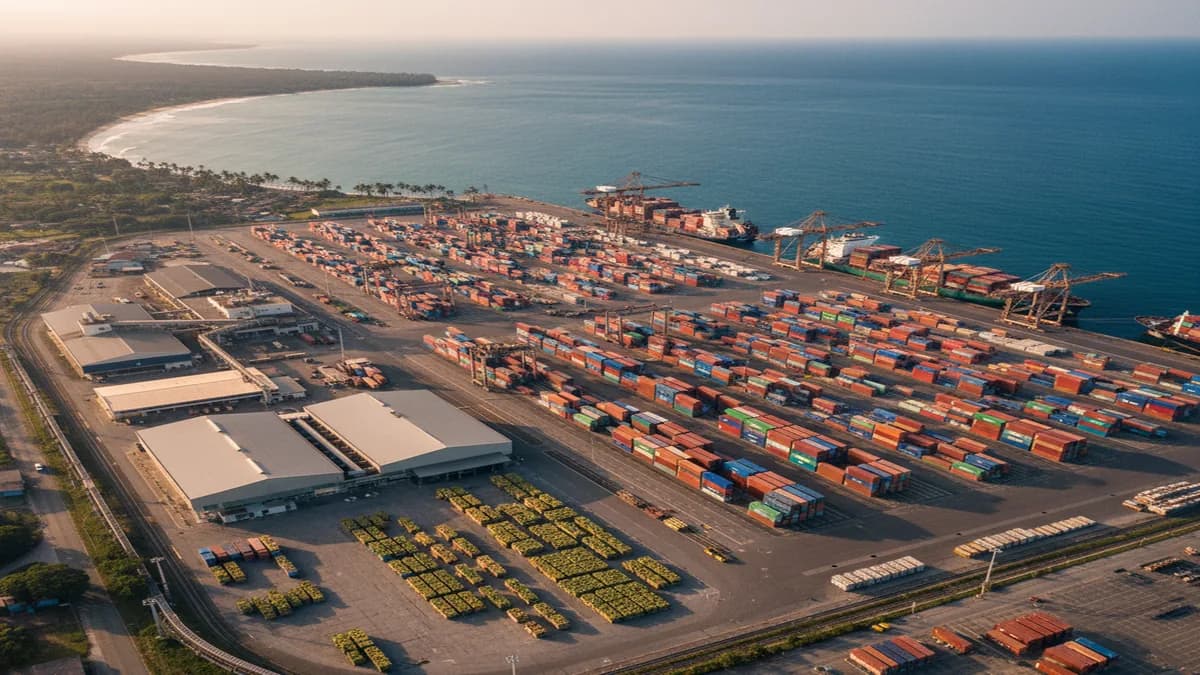
Logistics: 534 Flights Through Quito
The Valentine's export operation is one of Latin America's most intensive air cargo campaigns:
| Metric | Value |
|---|---|
| Total cargo | 39,000 tons |
| Flights (pre-Feb 1 window) | 534 |
| Cargo (Jan 20 - Feb 1) | 17,000+ tons in 332 aircraft |
| Airlines operating | 16 companies |
| Primary destinations | Miami, Amsterdam |
| Airport capacity increase | 6% year-over-year |
Ramon Miro, President of Quiport (the corporation operating Quito's Mariscal Sucre International Airport), reported a 6% increase in cargo throughput for the Valentine's window.
Ecuador's Flower Industry by the Numbers
| Metric | Value |
|---|---|
| Global ranking | 3rd (behind Netherlands, Colombia) |
| Plantation area | 6,200 hectares |
| Direct employment | 120,000 workers |
| Valentine's share of annual sales | 30% |
| Primary product | Large-headed roses |
| Competitive advantage | Equatorial altitude (2,800m+), year-round production, premium bud size |
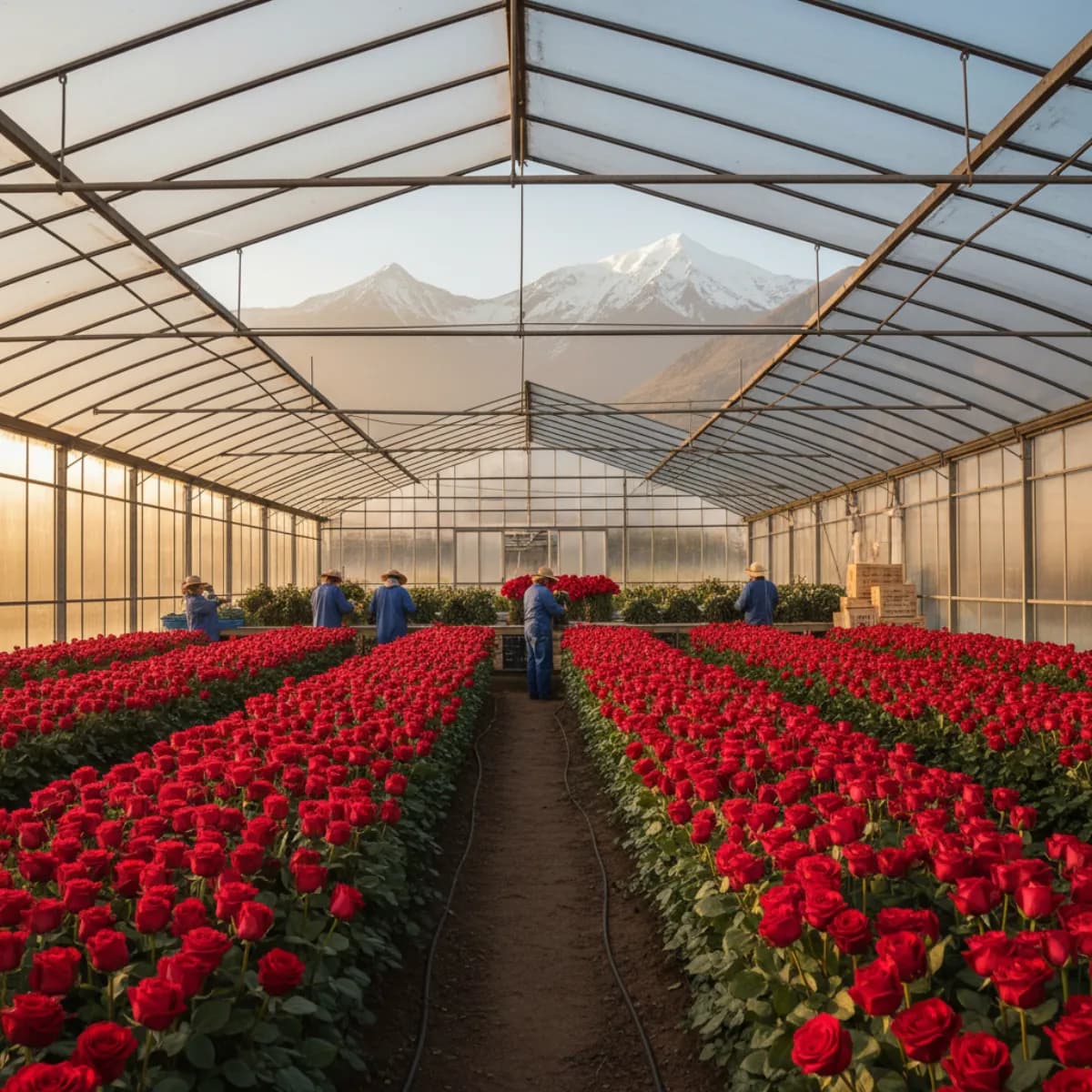
Ecuador's flowers — particularly its signature large-headed roses — command premium pricing in international markets due to the unique combination of equatorial sunlight and high-altitude growing conditions (2,800+ meters) in the inter-Andean valley north of Quito.
Competitive Landscape
Ecuador faces intensifying competition for the US Valentine's market:
| Competitor | Volume (Valentine's) | US Tariff Rate |
|---|---|---|
| Colombia | 500+ million stems | 0% (FTA) |
| Ecuador | ~39,000 tons | 21.8% (until ART signed) |
| Kenya | Growing presence | GSP-eligible |
| Ethiopia | Emerging exporter | GSP-eligible |
Colombia's zero-tariff access under its FTA with the US has been a persistent competitive advantage. The ART, once signed, would eliminate this gap — but for Valentine's 2026, the damage was already done.
Sector Employment and Social Impact
The flower industry is a critical rural employer in Ecuador's highlands, particularly in Cayambe, Tabacundo, and Latacunga. Workers process flowers under strict quality standards — inspecting buds for disease and bruising, bundling up to 25 stems per bundle, and assembling 26-40 packages per hour during peak season.
The 21.8% tariff pressure threatens not only corporate margins but the 120,000 jobs dependent on the sector — many held by women in rural communities with limited alternative employment options.
What to Watch
Track the ART signing timeline — the agreement's entry into force would immediately eliminate the 15% surcharge, restoring competitiveness for Mother's Day (the sector's second-largest sales window in May). Monitor Q1 2026 export data from Expoflores for the full tariff impact across all markets, not just Valentine's. Watch for potential farm consolidation — smaller operations with thinner margins may not survive a prolonged tariff period. Track Colombian flower export data to assess whether Ecuador's tariff disadvantage is translating into market share losses.
Sources: Latin American Post, El Oriente, Expoflores
Source
Latin American Post / El Oriente — “Ecuador's Roses Race the Valentine's Deadline as Tariffs Squeeze Growers' Margins”
View originalSupport the EcuadorBrief archive.
Research support helps fund review, corrections, and hosting. New publishing is paused.