Ecuador Ships 39,000 Tonnes of Flowers for Valentine's Day 2026 as US Tariff Hike Drives 6% Decline in American Orders

Ecuador Ships 39,000 Tonnes for Valentine's Day 2026
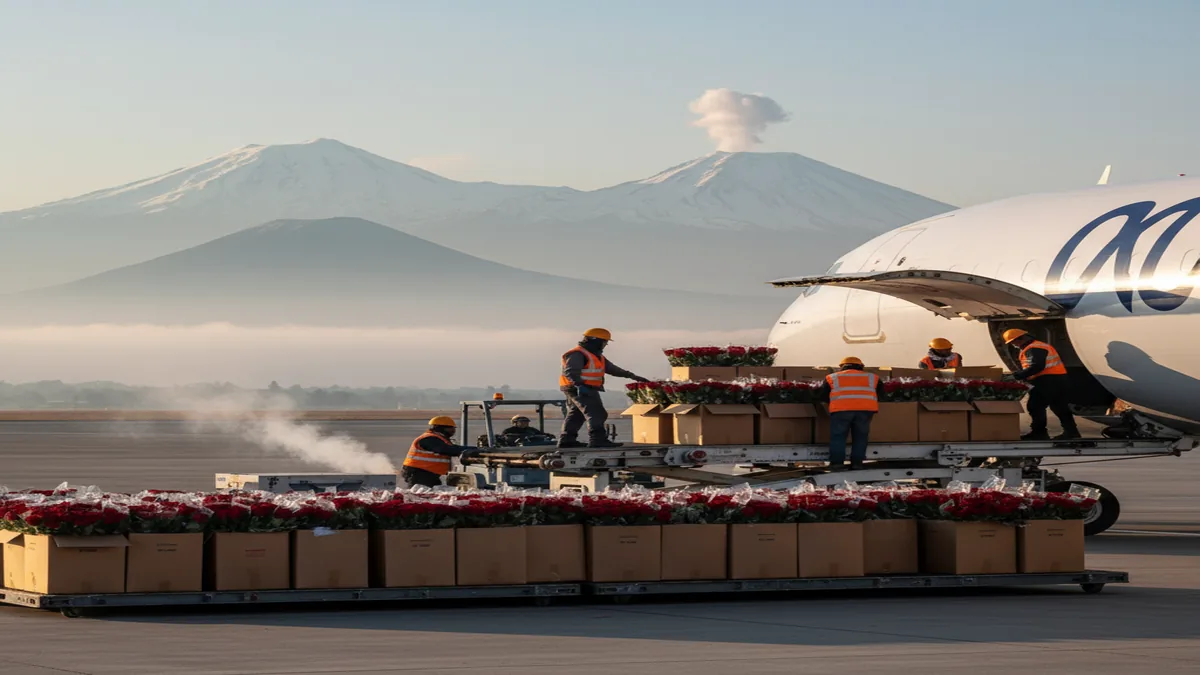
Ecuador's flower industry dispatched 39,000 metric tonnes of cut flowers during the 2026 Valentine's Day season (January 20 – February 11), up from 37,000 tonnes in 2025 and confirming the country's continued dominance of global floral supply during the holiday peak. However, the US tariff increase from 6.8% to 21.8% drove a 6% decline in US-bound shipments, costing the sector an estimated $6 million in lost revenue.
Season performance
| Metric | 2026 | 2025 | Change |
|---|---|---|---|
| Total volume | 39,000 tonnes | 37,000 tonnes | +5.4% |
| Quito airport volume | 29,075 tonnes | 28,779 tonnes | +1.0% |
| Cargo flights (Quito) | 563 | 534 | +5.4% |
| Peak day | Jan 30: 1,963 tonnes | — | — |
| Daily peak volume | 100,000–120,000 boxes | — | — |
Market distribution and the tariff problem
| Destination | Share of 2026 shipments | Trend |
|---|---|---|
| US & Canada | 57% | Declining (−6% to US) |
| Europe | 37% | Growing |
| South/Central America, Caribbean | 4.9% | Stable |
The 15% US surcharge — added to the existing 6.8% base tariff — created a combined import burden of 21.8% on Ecuadorian flowers entering the American market. The impact was concentrated in price-sensitive mid-market segments, where Colombian flowers (which benefit from duty-free access under a separate trade preference) gained market share.
Projected 2026 Valentine's revenue to the US is approximately $276 million, down from $282 million in 2025.
Product profile
Roses dominated Valentine's orders at 70% of shipments, with Ecuador offering 630 commercially available varieties from an inventory of approximately 900 developed cultivars. Other products included gypsophila, carnations, and summer flowers targeting European and emerging Asian markets.
Logistics at scale
| Carrier | Volume | Notes |
|---|---|---|
| Latam Cargo | 24,000 tonnes | 12,000 from Quito + 12,000 from Colombia |
| Avianca Cargo | 19,000 tonnes | +5% YoY; peak: 1 flight/hour |
| DHL Express | Door-to-door US deliveries | +135% projected |
Avianca Cargo operated at peak capacity of one flight per hour from Quito's Mariscal Sucre airport during the busiest days. DHL projected a 135% increase in direct-to-consumer deliveries to the US — reflecting a channel shift from traditional wholesale to e-commerce.
Employment and agricultural footprint
The flower sector employs approximately 120,000 workers (direct and indirect) across 6,200 hectares of production in Pichincha, Carchi, and Cotopaxi provinces. The Valentine's season accounts for approximately 30% of annual grower revenue.
Flower prices contracted 1.4% compared to the 2025 season, attributed to December climate variations that disrupted growing cycles.
What to watch
Monitor the US-Ecuador reciprocal trade agreement — roses and cut flowers are confirmed in the tariff elimination product list, which would restore the 0% rate and potentially reverse the 6% US market decline. Track Mother's Day season (May) volumes for confirmation of whether European demand growth is offsetting US weakness. Watch for Colombian competitive response — Colombia, the world's second-largest flower exporter, has duty-free US access and is actively courting buyers displaced by Ecuador's tariff disadvantage.
Sources: El Universo, Expoflores
Source
El Universo / Expoflores — “39.000 toneladas de flores ecuatorianas se exportaron por San Valentín en 2026”
View originalSupport the EcuadorBrief archive.
Research support helps fund review, corrections, and hosting. New publishing is paused.