$117.6 Million IDB-Backed Investment Targets 85% Renewable Power in Galapagos by 2030, 100% by 2040

$117.6 Million for Galapagos Energy Transition
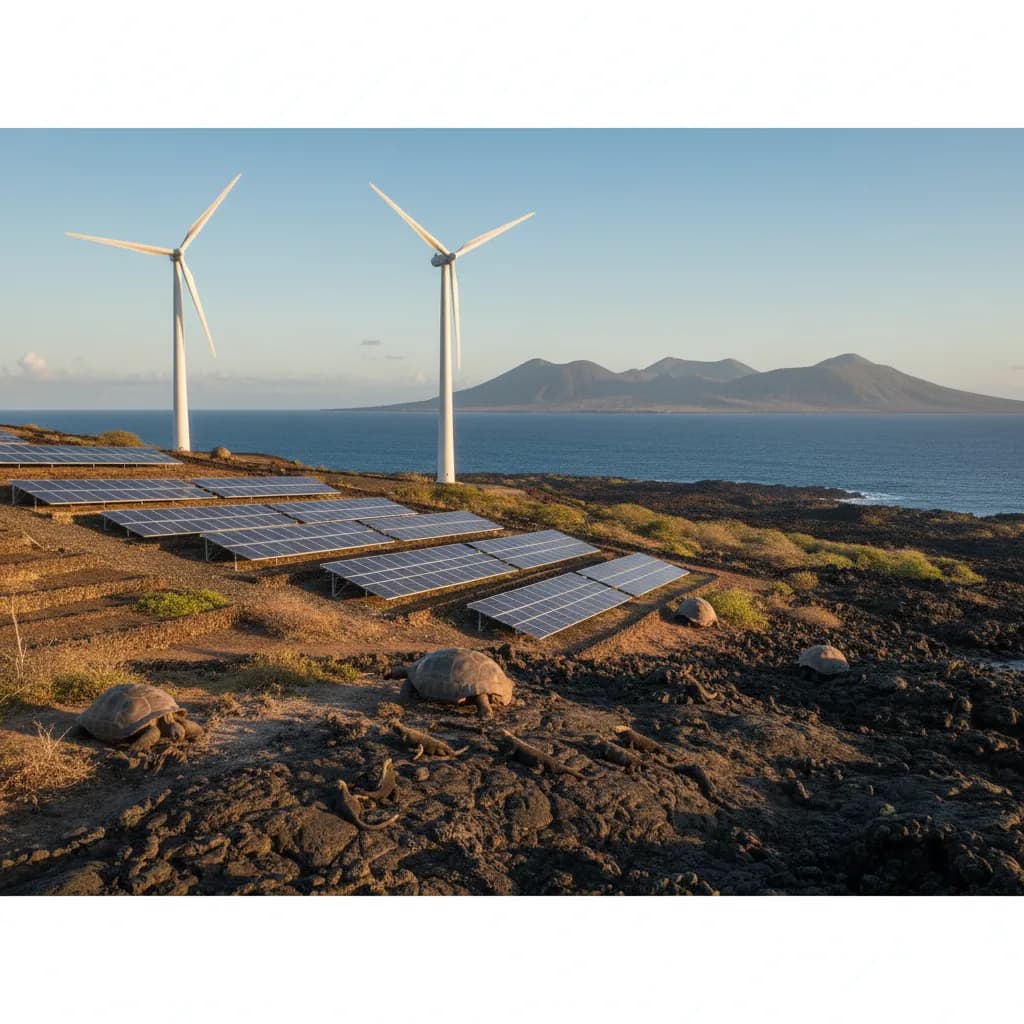
The Government of Ecuador announced a $117.6 million investment to strengthen climate resilience and accelerate the energy transition in the Galapagos Islands, with financing from the Inter-American Development Bank (IDB).
The "Energy Evolution" plan targets:
| Target | Timeline |
|---|---|
| 85% renewable power | By 2030 |
| 100% renewable power | By 2040 |
| CO2 reduction | 130,411 tonnes (2025-2030) |
Current Energy Profile
The Galapagos currently depends heavily on diesel generators for electricity — a paradox for one of the world's most ecologically sensitive destinations:
| Metric | Value | |---|---|---| | Current renewable share | ~30-35% | | Diesel generation share | ~65-70% | | Annual fuel consumption | ~15 million gallons of diesel | | Fuel transport | Tanker ships from mainland Ecuador | | Spill risk | Ongoing environmental hazard | | Electricity cost | 3-4x mainland Ecuador rates |
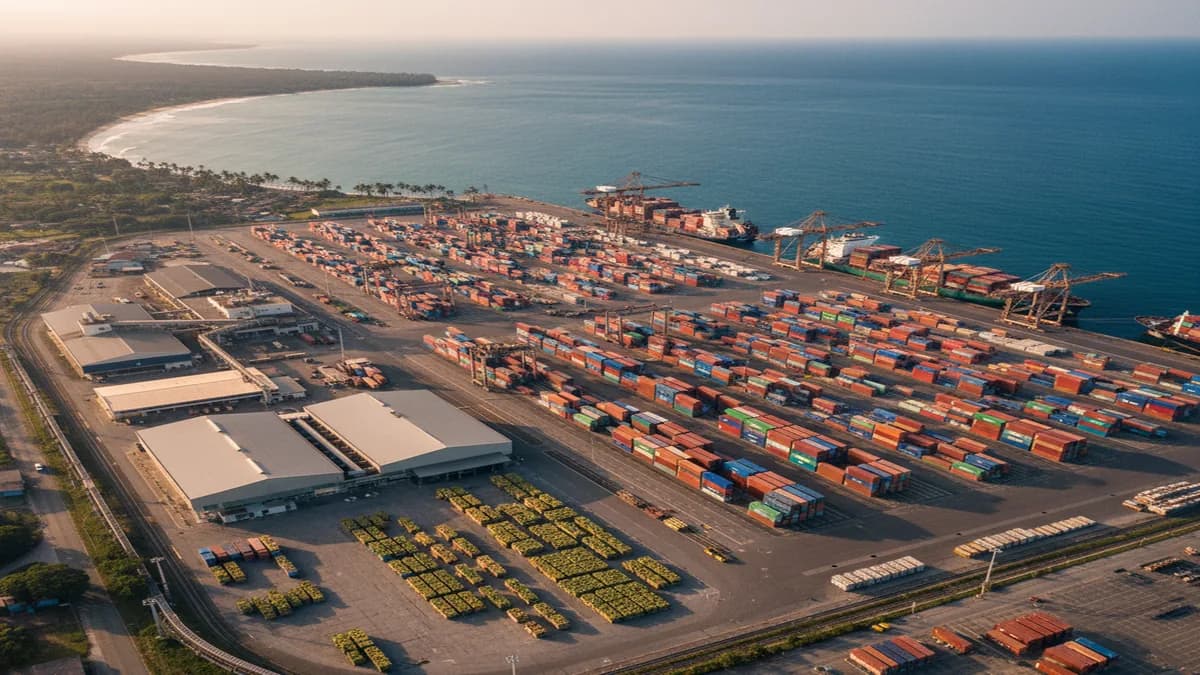
The archipelago's isolation means all diesel fuel must be shipped by tanker from the mainland — a logistics chain that carries inherent environmental spill risk in the marine reserve surrounding the islands.
Investment Components
While detailed project breakdowns have not been published, the $117.6 million is expected to fund:
| Component | Description |
|---|---|
| Solar PV installations | Utility-scale and distributed solar across inhabited islands |
| Wind generation | Wind turbines on suitable island sites |
| Battery energy storage | Lithium-ion or flow batteries for intermittency management |
| Grid modernization | Smart grid technology for island microgrids |
| Transport electrification | EV charging infrastructure and electric vessel pilots |
| Climate resilience | Coastal protection, water management systems |
Galapagos By the Numbers
| Metric | Value | |---|---|---| | Permanent residents | ~30,000 | | Annual tourists | ~270,000 | | Inhabited islands | 4 (Santa Cruz, San Cristobal, Isabela, Floreana) | | Total land area | 7,880 km² | | Marine reserve | 138,000 km² | | UNESCO designation | World Heritage Site (1978) | | Tourism contribution to local GDP | ~65% |
Carbon Market Opportunity
The timing of the Galapagos energy transition investment coincides with the National Assembly's legalization of carbon markets — ending a 16-year de facto ban on carbon credit trading in Ecuador.
The elimination of 130,411 tonnes of CO2 from 2025-2030 could generate marketable carbon credits under the new framework:
| Scenario | Carbon Price | Potential Revenue |
|---|---|---|
| Conservative | $15/tonne | $1.96 million |
| Moderate | $30/tonne | $3.91 million |
| Premium (Galapagos brand) | $50/tonne | $6.52 million |
Galapagos-branded carbon credits could command premium pricing given the archipelago's global recognition and conservation significance.
Precedent: $1.63 Billion Debt-for-Nature Swap
The energy transition investment builds on Ecuador's landmark $1.63 billion Galapagos debt-for-nature swap executed in 2023 — the largest such conversion in history:
| Debt-for-Nature Swap | Detail |
|---|---|
| Original debt converted | $1.63 billion in international bonds |
| New instrument | $656 million Galapagos Marine Loan (6.975%) |
| Annual conservation spending | $18 million |
| Galapagos Life Fund endowment | $12 million annually in perpetuity |
| Net fiscal savings | $800+ million by 2035 |
| Partners | The Nature Conservancy, US DFC, IDB, Bank of America |
The combination of the debt-for-nature swap, the new energy transition investment, and the carbon market legislation creates an integrated climate finance architecture for the Galapagos.
What to Watch
Track IDB disbursement milestones — the $117.6 million will be released in tranches tied to project implementation benchmarks. Monitor solar and wind project tenders — the specific technology providers and installation timelines will determine whether the 2030 target is achievable. Watch for carbon credit issuance — the first Galapagos-branded credits would test international market appetite and pricing. Track diesel fuel import reductions — declining fuel shipments to the islands would confirm real progress toward the renewable targets.
Sources: BNamericas, IDB
Source
BNamericas / IDB — “Government of Ecuador announces investment of USD 117.6mn to strengthen climate resilience and energy transition in Galapagos”
View originalSupport the EcuadorBrief archive.
Research support helps fund review, corrections, and hosting. New publishing is paused.