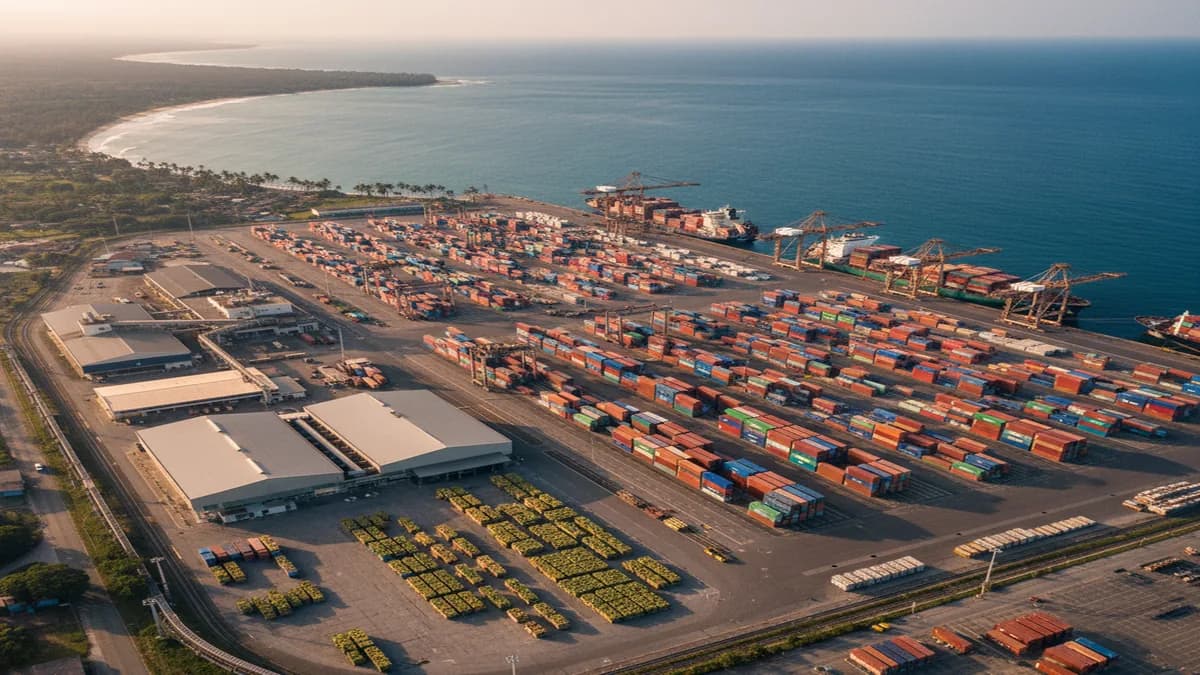
Agriculture Ministry Activates M Rice Purchase Program Across 4 Collection Centers

The Ministry of Agriculture, Livestock and Fisheries (MAGP) activated four reception centers on May 4, 2026 for direct public purchase of paddy rice from verified producers, funded by USD million allocated through BanEcuador under Executive Decree 307.
Collection Centers
| Center | Location | Province |
|---|---|---|
| Arrocesa | Yaguachi, km 19 Durán highway | Guayas |
| Agroindustrias Dajahu | Durán, km 6½ Durán-Tambo highway | Guayas |
| Induagrícola Burgos | Santa Lucía, km 66 Santa Lucía-Palestina highway | Guayas |
| Ecuagranos Mejía Coca | Babahoyo, km 1½ Montalvo-Babahoyo highway | Los Ríos |
Purchase Terms
- Short-grain rice: USD per sack (205 lbs / quintal)
- Long-grain rice: USD per sack
- Registered producers: approximately 7,000
- Total allocation: USD million via BanEcuador
Agriculture Minister Juan Carlos Vega stated the program is "ensuring immediate commercial outlet for farmers."
Market Context
The direct-purchase mechanism is designed to eliminate intermediaries who typically compress producer margins during peak harvest periods. By establishing government-backed floor prices, the MAGP aims to stabilize the domestic rice market and ensure transparent, secure payment channels for smallholder farmers.
Rice is Ecuador's primary staple grain, with Guayas and Los Ríos accounting for the majority of national production. The timing — immediately following the coastal harvest cycle — targets the period when oversupply typically depresses farmgate prices.
What to Watch
- Whether M is sufficient to absorb meaningful harvest volume from 7,000 registered producers. Per-producer allocation averages roughly ,140 — limited purchasing power for commercial-scale farms
- Payment execution speed. BanEcuador's processing capacity will determine whether producers see timely returns or face the same cash flow delays that push them toward intermediaries
- Pricing sustainability. At - per sack, these rates represent government-set floors. Monitor whether market prices converge above or below these levels through May-June
- Potential expansion to additional provinces or commodities if the pilot demonstrates effective market stabilization
Source: El Telégrafo, Primicias
Source
El Telégrafo, Primicias — “Gobierno activa centros de recepción para comprar arroz a productores verificados”
View originalSupport the EcuadorBrief archive.
Research support helps fund review, corrections, and hosting. New publishing is paused.