Small and Medium Hydroelectric Plants Sustain Ecuador's Electricity Demand Amid Low Reservoirs

In October 2026, small and medium hydroelectric plants covered a significant portion of Ecuador's national electricity demand. The contribution from these lower-capacity facilities has maintained grid stability while major generation complexes face diminished water levels due to dry conditions.
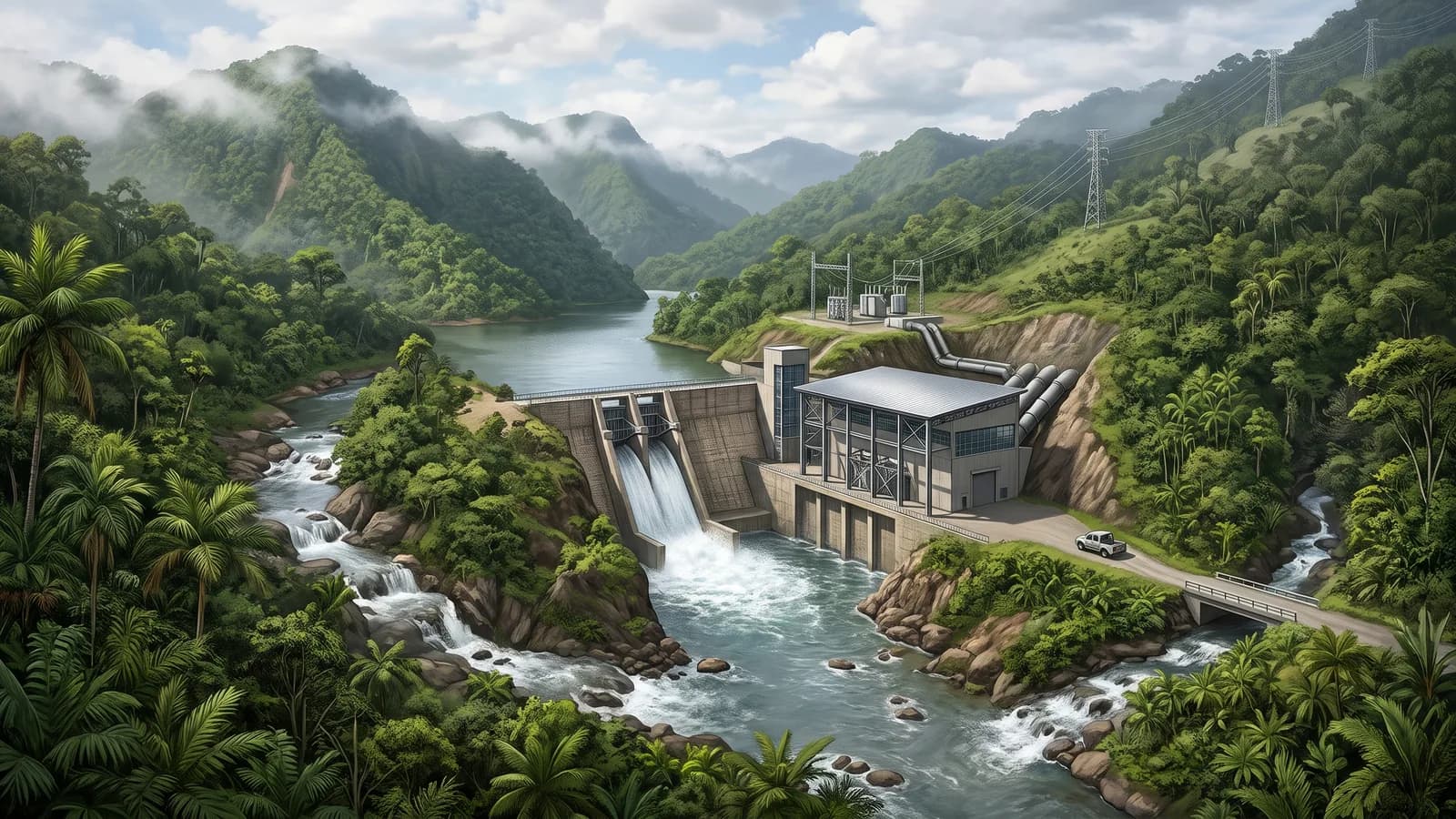
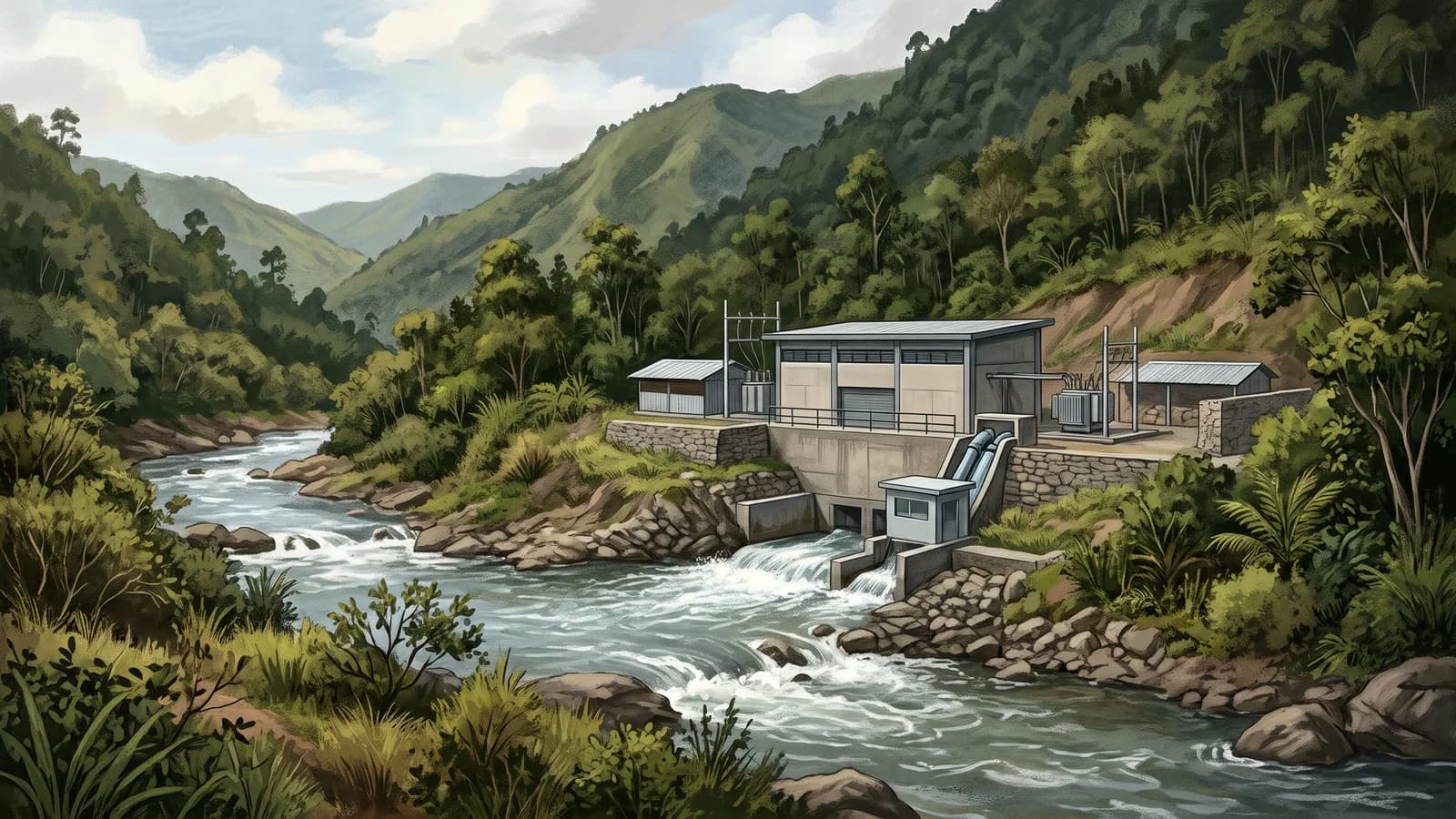
Ecuador operates at least 72 state and private hydroelectric plants distributed across its western and eastern river basins. While large facilities usually dominate the energy matrix, smaller facilities situated across diverse watersheds have helped offset generation deficits during the current drought.
The reliance on smaller facilities comes as key infrastructure experiences declining water reserves. By October 28, the water elevation at the Mazar reservoir dropped to 2,122.11 meters above sea level, placing it seven meters above its critical operational threshold. The reservoir, which extends 31 kilometers, has seen its water level decrease by 30 meters since mid-August as a result of the ongoing dry season.
What to watch
Monitor reservoir water levels at the Mazar facility relative to its critical operational limit of 2,115.11 meters above sea level. Observers should also track generation output reports across Ecuador's 72 state and private hydroelectric facilities in the western and eastern river basins.
Sources: primicias.ec.
Image: AI-generated editorial illustration; not a documentary depiction of the events reported.
Report an article problem
Tell us what seems incorrect or outdated. Email is optional.
For business readers
Need a focused answer to an Ecuador business question?
Request a separately scoped 30-minute research consult with a written summary. A request does not update or verify this archived article. This is business research context, not legal, tax, or investment advice.
Request a research consultSupport the EcuadorBrief archive.
Research support helps fund source monitoring, corrections, and hosting.