Articles
Business intelligence and analysis on Ecuador
ARCOM Proposes Cutting Mining-Fee Target to USD 44M and Excluding Exploration
ARCOM is circulating a reform to Ecuador’s mining supervision fee that would cut projected collection by roughly 80%, from USD 221.75M to USD 44M. The proposal would exclude initial exploration, advanced exploration and economic evaluation projects, addressing one of the mining sector’s main investment-cost objections.
Ecuador Security Decree Targets Areas With 2,648 Homicides in Four Months
Ecuador’s new state of exception concentrates military and police intervention in ten provinces and three cantons that registered 2,648 of 2,778 national homicides from January through April. Guayas alone accounted for 1,223 violent deaths, making the decree material for port, logistics, mining and urban operating-risk analysis.

Contraloría Rule Would Allow Classified Audit Files to Be Destroyed After 30 Days
Ecuador’s National Assembly approved a rule allowing the Contraloría to destroy classified state documents within 30 calendar days after audit reports are final and executed. The reform changes the governance and audit-trail environment for classified public-sector information, with civil-society groups asking the Executive to veto the provision.
Petroecuador Output Reaches 365,973 bpd, Still Below June Plan
Petroecuador highlighted 370,197 BOE/d on June 15, its best level in recent months, but the number includes crude and natural gas. Crude output was 365,973.40 bpd, below the June plan of 376,223.01 bpd and still short of the production recovery needed for fiscal and export targets.

SEPS Data Show 38 Credit Cooperatives in Forced Liquidation as Delinquency Exceeds 8%
SEPS data show 38 Ecuadorian credit cooperatives were in forced liquidation as of May 5, 2026. Ambato accounted for 36.8% of the cases, Quito 26.3% and Cuenca 21.1%, with sector delinquency above 8% versus roughly 3% in private banking.

Oil Drop May Cut Ecuador Subsidy Cost Before Fuel Prices Fall
WTI fell 4.9% to USD 80.75 per barrel after an announced U.S.-Iran agreement, but Ecuador fuel prices are not expected to decline immediately. Current subsidies are USD 1.60 per gallon for diesel, USD 1.62 for Ecopais and USD 1.02 for Extra, making the fiscal account the first transmission channel.
Housing Reservations Rise 28% as Ecuador Builders Target 40,000 Units
Ecuador net housing reservations rose 28% from January to April 2026 versus the same period in 2025, the strongest annual increase in at least three years. Builders are targeting 40,000 units or more for the year, supported by USD 362 million in unsubsidized mortgage credit and USD 113 million through Miti-Miti.
IVA Refund Dispute Reaches Constitutional Court as SRI Refunds Fall 28.5%
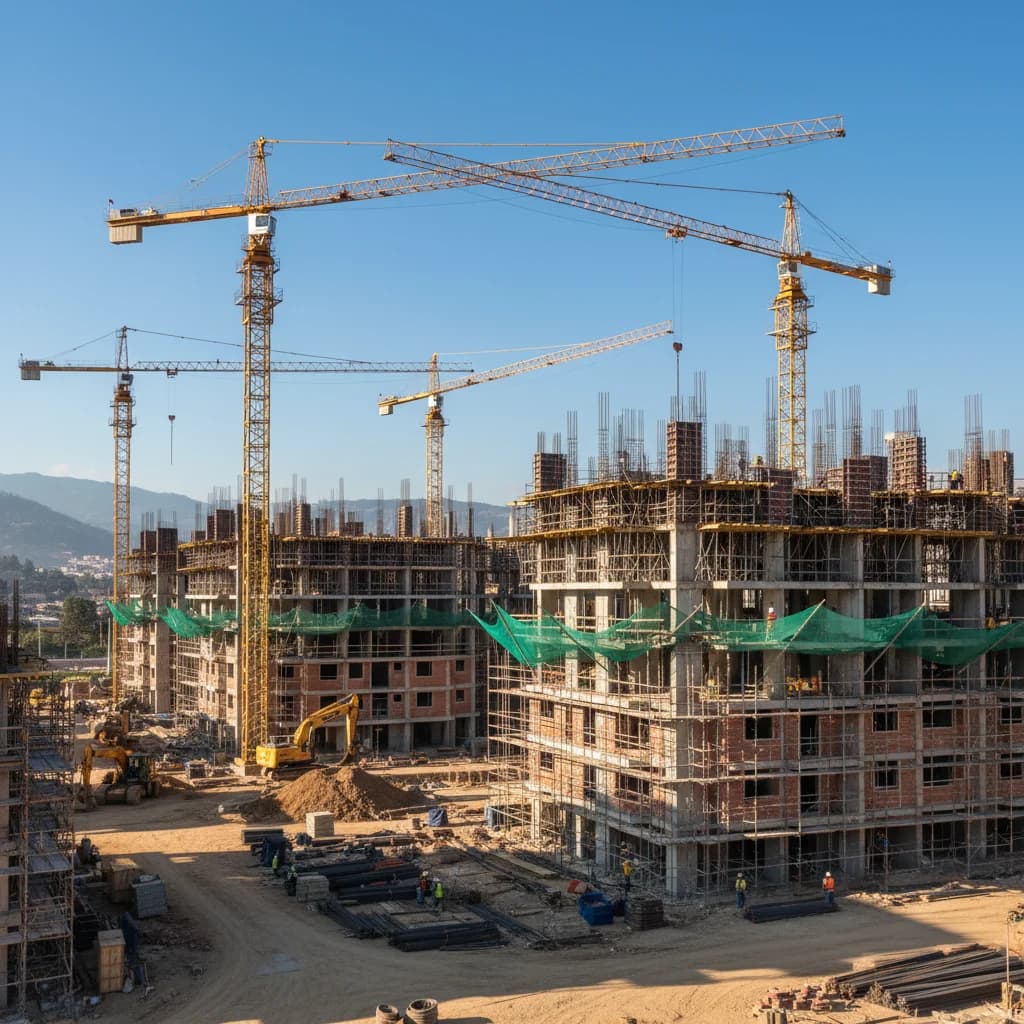
A retirees group has taken IVA refund delays to Ecuador’s Constitutional Court after a rejected protection action in Pichincha. The dispute comes as SRI cash tax refunds reached USD 134.5 million from January to April 2026, down 28.5% from the same period in 2025.
Ecuador Seeks 100% Mine Self-Generation in Cascabel and Mirador II Renegotiations
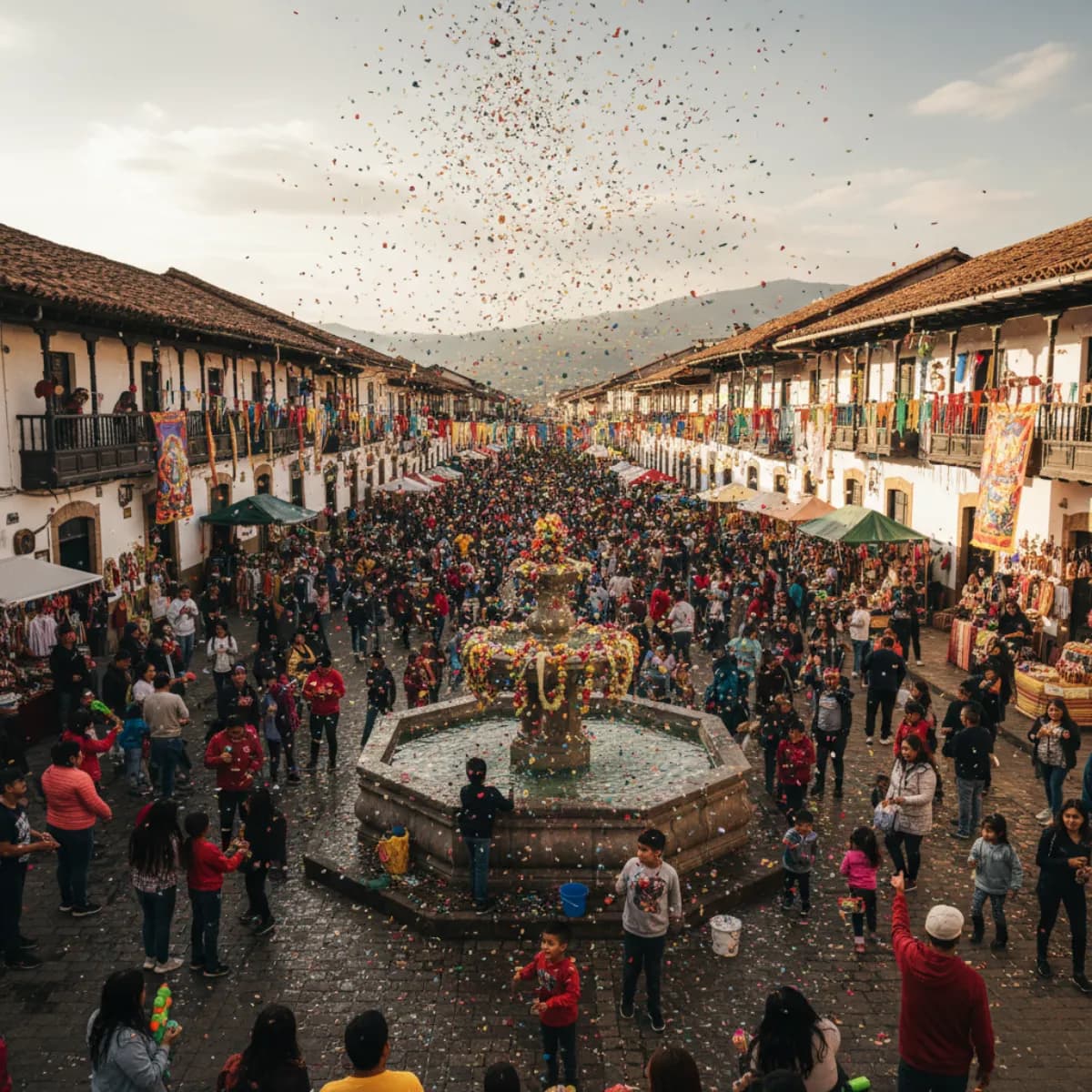
Ecuador is seeking contract addenda for the Cascabel and Mirador II copper projects, with power self-generation as a critical condition. The government wants new mines to cover 100% of their power demand as industrial mining could add at least 4,468 MW of electricity demand by 2035.
BanEcuador Sets USD 253M El Nino Credit and Relief Buffer
BanEcuador says it has USD 253 million available for credit, refinancing and relief measures tied to a possible El Nino event. The bank estimates up to USD 13 million in loans could face repayment risk, with agriculture identified as the most exposed sector.
Ecuador Adds 7,364 Hectares of Water-Protection Areas in Loja
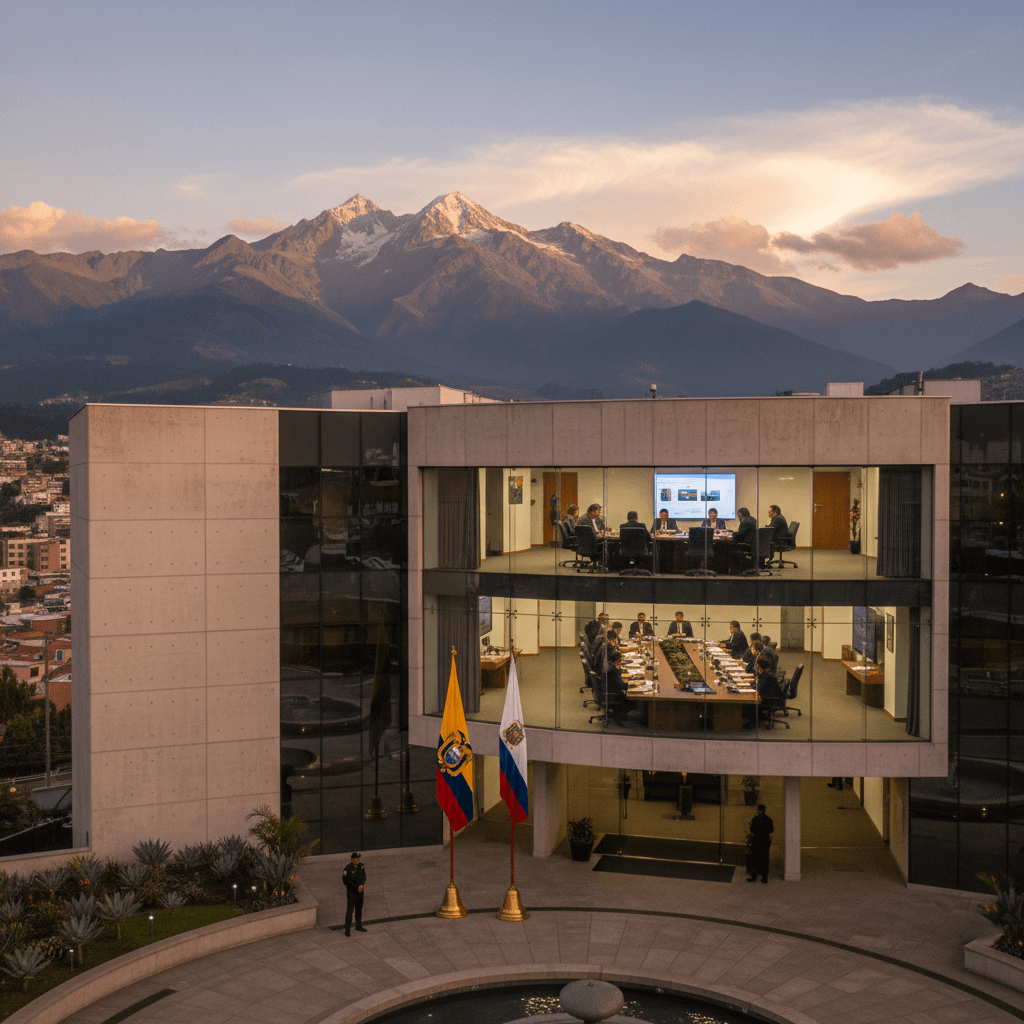
Ecuador formalized the Gonzanama and Sanguillin water-protection areas in Calvas, Loja, covering 7,364.35 hectares. The declarations are framed around forest, water-source and wildlife conservation, with direct water-quality relevance for 7,829 residents.
Quito Bicentenario Road Plan Could Affect 15 of 103 Park Hectares
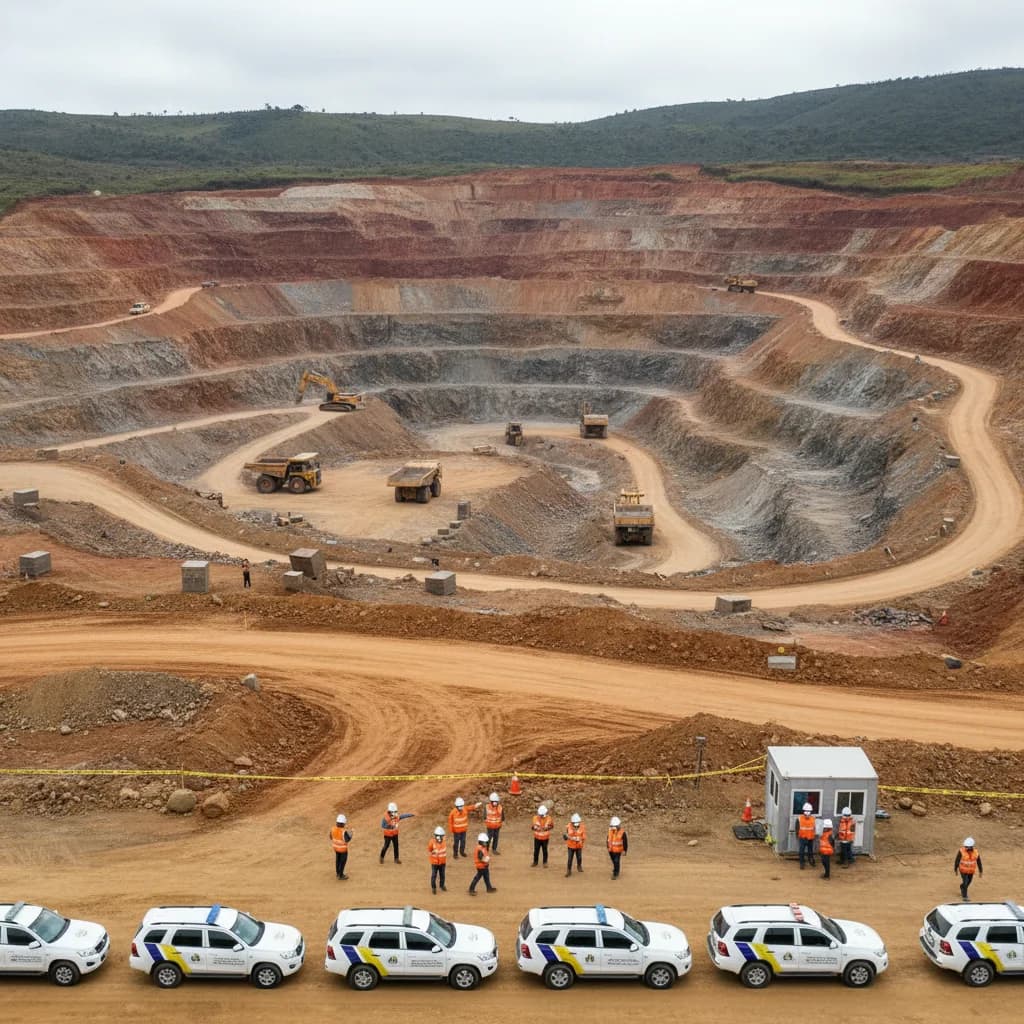
A Quito road-extension proposal would prolong Amazonas, Real Audiencia and Rafael Aulestia through the Bicentenario Park area. One council member said the plan includes 2.2 km and 2.5 km road sections and could affect 15 of the park's 103 hectares.