Articles
Business intelligence and analysis on Ecuador
Ecuador-South Korea SECA Agreement Poised to Boost Exports with Significant Tariff Reductions
The Strategic Economic Cooperation Agreement (SECA) between Ecuador and South Korea, signed in March 2025, is pending approval by South Korea's National Assembly. Once implemented, it will grant immediate 0% tariff access to 7,473 subheadings of Ecuadorian goods, including shrimp and textiles, into the Korean market.
Ecuador's Non-Oil Exports Surge 25% in July 2026, Driven by Shrimp and Diversified Products
Ecuador's non-oil exports reached $2,914 million in July 2026, marking a 25% year-over-year increase from $2,330 million in July 2025. This growth was supported by a 19.2% rise in export volume and strong performance in both traditional and non-traditional sectors, with shrimp leading sales and China solidifying its position as the primary buyer.
Ecuador's Confectionery Imports Surge in 2026, Shifting Supply Calendar Ahead of Holiday Season
Ecuador's confectionery imports reached $97.2 million between January and August 2026, a significant increase from $43.5 million in the same period of 2025. This surge is driven by anticipated year-end commercial activity, with businesses stocking up earlier than in previous years.
Ecuador's Motorcycle Market Experiences Significant Growth, Driven by Utility and Local Assembly
New motorcycle sales in Ecuador increased by 20.2% between January and August 2026, reaching 211,479 units. This growth is attributed to motorcycles becoming essential tools for mobility and work, supported by local assembly and financing options.
Ecuador's Logistics Sector Experiences Significant Growth Driven by Record Exports and Port Activity
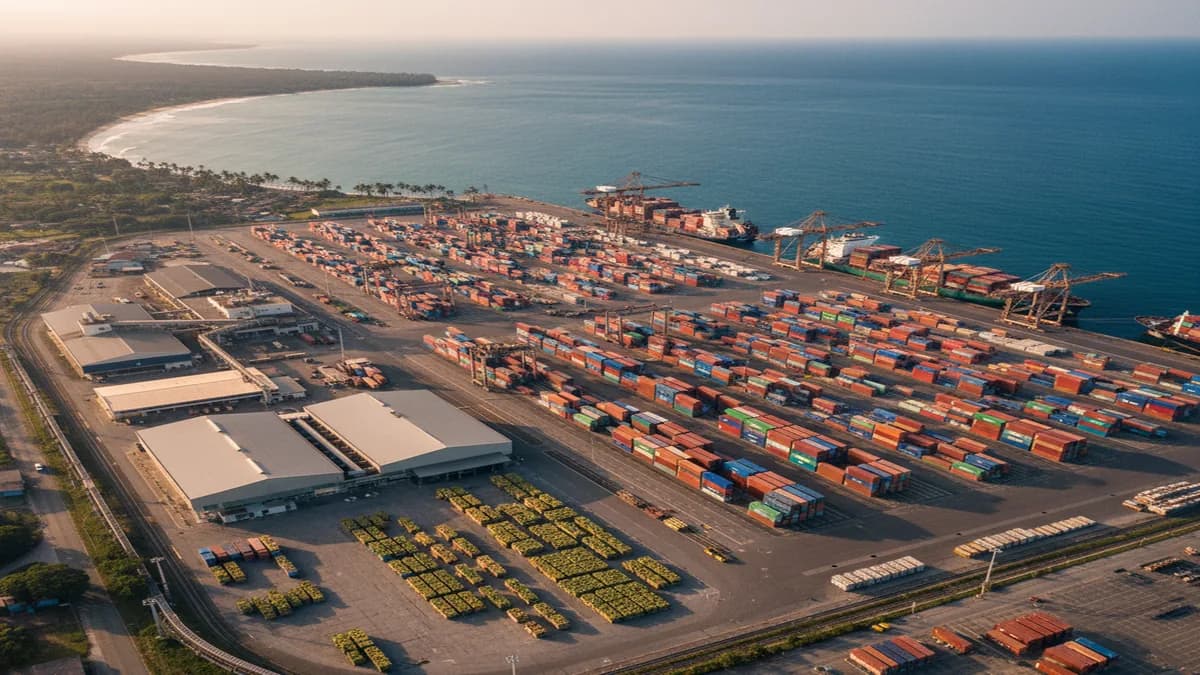
Ecuador's logistics sector is expanding, supported by record exports in 2025 and continued trade growth in the current year. The national port system has seen a 60% increase in total cargo mobilized between 2015 and 2025, with land transport playing a crucial role in connecting production zones to international markets.
Ecuador and Panama Set a Technical Path Toward a Partial-Scope Trade Agreement
Ecuador and Panama have signed terms of reference to begin negotiating a partial-scope economic complementarity agreement. The immediate commercial question is whether the technical agenda turns access to Panama’s logistics, services, and consumer market into enforceable terms.
TPG Puts USD 50 Million Behind Cranes, Cold Chain, and Port Automation
Terminal Portuario de Guayaquil plans USD 50 million of 2026 investment, including two USD 22 million cranes, a refrigerated-container substation, electric vehicles, backup generators, and automation. TPG handled 736,141 TEUs last year, or 24% of Ecuador's national market according to company-cited shares.
Ecuador–Peru Trade Rose 33.5% to USD 1.23 Billion in H1 2026
Ecuador–Peru trade reached USD 1.2267 billion in the first half of 2026, up 33.5% year over year. The result combines 40% export growth, 28% import growth, a temporary Colombia displacement effect, and more than 700% growth in Peruvian FDI during the first quarter.
Ecuador-Singapore Memorandum Creates a Two-Year Trade and Digitalization Workstream
Ecuador and Singapore signed a two-year memorandum covering trade and economy, digitalization, governance, sustainability, public health, and education. The commercial signal is broad, but implementation milestones remain the key diligence question.
Ecuador–China visit: Beijing cooperation papers and Chengdu talks
A dated account of the August 2026 China visit, separating documents signed in Beijing from later talks in Chengdu.
Guayaquil Grain Terminal Faces Operator Transition Before El Niño Risk Peaks
The Guayaquil multipurpose grain terminal’s Andipuerto concession expires on November 26, 2026. The government is considering a transition while the port remains important for imported maize, soy, and wheat under an active El Niño alert.
Puerto Bolívar Adds a USD 30M Refrigerated Logistics Asset
A USD 30 million refrigerated warehouse at Puerto Bolívar has reached 93% completion and entered technical testing. The asset is designed to give banana and other perishable exporters more flexibility between harvest and vessel schedules.