Articles
Business intelligence and analysis on Ecuador
CELEC Awards $59.2M Diesel Rental for 45 MW at Santa Elena
CELEC awarded a $59.2 million diesel-generation rental contract for 45 MW at the Santa Elena plant, nearly $13 million below the reference budget. The award went to Comercial Laeisz Honduras after seven offers and Sercop observations over the public-procurement process.
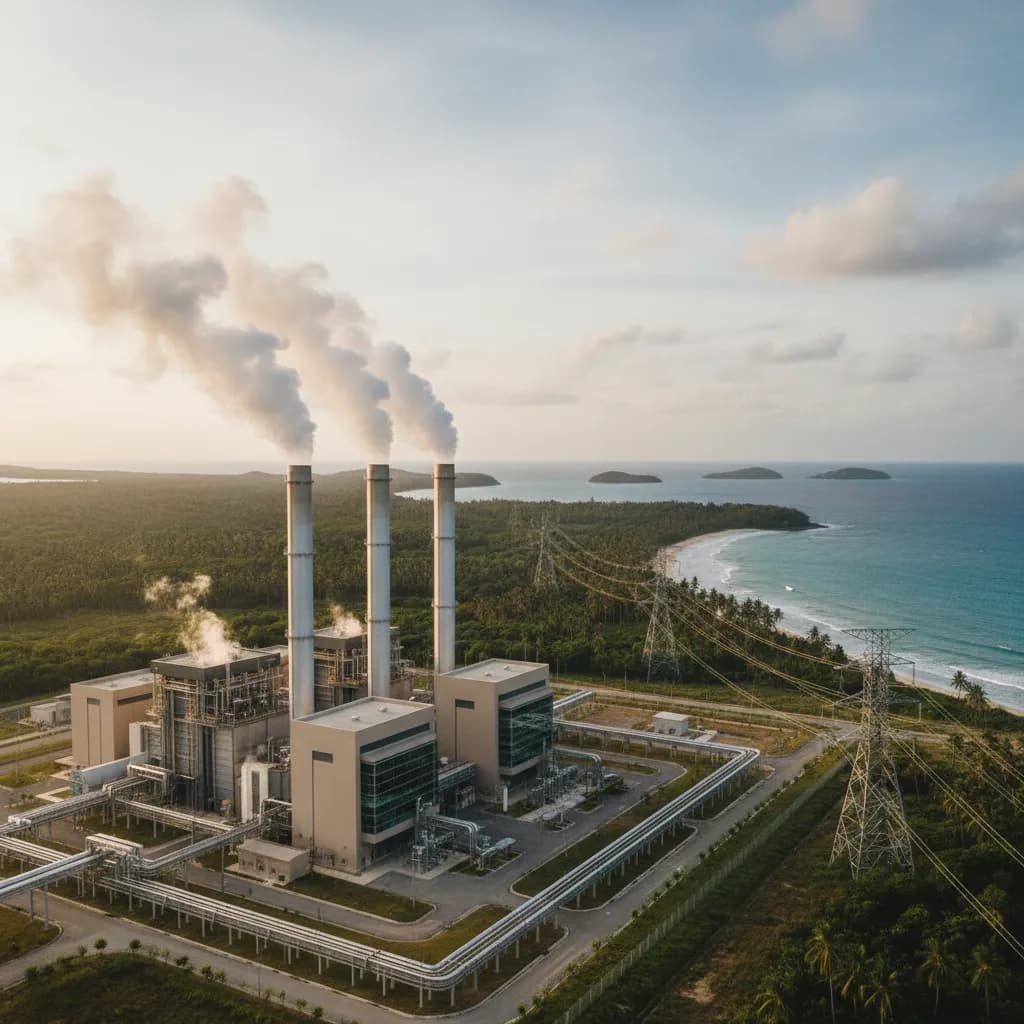
Ecuador Plans Emergency Contracting Committee as Erosion Threatens Coca Codo
Ecuador will form an emergency committee to accelerate works tied to regressive erosion on the Coca River, which threatens Coca Codo Sinclair’s water-intake structures. The hydro plant supplies about 25% of national electricity demand and cost more than $2 billion.
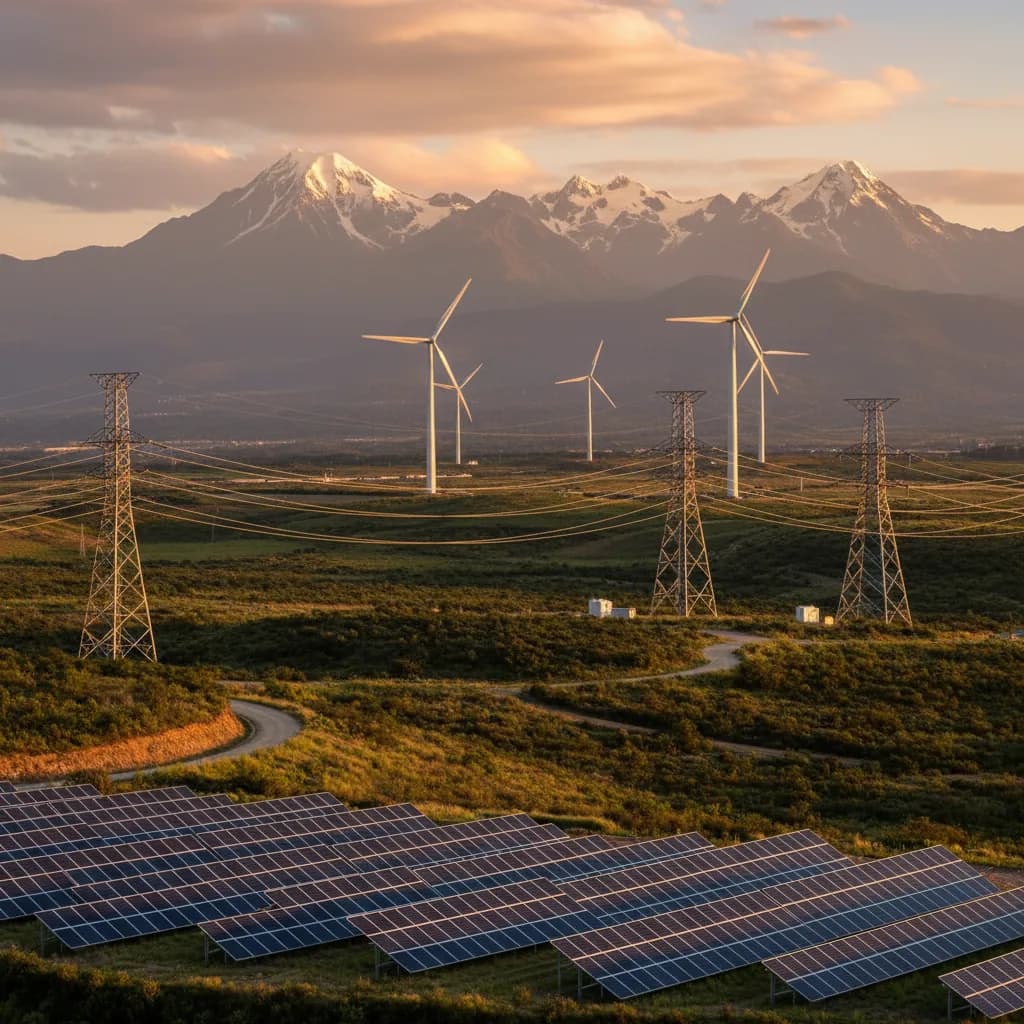
CAN Countries Discuss Single Andean Sky After 40M International Passengers in 2024
Andean Community countries discussed a “single Andean sky” proposal at the IV Andean Air Transport Forum in Quito. The subregion moved 40 million international passengers in 2024, including 6.47 million passengers traveling between CAN countries.
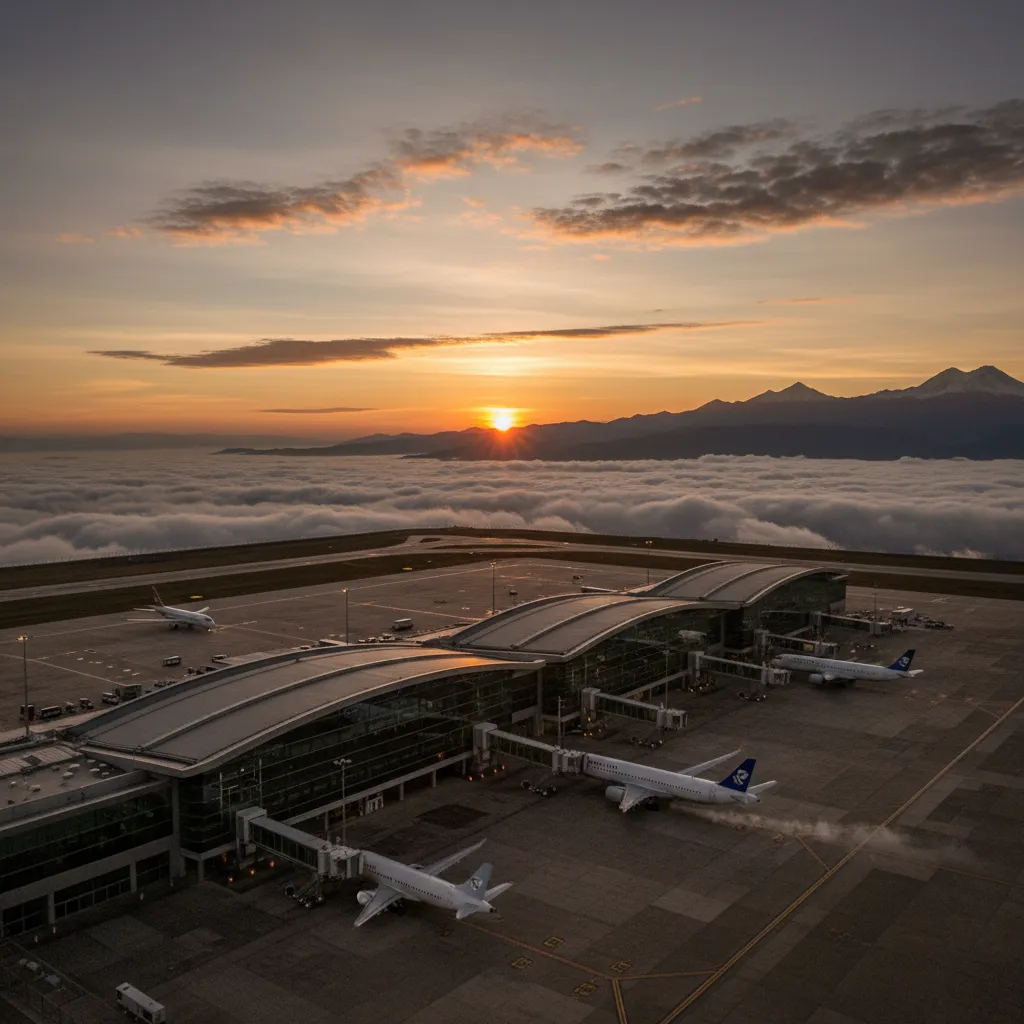
Orellana Illegal-Mining Operation Destroys Equipment Worth Estimated $1.2M
A military operation in Orellana caused an estimated $1.2 million loss to illegal mining structures, according to the Defense Ministry. The intervention destroyed camps, excavators, suction motors, classifiers, generators and 2,660 gallons of fuel.
Petroecuador Adds Output at Sacha and Auca as State Production Hits 364,233 Bpd
Petroecuador added new well output at Sacha and Auca, with state production reaching 364,233 barrels per day on June 8. Sacha produced 72,811 bpd, about 20% of Petroecuador output, while Auca produced 61,007 bpd, about 17%.

Colombia Removes 30% Tariffs on Ecuadorian Goods After CAN Dispute
Colombia removed the 30% reciprocal tariffs on selected Ecuadorian goods through Decree 0583, derogating Decree 170 of February 20, 2026. Rice tariffs will be dismantled within 45 days as customs controls are strengthened along the southern border.
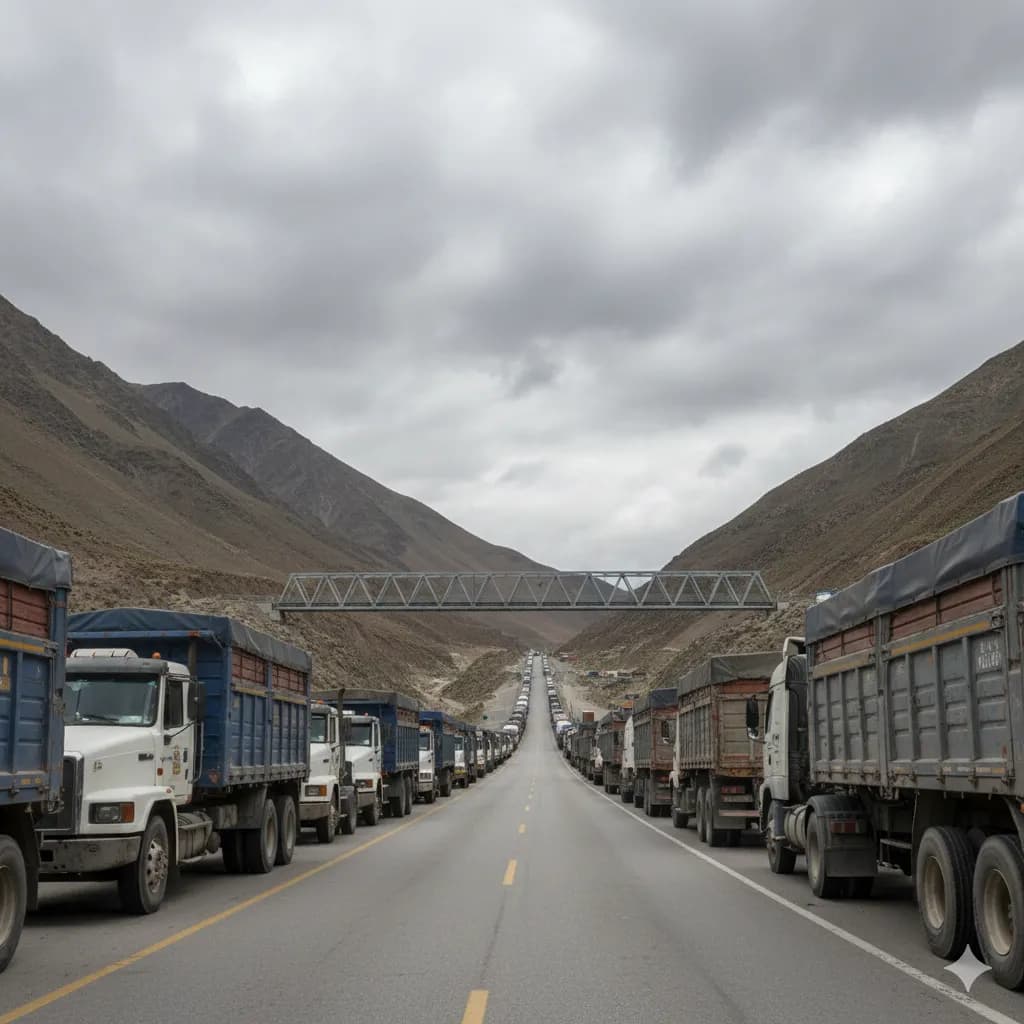
Ecuador Checks Fuel Chain as Esmeraldas Refinery Recovers to Nearly 90%
Ecuador is verifying fuel inventories, dispatches and station operations before the June 12 monthly price update. Authorities say Esmeraldas refinery recovery lifted capacity from 40% to nearly 90% after a $15.7 million repair effort.
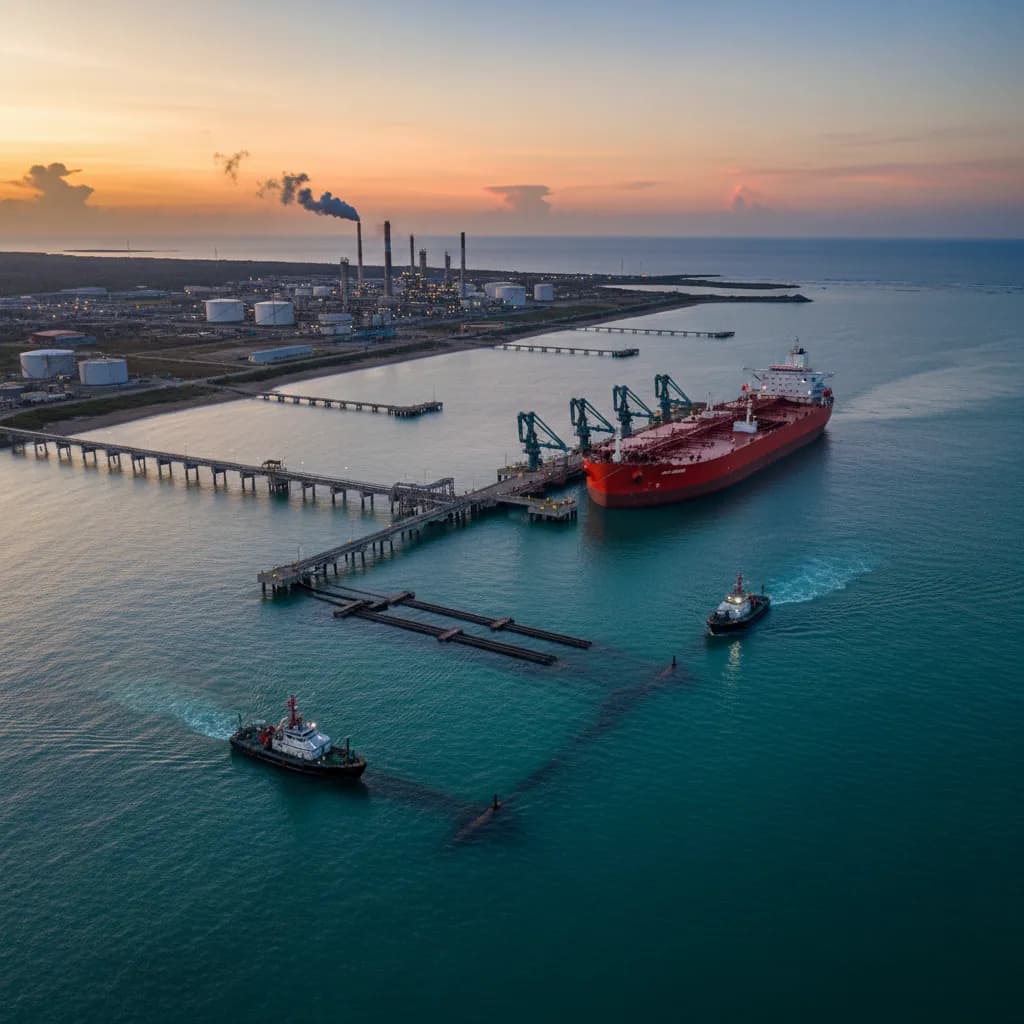
World Cup Demand Could Lift Ecuador June Sales to $25.609B
Ecuador's June sales are estimated at $25.609 billion, up 10.1% from $23.269 billion in June 2025. Commerce alone is projected at $10.701 billion, up 14%, as World Cup demand flows through restaurants, bars, sports retail, electronics, delivery and telecoms.

Ecuador VAT Revenue Reaches $4.068B Through April
Ecuador collected $4.068 billion in VAT from January through April 2026, up 15% from $3.549 billion a year earlier. VAT represented about 46.5% of total tax revenue, while internal sales reached $53.903 billion in January-March, up 12%.
Petroecuador Restructuring Plan Points to Mixed-Capital Model
Ecuador's energy ministry is evaluating a mixed-capital model for Petroecuador that would maintain state control while opening up to private investment. The concept would require legal reform and could allow private participation up to 49%, with 51% under state control.
Agricominsa Cleared to Acquire Plásticos Ecuatorianos Assets
The Superintendence of Economic Competition authorized Agricominsa to acquire assets linked to the productive and commercial activities of Plásticos Ecuatorianos S.A. The transaction covers a packaging company founded in Guayaquil in 1967 and linked to Tonicorp.
World Cup Demand Pushes Ecuador Fashion Retail Beyond Jerseys
Ecuador's World Cup apparel demand is expanding beyond sports jerseys into guayaberas, polos, blazers, suits and casual wear. Pical sold more than 500 licensed Tri polo shirts across 39 stores, while Guayaberas Orellana launched a $50 guayamisa.