Articles
Business intelligence and analysis on Ecuador
Ecuador Lists 15+ Trade Agreements After $5.032B Non-Oil Surplus
Ecuador has more than 15 new trade agreements on its agenda after a $5.032 billion non-oil trade surplus in 2025, according to El Universo. The report also cites $29.402 billion in non-oil exports, 26 investment contracts worth more than $1.049 billion, and $623.22 million in business closings from international promotion.

Ecuador Overdue Collections Portfolio Rises to About $2.5B, Asocob Says
Ecuador's overdue financial-system portfolio managed by collection firms has risen from about $1.6 billion before Covid-19 to about $2.5 billion, according to Primicias reporting on Asocob. The association cites overindebtedness, labor instability and spending priorities as key factors behind household arrears.

Amazon Biocorridor Plan Mobilizes About $460M Over 17 Years
Expreso reports that President Daniel Noboa announced roughly $460 million for the Biocorredor Amazonico over 17 years. The initiative is meant to strengthen protected areas, improve management of more than 26 million hectares of natural heritage and reinforce Ecuador's park-ranger corps.
Decreto 390 Sets Electric-Sector Diesel at $0.8042/Gal as Thermal Fuel Rules Change
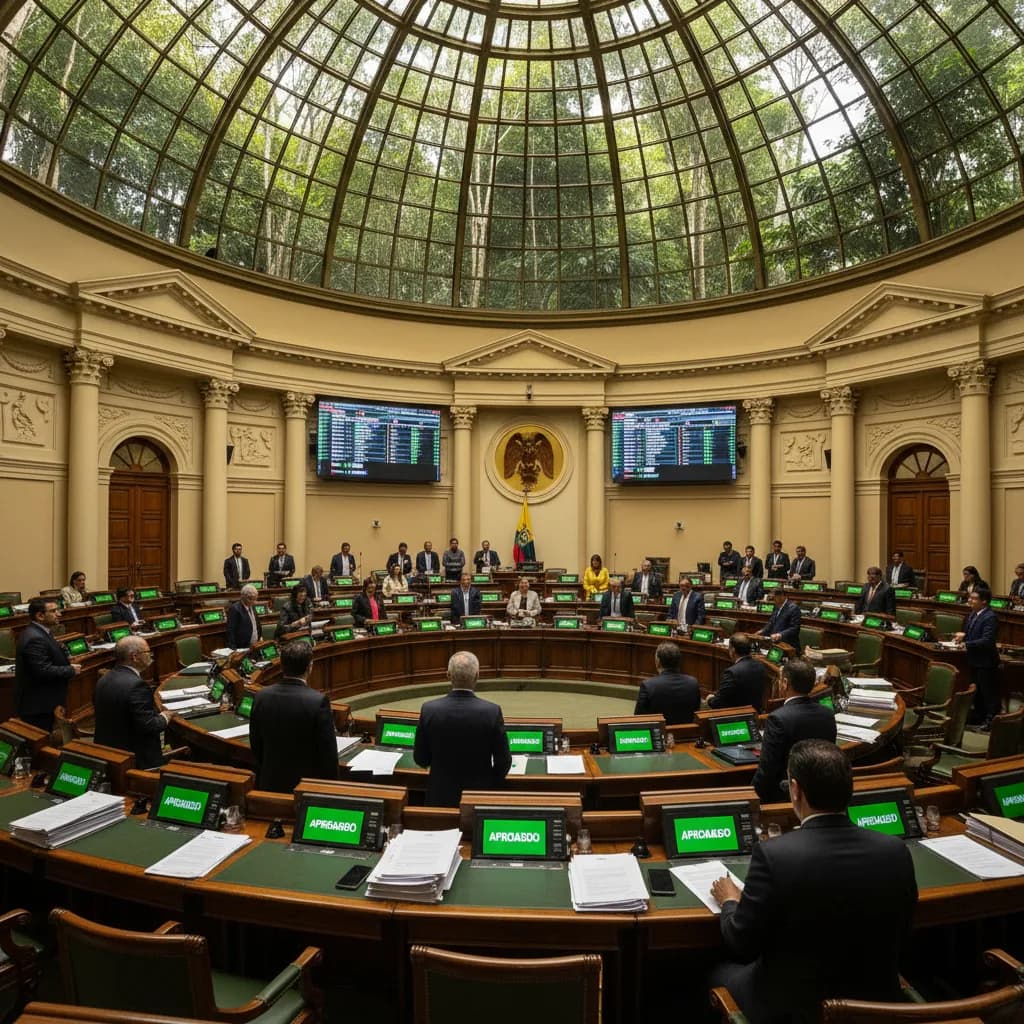
Decreto Ejecutivo 390 sets diesel for the electric sector at $0.8042 per gallon and establishes Fuel Oil 4 prices of $0.48 at Refinería La Libertad and $0.62 at other dispatch points. The reform takes effect from 00:00 on May 22, 2026.
CELEC Has No Awards Across 205 MW Emergency Thermal Rental Pipeline
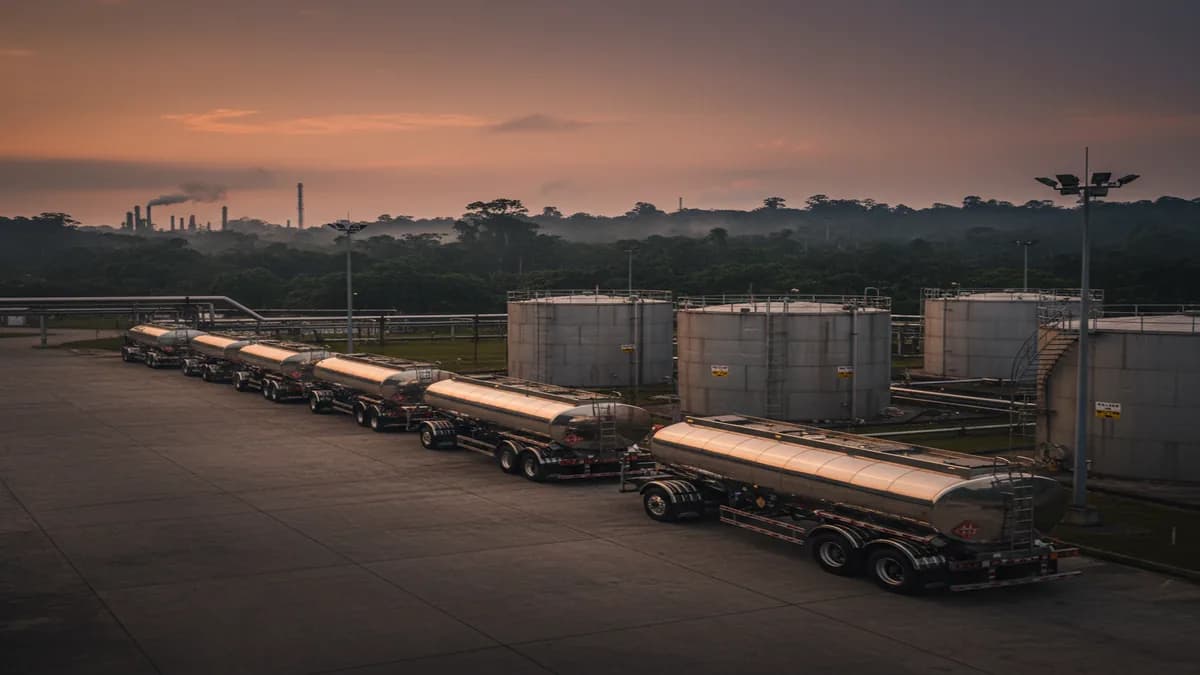
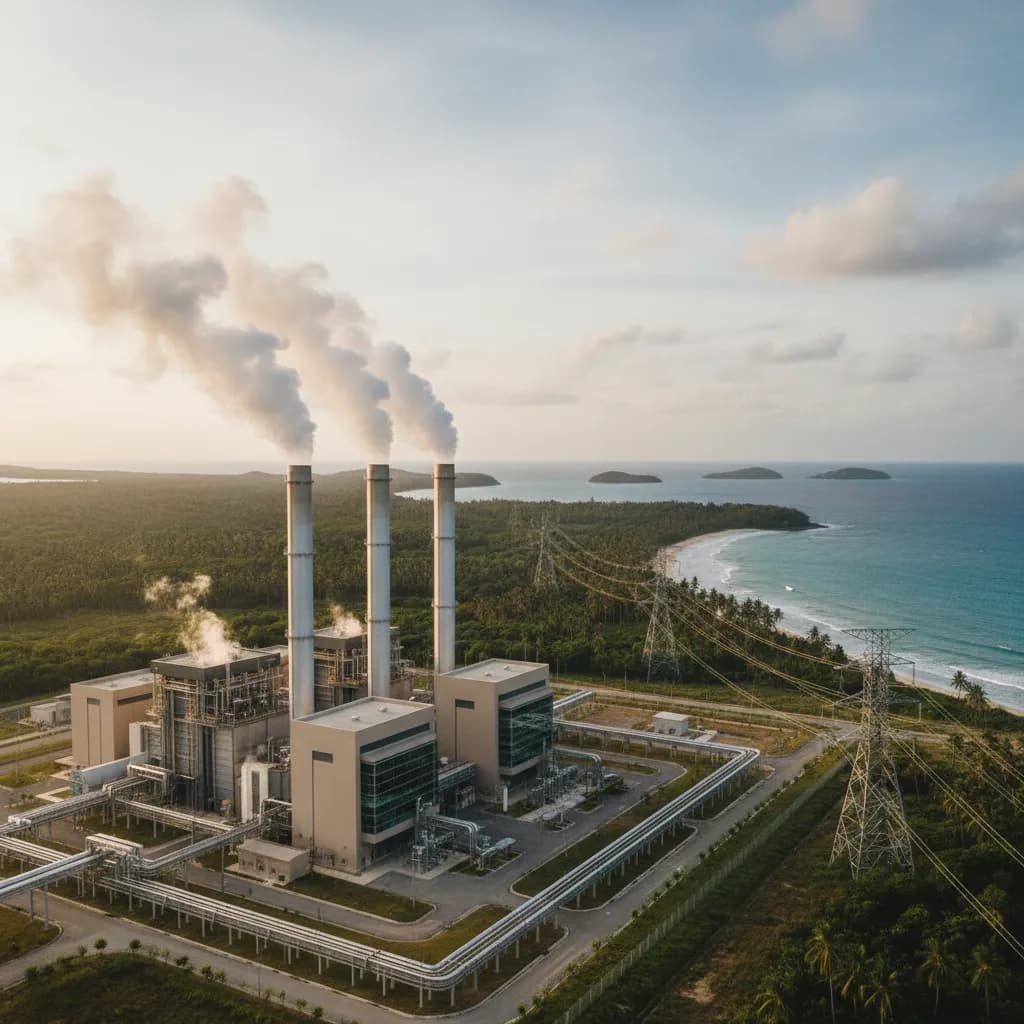
CELEC's plan to contract 205 MW in rented thermal generation has not produced an award as of May 22. Primicias reports Pascuales, Jaramijó and Miraflores have already faced deserted processes while Santa Elena and Guangopolo remain delayed.
SRI Promotes 50%-75% Income-Tax Deduction for Youth Hiring
SRI is promoting an employer income-tax incentive that allows a 50% additional deduction for hiring workers aged 18-29, rising to 75% in specified education cases. Construction and agriculture employers may also apply a 75% additional deduction for new hires.
Marine-Coastal Law Creates Wave Registry and Rules for Ports, Tourism, Fishing and Energy
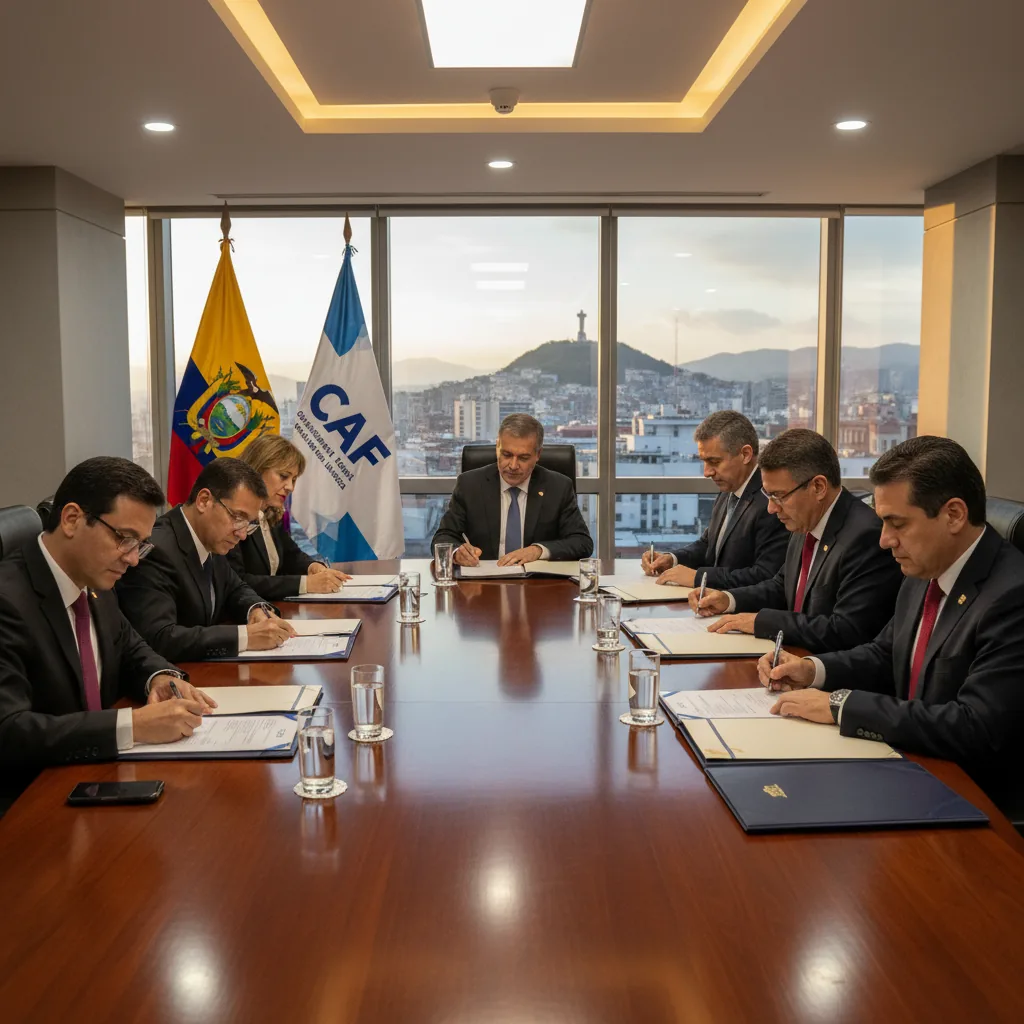
The National Assembly approved the Ley Orgánica de Gobernanza del Espacio Marino-Costero on May 21. Expreso reports the law creates a national registry for breaking-wave zones and regulates activities including fishing, tourism, port development and sea-linked energy projects.
Mining Fiscalization Fee Collects About $40M Versus $229M Target as Legal Challenges Advance
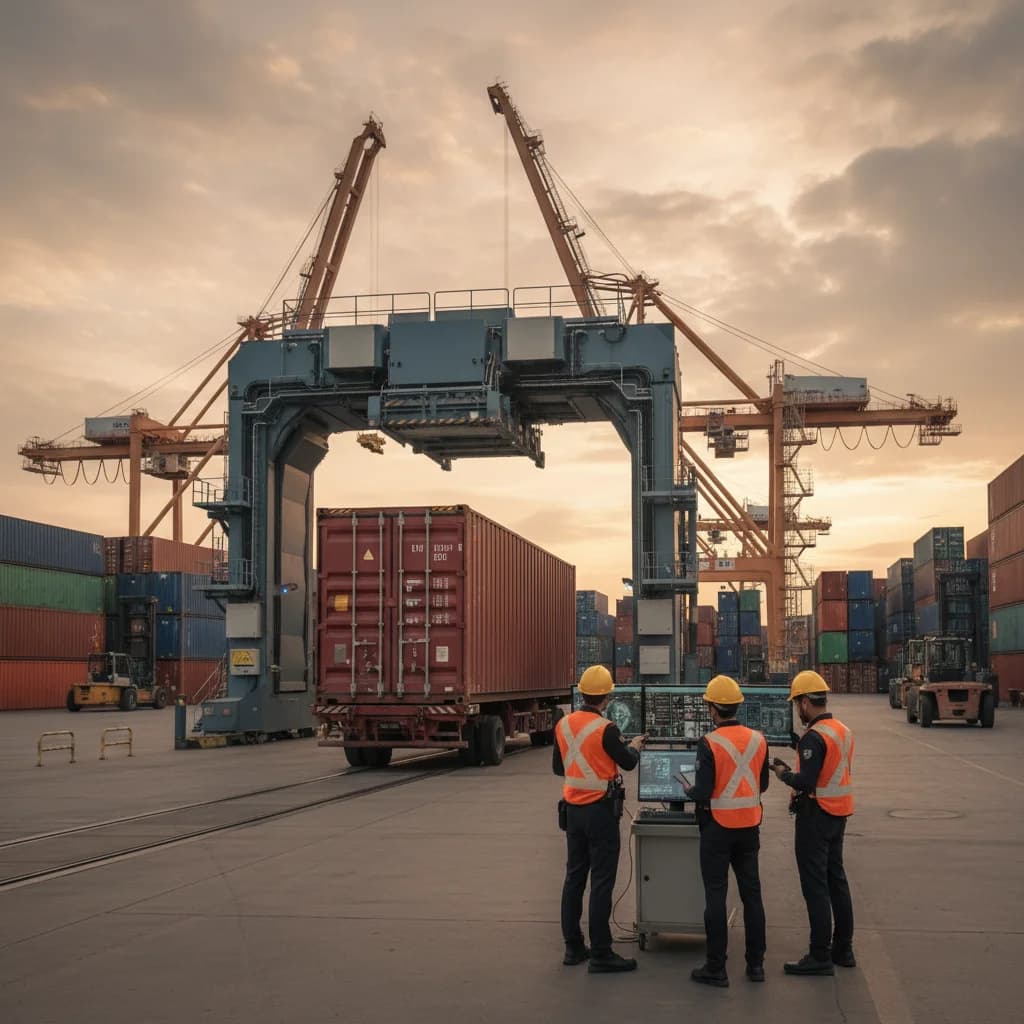
Ecuador's mining fiscalization fee has collected around $40 million, compared with a $229 million government target, according to Expreso. The Chamber of Mining argues the charge discourages investment and says constitutional claims are moving through the Court.

Campo Amistad Adds 3M Cubic Feet per Day, Lifting Gas Output to 27.6M Cubic Feet
Campo Amistad increased daily natural-gas production by 3 million cubic feet after work on Amistad 7, Primicias reports. Total output reached 27.6 million cubic feet, with Petroecuador planning additional interventions on wells 8, 14 and 9.
Mining Exports Reach $1.381B in Q1, With Fruta del Norte and Mirador at 75% of Value
Ecuadorian mining exports reached $1.381 billion through March 2026, up 65% year over year, according to Primicias. Fruta del Norte and Mirador represented 75% of mining export value in the quarter.
EV Sales Reach 3,124 Units in Jan-April as BYD Yuan Pro Enters Ecuador's Top Five Models
Ecuador sold 3,124 fully electric vehicles in the first four months of 2026, equal to 6.17% of the total new-vehicle market, according to Expreso. BYD Yuan Pro ranked fifth among all models with 834 units.

Mortgage Disbursements Rise 22% in Q1 as Ecuador Housing Demand Indicators Improve
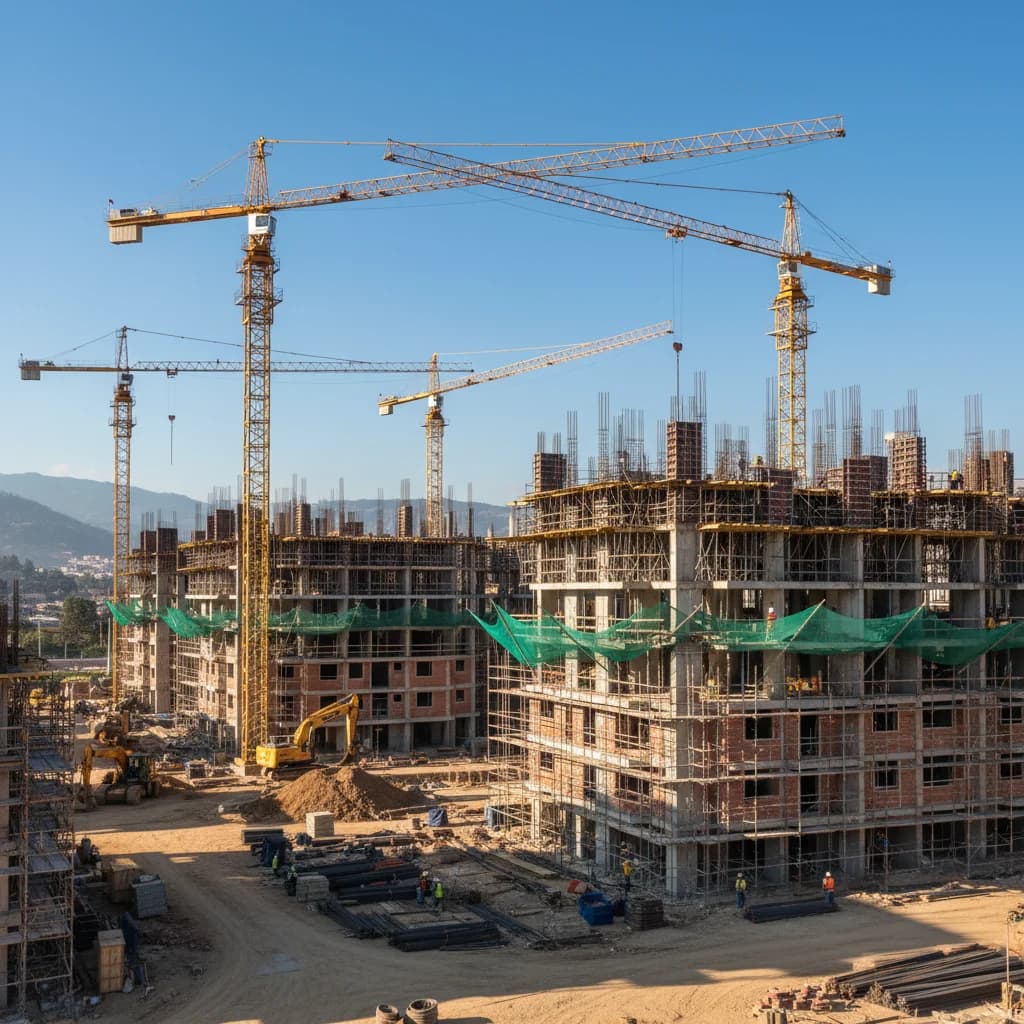
Mortgage disbursements grew 22% in the first quarter of 2026 compared with the same period in 2025, according to Primicias. Housing sales rose 12.5% in January-February, project visits rose 16%, and net reservations rose 23%.