Articles
Business intelligence and analysis on Ecuador
Cangrejos Gold Project Pays First $34M in Advance Royalties; Total Obligation Set at $54M
ODIN Mining confirmed payment of $34 million in advance royalties at contract signing for the Cangrejos gold project in El Oro. The company will pay $54 million in total, with remaining installments tied to plant construction, tailings facility construction and start of operations.

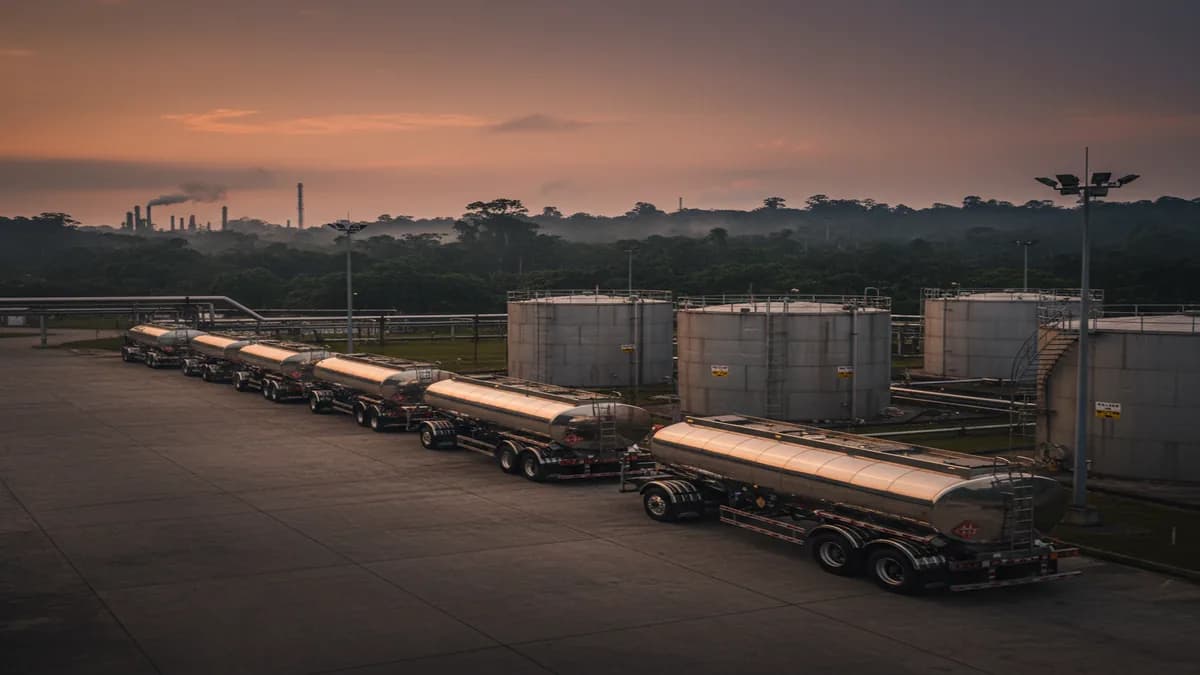
ARCH Opens Sanction Proceedings Against 18 Fuel Marketers Over 448 Station Stock Reports
Ecuador's hydrocarbons regulator opened sanction proceedings against 18 fuel marketers for not reporting stocks at 448 stations between May 9 and May 12. ARCH says the omissions obstruct dispatch management and service continuity; distributors argue the shortage was caused by government import logistics.
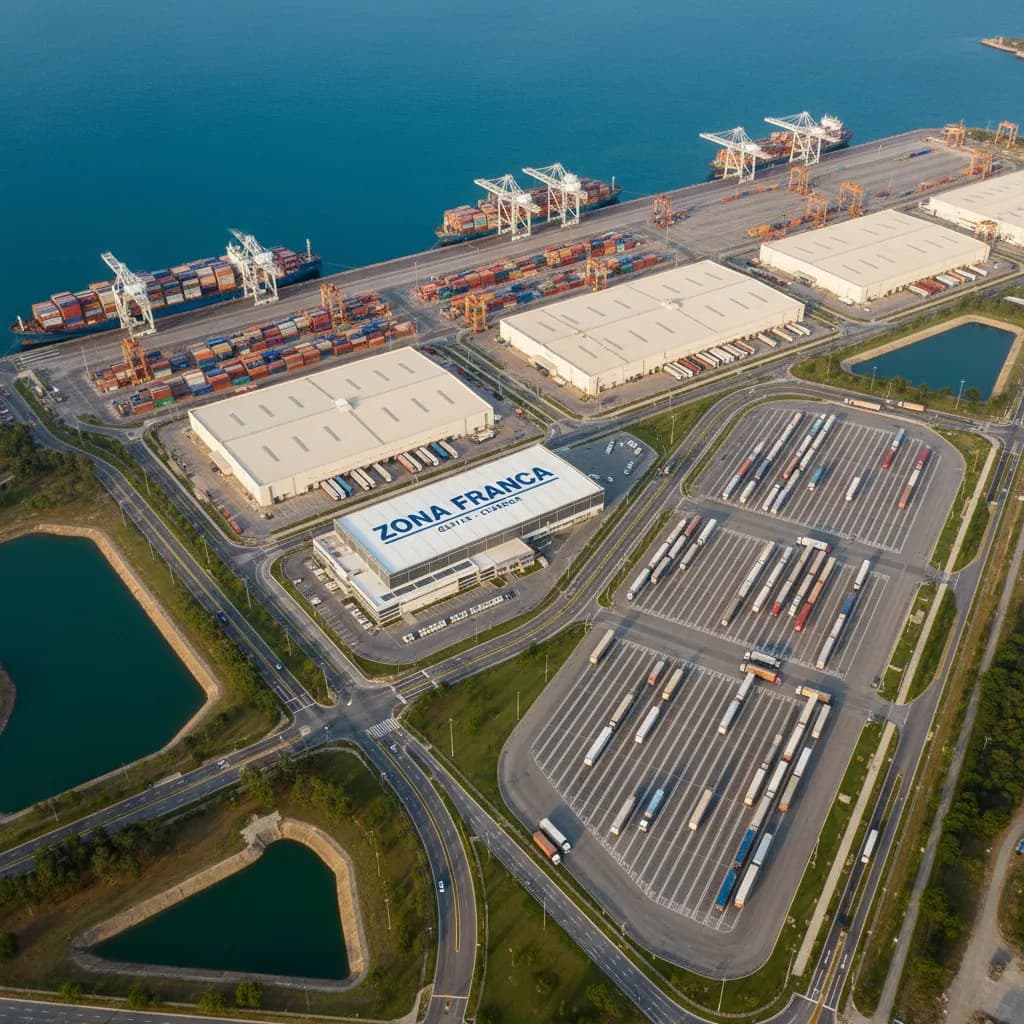
Decree 387 Reorients Ecuador Free Zones Toward Tech Services With 51% Presence Rule
President Daniel Noboa issued Decree 387 on May 18, reforming Ecuador's free-zone regulation to prioritize technology services and the knowledge economy. The decree authorizes tech activities, allows hybrid work, and sets a 51% monthly in-zone presence requirement unless technically justified otherwise.
CFN and IDB Sign $200M+ Credit Line for Ecuador SMEs, Targeting Amazon Bioeconomy Businesses
CFN and the IDB signed loan contracts on May 15 to channel more than $200 million to Ecuador's productive sector through the national financial system. The line targets SMEs, with resources oriented to Amazon bioeconomy businesses.

Comptroller Audit Finds $18.8M in Petroecuador Liabilities in Sacha Contract Liquidation
Ecuador's Comptroller approved a special examination assigning $18.8 million in civil and administrative responsibilities to Petroecuador over the liquidation of a Campo Sacha gas-compression contract. The audit cites unjustified retroactive interest and omitted collection of fines and receivables.

Ecuador Cacao Export Value Falls 63.5% in Q1 2026 to $441M as Prices Correct From 2024 Peak
Ecuadorian cacao export value dropped 63.5% year-on-year in Q1 2026 to $441 million from $1,208 million in Q1 2025. ANECACAO frames it as the long-anticipated correction of the 2024 price spike, not a demand problem, with the US, EU, Russia and Canada still the main destinations.
Only 36 of an Estimated 1,600 Ecuadorian Savings Boxes Are Compliant Before November 2026 SEPS Deadline
Ecuador's Superintendencia de Economía Popular y Solidaria reports only 36 community savings boxes have formalized, against an estimated 1,600 operating nationwide. The compliance deadline is November 2026, and informal third-party deposit-taking persists despite the ban.
Ecuador Funds $19.7M Compensation on April CNEL Electricity Bills for Consumption Up to 180 kWh
Ecuador will compensate $19.7 million on April electricity bills for CNEL customers consuming up to 180 kWh under Executive Decree 379. The measure covers about 1.83 million CNEL clients, with April bills delivered by email in the last two weeks of May.
Esmeraldas Refinery Restarts FCC Unit May 15; Gasoline and Domestic Gas Resume, Diesel Premium Deferred to June 2
Petroecuador restarted the Esmeraldas refinery's FCC unit on May 15, 2026, resuming domestic gas and gasoline production. Diesel premium output is deferred to June 2. Ecuador had been importing 65% of fuel demand during the outage that had the refinery at 41% of its 110,000 bpd capacity.
Noboa Cites 4% Growth, Sub-2% Inflation, Record 2025 FDI in CNN Interview — Claims Pending Independent Confirmation
In a CNN interview from Washington D.C., President Noboa cited 4% economic growth, inflation below 2%, a record for 2025 foreign direct investment, and poverty reduced to 21.4%. These are presidential talking points; Ecuador Brief flags them as claims to be reconciled against official BCE and INEC data.
Ecuador–Argentina AC59 Addendum to Cut Vehicle Tariff from 16.1% to 10%; Adefa Projects Market Share to 2%
An addendum to the AC59 economic complementation agreement will reduce Ecuador's import tariff on Argentine-made vehicles from 16.1% to 10%. Adefa projects volume could triple to ~3,000 units (≈2% of market). Signature is expected in the second half of June; the deal is technically and legally agreed.
Decreto 378 Extends Inter-Provincial Bus Subsidy to June 15; Urban Fare Pressure Builds Across Five Cities
Executive Decree 378, signed May 8, prorogues central government compensation payments to inter- and intra-provincial transport operators through June 15, 2026, pushing the fiscal and political fight over urban fares into mid-2026. Five major cities are at different stages of the same cost-recovery problem.