Articles
Business intelligence and analysis on Ecuador
Plasticaucho Targets Football and Running With 50,000-Pair Venus Launch
Plasticaucho is expanding the Venus brand into football and running footwear, Primicias reports. The Ambato manufacturer is targeting at least 50,000 pairs in the first year after reporting $102.4 million in 2025 sales and $5.5 million in net profit.

MAGP Pushes Social-Security Affiliation for Artisanal Fishers
Ecuador's government is expanding social-security affiliation efforts for artisanal fishers, El Universo reports. Seguro Social Campesino records show 5,743 affiliated fishers in Manabi, Guayas and Santa Elena, with two 2026 campaigns in Manta and Jaramijo.
Ecuador Moves to Eliminate Colombia Security Tariff From June 1
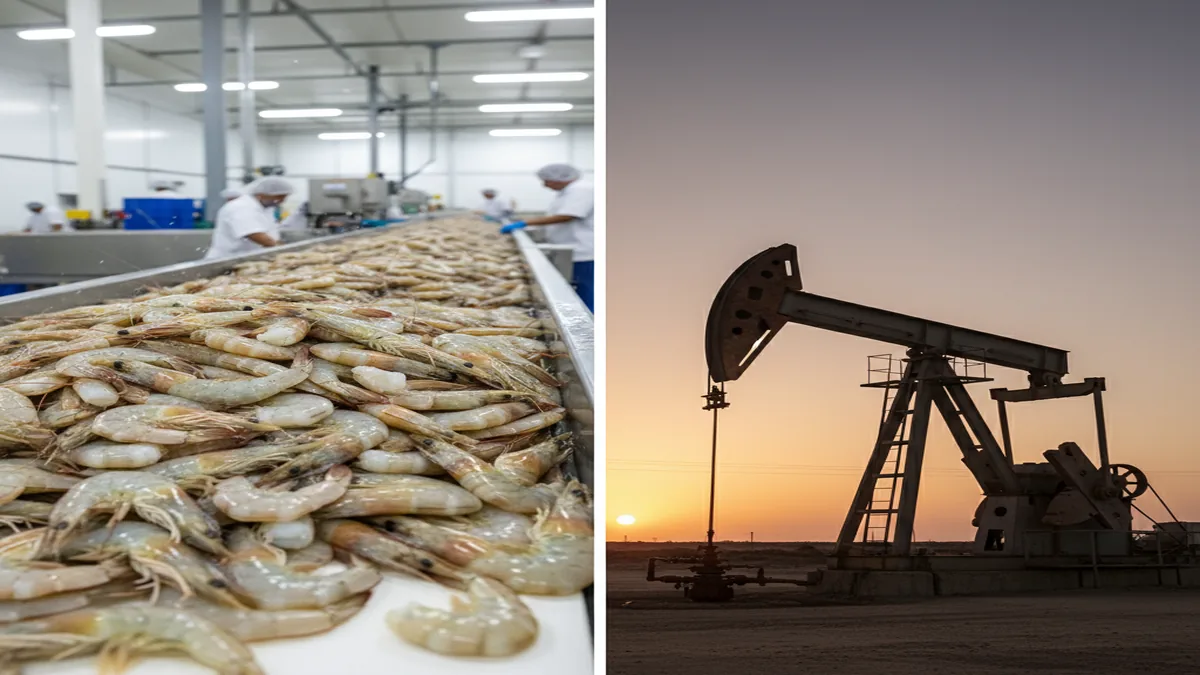
Ecuador plans to eliminate the security tariff on Colombian imports from June 1, Primicias reports. The tariff had reached 100%, while Colombia imposed 35%-75% tariffs on about 191 Ecuadorian products and halted electricity sales.
Ciauto Plans $70M 2026 Investment as Ecuador Auto Assembly Rebalances
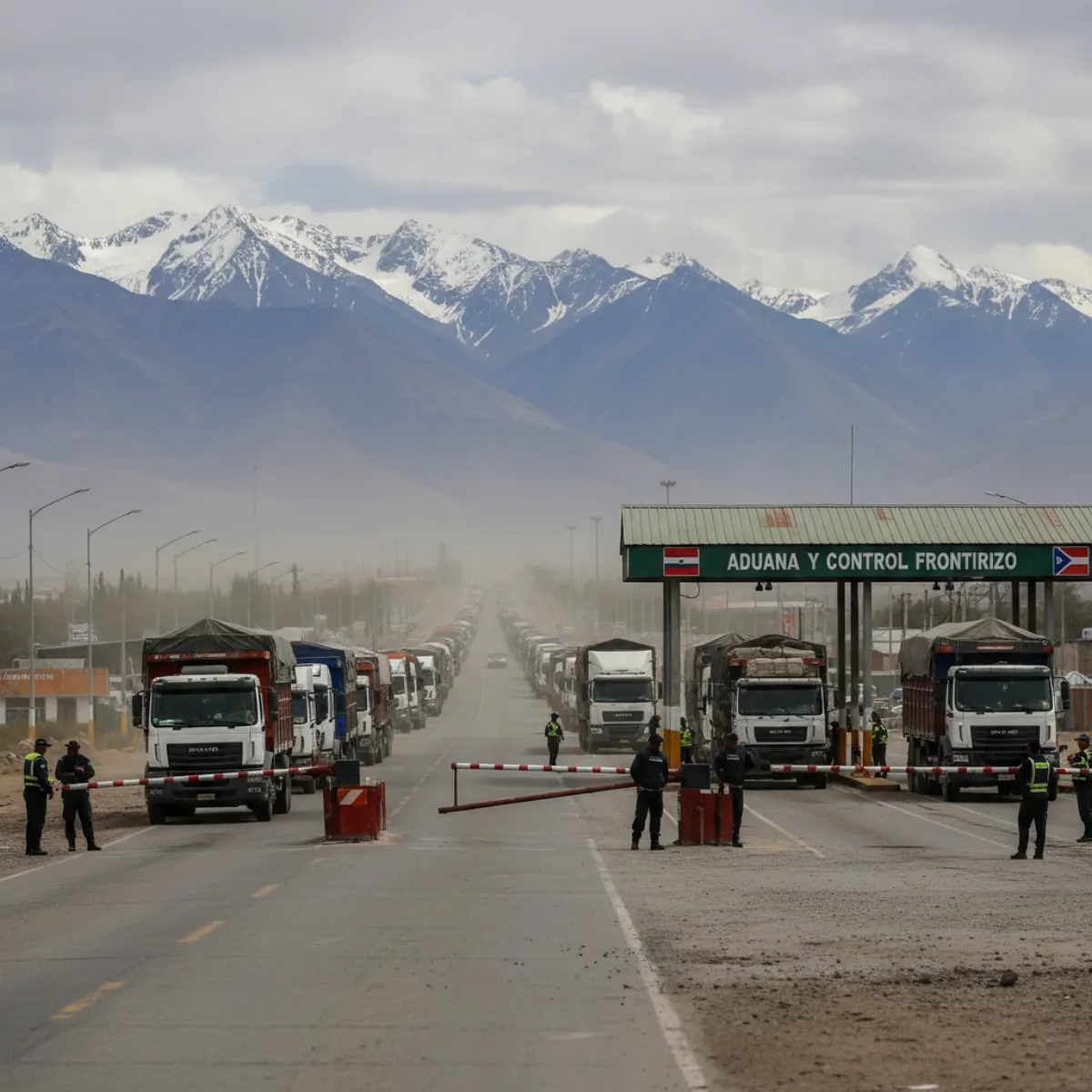
Ciauto plans to invest $70 million in 2026 despite concern over Ecuador's automotive agreement with Argentina, Primicias reports. The Ambato assembler produced 2,992 vehicles in the first quarter, or 61% of local industry output.

Ecuador Rice Prices Fall to Five-Year Low After Colombia Trade Rupture
Ecuador's rice sector is facing its worst price level in five years, Primicias reports. Corpnoarroz says the Colombia trade rupture blocked a market that absorbed about 100,000 tons of annual Ecuadorian surplus.
Coca Codo Erosion Risk Rises Ahead of June-July Amazon Rain Peak
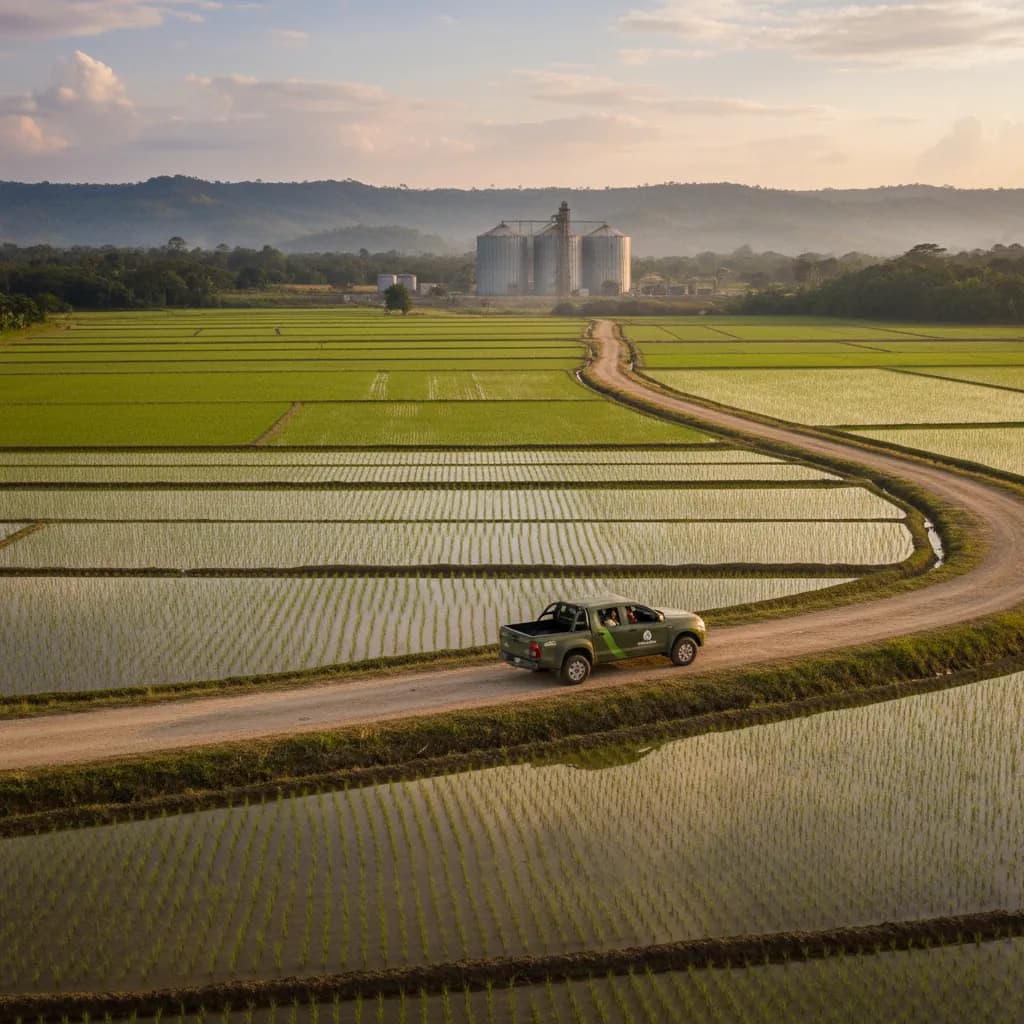
June and July historically bring the Coca River's highest flows, increasing risk around Coca Codo Sinclair's intake works, Primicias reports. The regressive-erosion front remained 3.6 km from the intake in the latest published report before the May 21 dike damage.
Programmed Power Cuts Cover 54 Cities in 15 Provinces With User Compensation
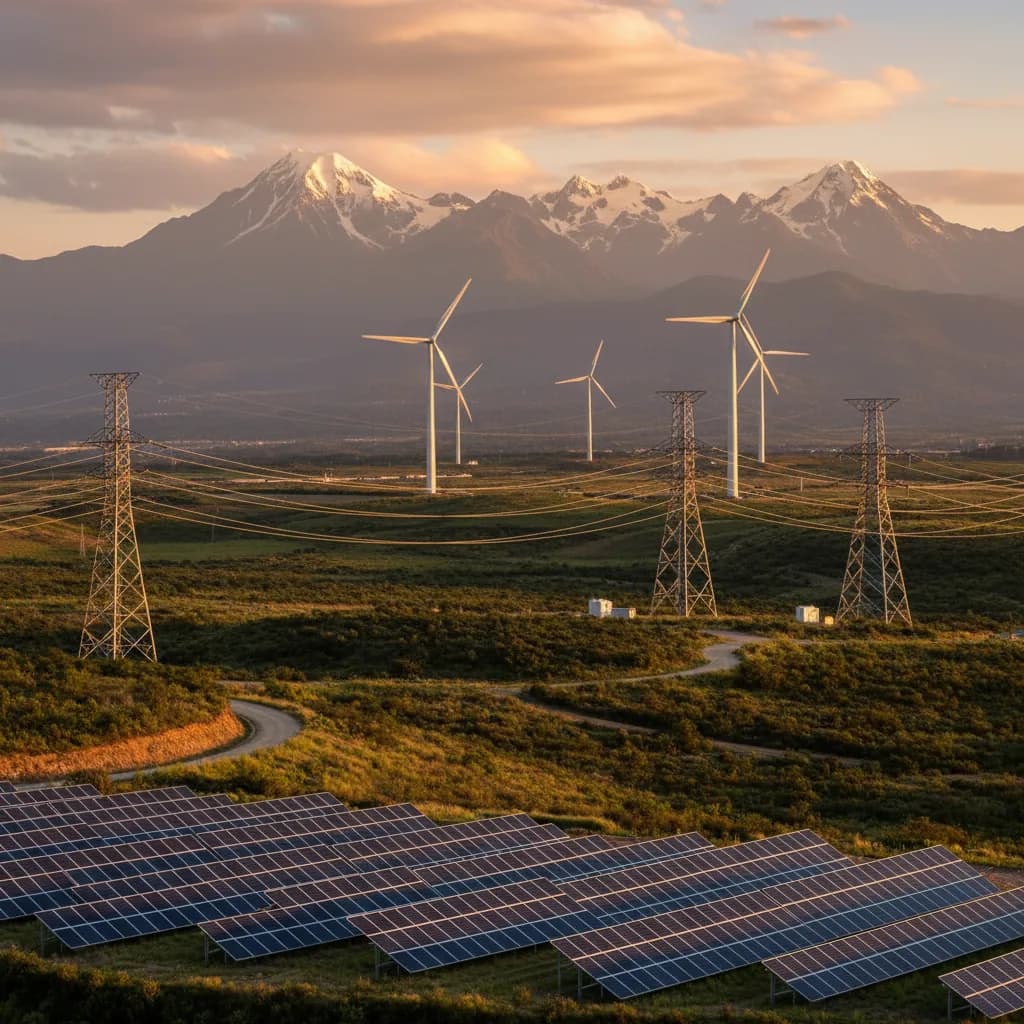
Ecuador will apply scheduled electricity cuts in 54 cities across 15 provinces during two consecutive weekends, Primicias reports. Energy Minister Juan Carlos Blum said the work is tied to preventive maintenance and system strengthening ahead of a possible El Nino event.

SRI Makes IVA Declarations Valid Only With Payment Starting June 1
Ecuador's tax authority will require IVA declaration and payment to occur simultaneously from June 1, Primicias reports. Late filing can trigger a 3% penalty on the amount due or 0.1% of gross sales or income when no IVA is determined.

Millicom Plans Tigo Brand Consolidation for Movistar and Tuenti in Ecuador
Millicom's Ecuador transition is moving toward a single Tigo brand, Primicias reports. The company completed the $380 million acquisition of Telefónica's Ecuador mobile operations on October 30, 2025.
Cerro Azul Order Tests Ecuador Mining Cadastre Reopening After Eight-Year Freeze
Ecuador's mining cadastre reopening moved back into focus after a ministerial agreement tied to Cerro Azul, Primicias reports. The order directs Arcom to begin a gradual and progressive opening for small mining of aggregates and stone materials in the Guayaquil-Daule-Samborondon corridor.

Petroecuador Output Falls to 356,867 Bpd During High-WTI Window
Petroecuador produced 356,867 barrels per day in April 2026, down 17,733 bpd year over year, Primicias reports. The decline occurred while WTI averaged $97 per barrel during the three-month conflict-driven price window.

BlaBlaCar Enters Ecuador as Carpooling Platform Across Intercity Mobility Market
BlaBlaCar has entered Ecuador as a carpooling platform, Primicias reports. The company says it is present in 21 countries and is expanding into eight Latin American markets, including Ecuador.