Articles
Business intelligence and analysis on Ecuador
Violence Costs Ecuador USD 12.2B Annually As Illicit Flows Enter Formal Economy
A 2026 IAEN study estimates Ecuador's annual violence cost at more than USD 12.2 billion, or USD 1,127 per person. The analysis links organized crime to household, corporate, fiscal, tourism, export-security, and money-laundering pressures.
Ecuador Pushes Emergency Arbitration In Agenda 2040 Investor-Security Package
Ecuador’s Agenda Crecimiento 2040 proposes emergency arbitration as part of a legal-security package for investors. The measure targets urgent interim relief in state-private disputes while Ecuador works through a broader reset of investment protection after a March 2026 Constitutional Court interpretation.
Ecuador's ministry merger: June decree and August records
Official records establish the merger order and a subsequent act under the new ministry name, without proving every transfer was complete.
Chevron Seeks Enforcement Of USD 224.38M Ecuador Award In Washington
Chevron and TexPet have asked a Washington court to enforce a USD 224.38 million claim against Ecuador tied to a Hague award. The reported total includes USD 175.72 million in base damages, USD 40.47 million in pre-award interest, and post-award accruals.
SRI Sets Mechanism For Tax On Undistributed Corporate Profits
Ecuador’s tax authority established the mechanism for declaring and paying the single tax on dividends or profits not distributed to shareholders. The rule applies to companies that have not distributed accumulated profits from prior years by July 31 of the current fiscal year.
SRI Shifts Commercial Transport Billing To Authorized Operators
Ecuador's SRI changed commercial transport billing rules from July 13, 2026. Heavy cargo, school, tourism, mixed, alternative and light cargo transport must now invoice clients through authorized operators, with 90 days to adapt electronic billing systems.
Guayaquil Business Chambers Challenge SRI 60% Credit-Note Limit
The Guayaquil Chamber of Industries and Guayaquil Chamber of Commerce challenged SRI Resolution NAC-DGERCGC26-00000015, which limits use of credit notes to 60% of the tax amount due from May 1, 2026. The chambers argue the measure hurts productive-sector liquidity.
Customs Reform Targets More Than 12,000 Abandoned Containers Per Year
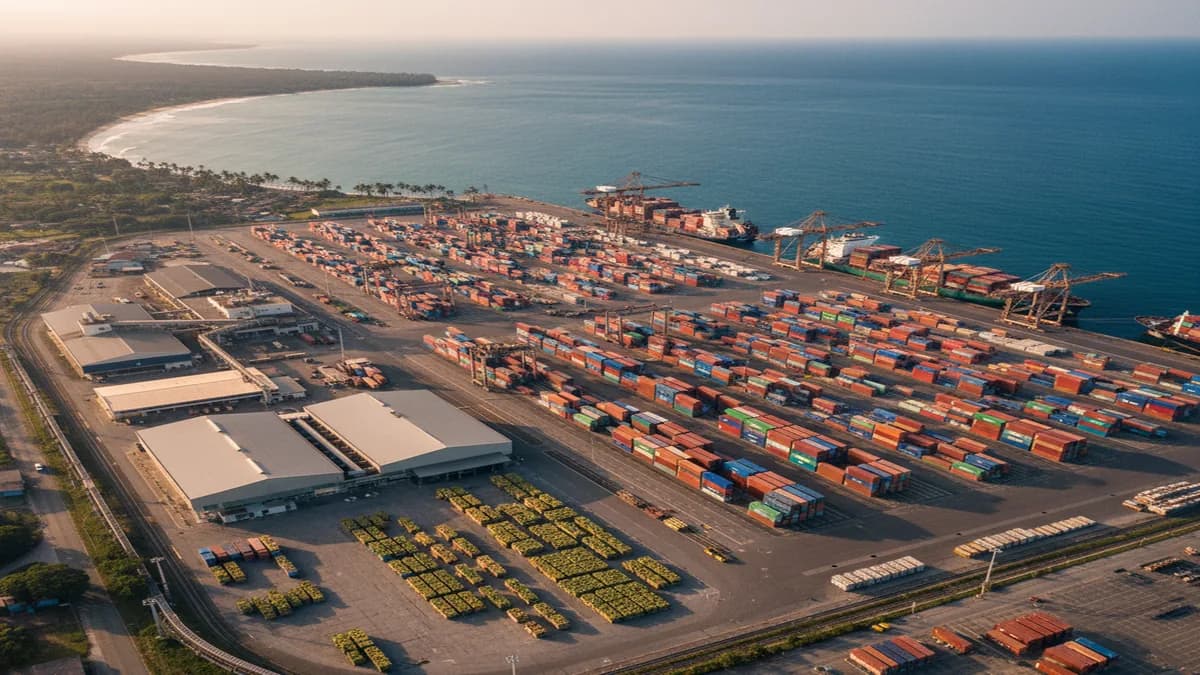
Ecuador’s Economic Development Committee approved the second-debate report for a customs reform bill. The proposal targets abandoned cargo, including more than 12,000 containers per year and approximately USD 450 million in retained cargo value.
Ecuador Spends USD 148.4M On Public-Sector Severance In First Half
Ecuador spent USD 148.4 million in the first half of 2026 on public-sector severance, including layoffs, post suppressions, resignation purchases and voluntary retirement incentives. The amount is USD 60 million, or 68%, above the first half of 2025.
Decree 444 Adjusts Ecuador Fuel Bands With Five-Cent July Drop
Ecuador changed the fuel-price stabilization formula under Decree 444, leading to a five-cent reduction from July 12 for Extra, Ecopaís and diesel. Extra and Ecopaís fall from USD 3.31 to USD 3.26 per gallon, while diesel Premium falls from USD 3.25 to USD 3.20.
Ecuador PAI Spending Reaches USD 1.158B In First Half Of 2026
Ecuador’s public investment plan spending reached USD 1.158 billion in the first half of 2026, more than double the same period of 2025. The acceleration matters because the PAI is funded with internal and external debt.
CNE Receives 286 Complaints Against CPCCS Postulations For 2027 Vote
Ecuador’s electoral authority received 286 complaints against CPCCS postulations for the 2027 election cycle. The process now moves into review by the Verification Commission and a July 9-13 contradiction period.