Articles
Business intelligence and analysis on Ecuador
Ecuador Collected USD 149M From Colombia Tariff, Raising Refund-Claim Exposure
Ecuador collected USD 149 million from the security tariff imposed on Colombian imports between February and May 2026. The tariff reached 100% in May before being eliminated on June 1, creating potential refund-claim exposure after CAN ordered both countries to lift reciprocal trade measures.
Sierra-Coast Logistics Corridor Restricted Through June 28
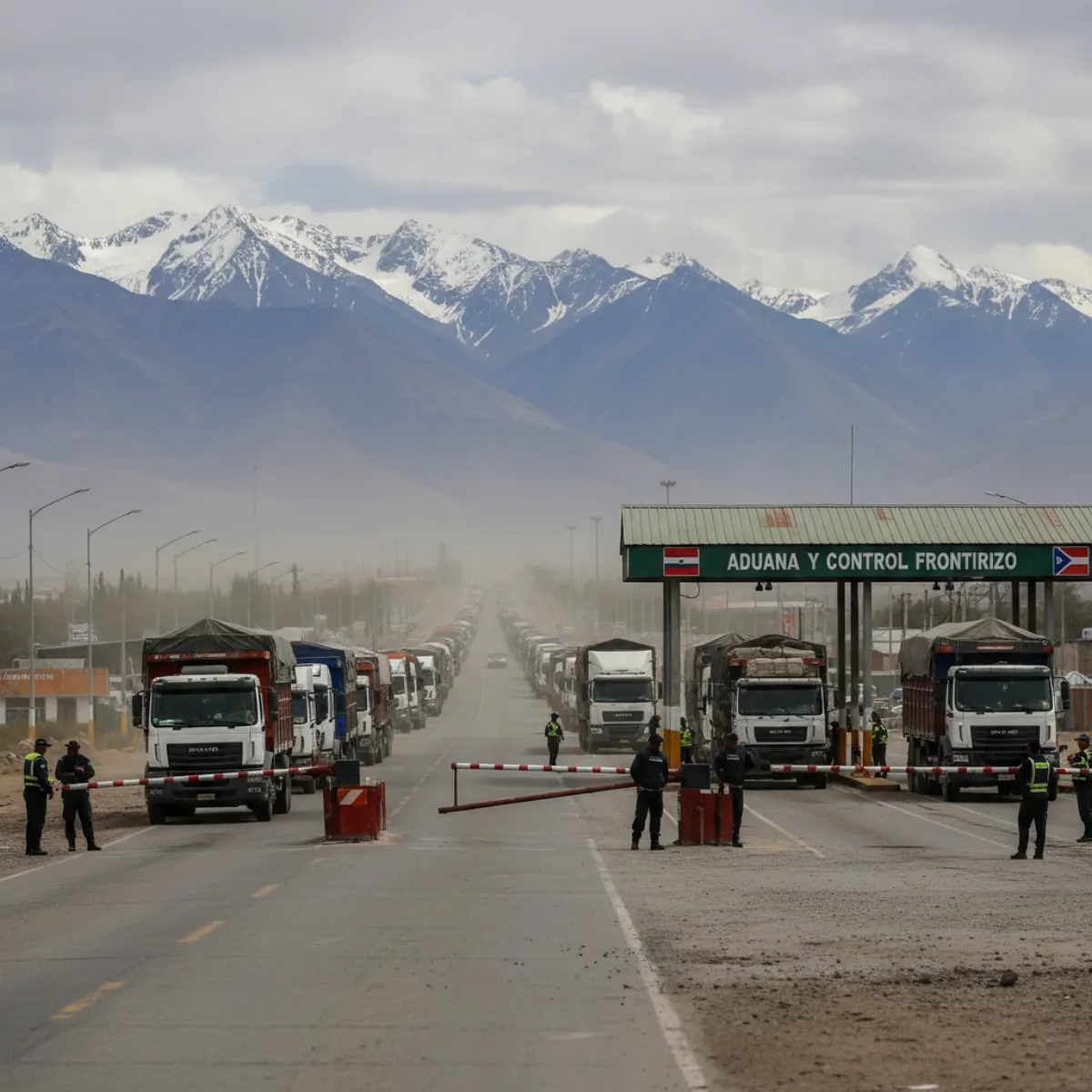
Traffic restrictions on the Balbanera-Pallatanga-Cumandá road run from June 22 to June 28, 2026 as rehabilitation work proceeds on seven sections. The corridor connects Ecuador’s central Sierra with the Coast and supports passenger, agricultural and heavy-cargo movement between provinces including Chimborazo and Guayas.
Guayaquil Airport Keeps Flights Operating After Security Event Restricts Access
Guayaquil’s airport remained operational for scheduled domestic and international flights after a June 17 shooting outside the terminal. The business impact was concentrated in access control, passenger flow and security operations rather than immediate flight cancellations.

Senae Seizes Counterfeit Ecuador Jerseys in Customs Control
Senae said counterfeit Ecuador national-team shirts were detected during a control on a parcel truck attempting to bring merchandise into the country. The agency framed the action as part of its work against contraband and falsified products.
CAN Countries Discuss Single Andean Sky After 40M International Passengers in 2024
Andean Community countries discussed a “single Andean sky” proposal at the IV Andean Air Transport Forum in Quito. The subregion moved 40 million international passengers in 2024, including 6.47 million passengers traveling between CAN countries.
Colombia Removes 30% Tariffs on Ecuadorian Goods After CAN Dispute
Colombia removed the 30% reciprocal tariffs on selected Ecuadorian goods through Decree 0583, derogating Decree 170 of February 20, 2026. Rice tariffs will be dismantled within 45 days as customs controls are strengthened along the southern border.
World Cup Demand Could Lift Ecuador June Sales to $25.609B
Ecuador's June sales are estimated at $25.609 billion, up 10.1% from $23.269 billion in June 2025. Commerce alone is projected at $10.701 billion, up 14%, as World Cup demand flows through restaurants, bars, sports retail, electronics, delivery and telecoms.

Agricominsa Cleared to Acquire Plásticos Ecuatorianos Assets
The Superintendence of Economic Competition authorized Agricominsa to acquire assets linked to the productive and commercial activities of Plásticos Ecuatorianos S.A. The transaction covers a packaging company founded in Guayaquil in 1967 and linked to Tonicorp.
World Cup Demand Pushes Ecuador Fashion Retail Beyond Jerseys
Ecuador's World Cup apparel demand is expanding beyond sports jerseys into guayaberas, polos, blazers, suits and casual wear. Pical sold more than 500 licensed Tri polo shirts across 39 stores, while Guayaberas Orellana launched a $50 guayamisa.
Port Reform Targets 12,000 Abandoned Containers in Ecuador
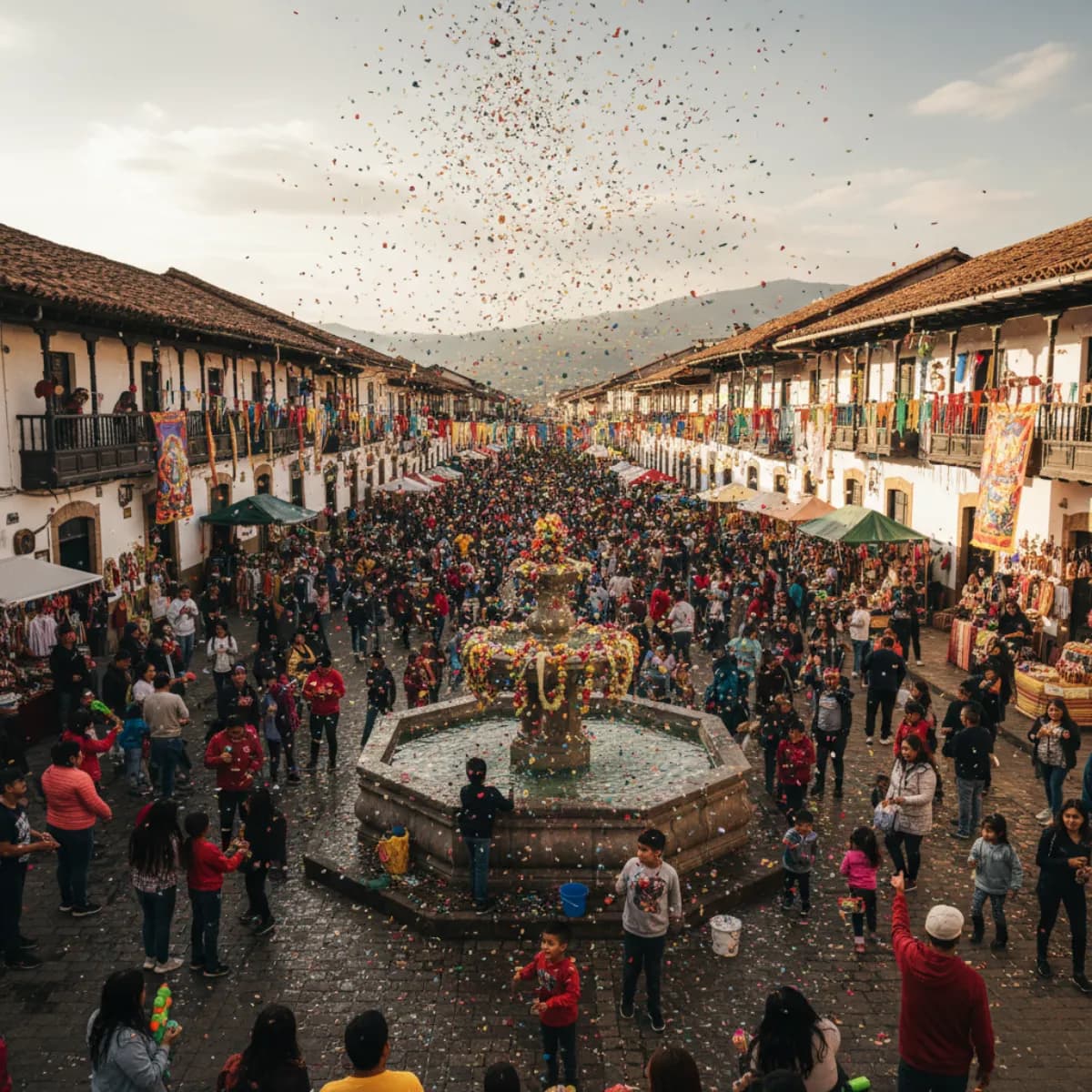
Ecuador is advancing a COPCI reform to reduce an annual backlog of more than 12,000 abandoned containers in national ports. The retained cargo is valued at about $450 million, with average waits of 365 days and some immobilized goods stored for more than 18 years.
Arcamia Opens Cumbaya Concept Store After 20% Sales Growth
Arcamia opened a new Experience-format store in Cumbaya after annual sales reached $1.8 million, up 20% from 2024. The company currently operates seven stores in Quito and Cuenca and says it is evaluating expansion to additional Ecuadorian cities in 2026.
Ecuador Air Travel Remains at 0.45 Trips Per Capita
Ecuador recorded 0.45 air trips per capita in 2025, below Peru, Colombia, Mexico and Chile. IATA figures show upside in the market, with Ecuador posting 11.1% growth in routes, 0.9% in frequencies and 13.4% in seats.