Articles
Business intelligence and analysis on Ecuador
Ecuador Fisheries Face El Niño Supply Pressure As Tuna Catches Fall More Than 13%
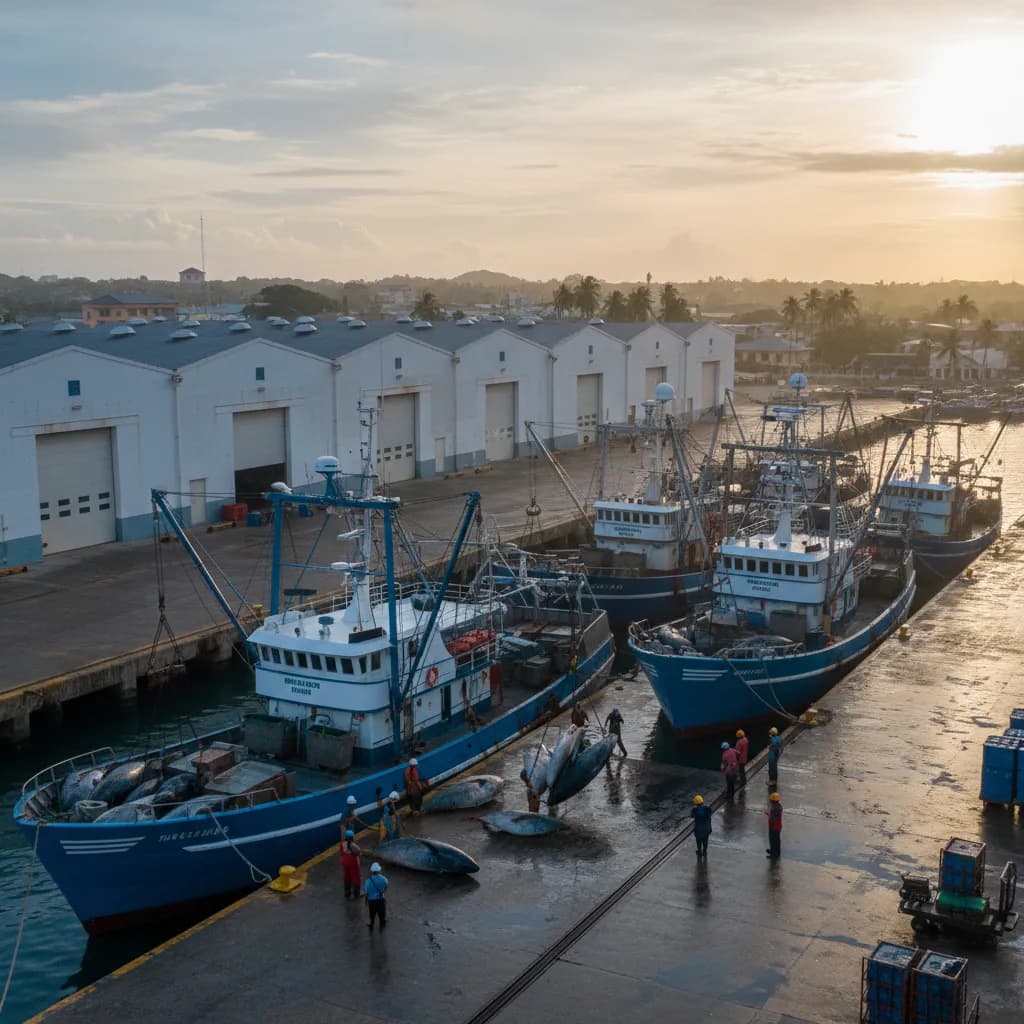
Ecuador’s fishing sector is seeing lower availability as El Niño-linked warming redistributes marine resources. Tuna catches are down more than 13% versus 2025, while smaller coastal species used for fishmeal are under a July 1-August 9 closure.
Ecuador Launches Tuna Executive Table With Harvard Growth Lab Support
Ecuador’s public sector, private tuna actors, international organizations, Harvard Growth Lab, and CAF joined the first Mesa Ejecutiva del Sector Atunero. The mechanism is designed to produce concrete actions, assigned responsibilities, deadlines, and permanent follow-up for one of Ecuador’s core export chains.
LATAM Ecuador to Distribute 6M Paccari Minibars Annually
LATAM Airlines Ecuador will distribute about 6 million Paccari chocolate minibars per year through its international onboard service. The partnership places the Ecuadorian brand on more than 25 routes connecting Europe, Oceania, the United States and Africa.
Faszina Says Ecuador Supplies 50% of Its Exotic-Fruit Import Volume
Spanish importer Faszina Selected says Ecuador represents 50% of its import volume and between 80 and 120 weekly pallets of exotic fruit, El Universo reports. The company distributes through Barcelona's Mercabarna and says Ecuadorian supply is regular and stable throughout the year.
Decreto 394 Allocates $10.5M Diesel Compensation for Industrial Fishing
Decreto 394 creates an extraordinary, temporary, targeted and conditioned mechanism for the industrial fishing sector after the diesel price increase. Primicias reports the total budget is $10.5 million, with eligibility tied to vessel registration, permits, fuel invoices, tax and employer obligations, verified fishing activity and MAGP technical rules.
Ecuador Cacao Export Value Falls 63.5% in Q1 2026 to $441M as Prices Correct From 2024 Peak
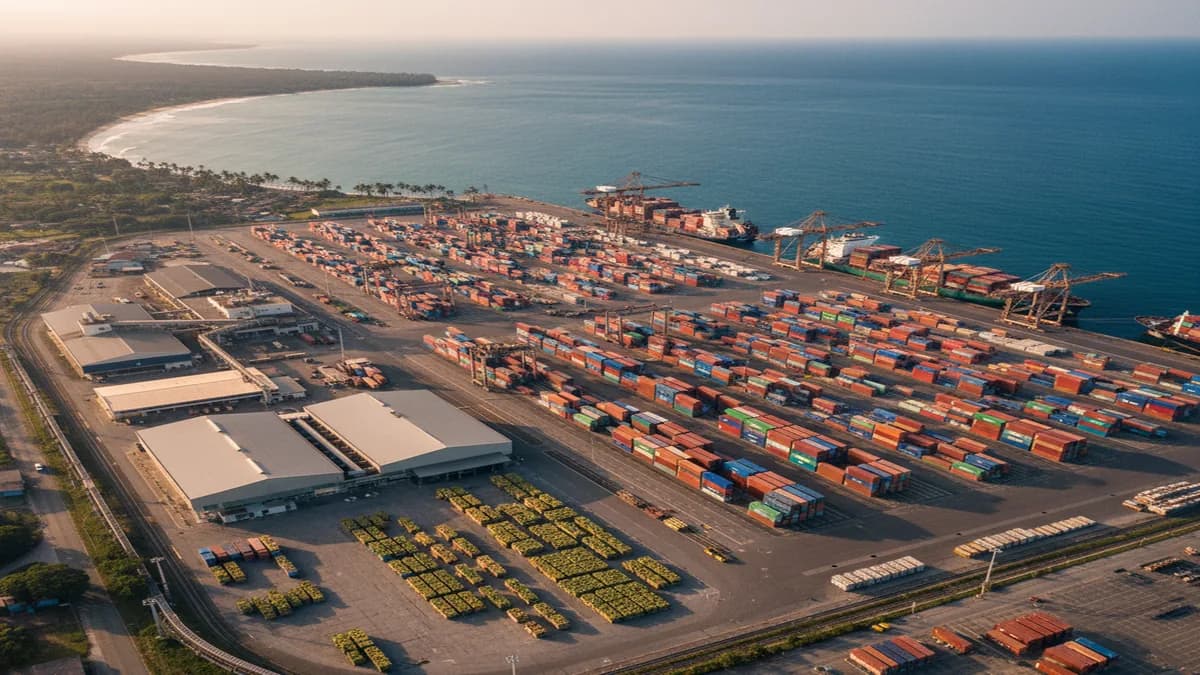
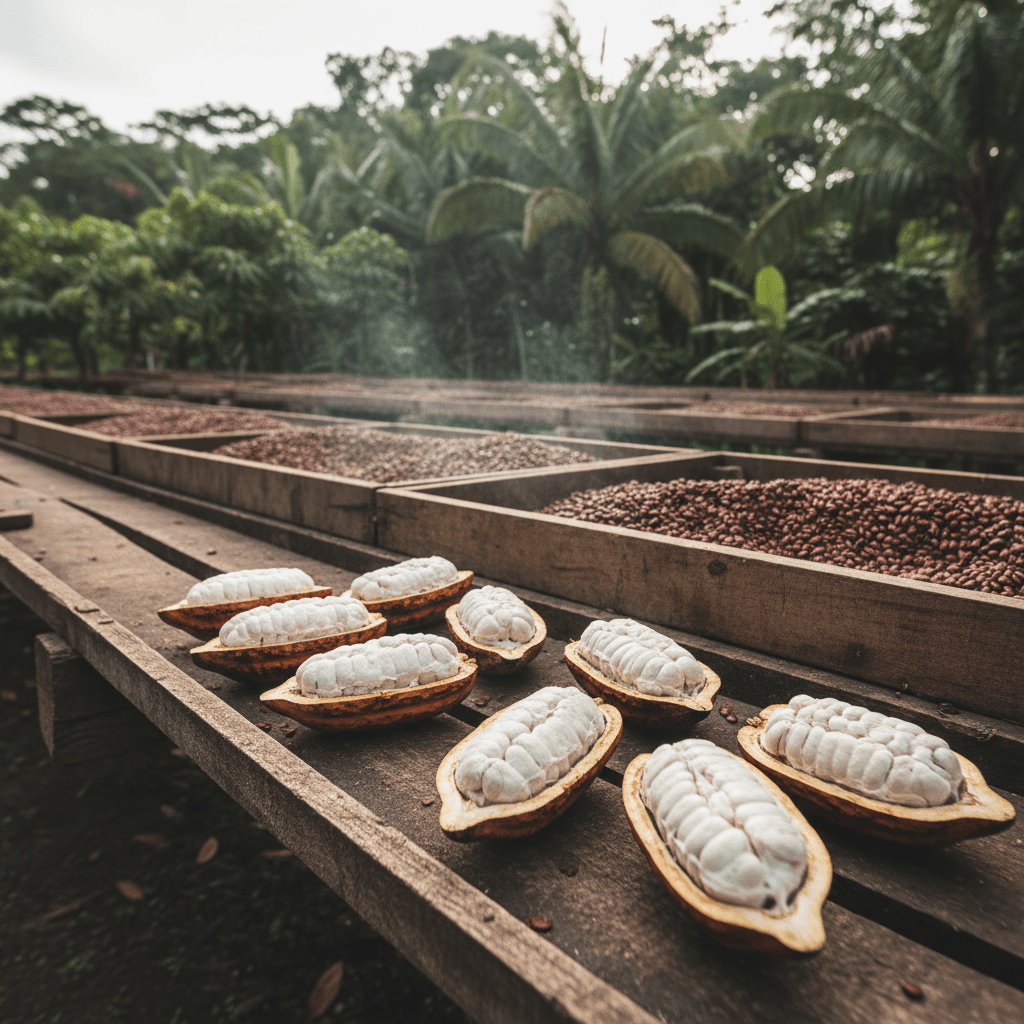
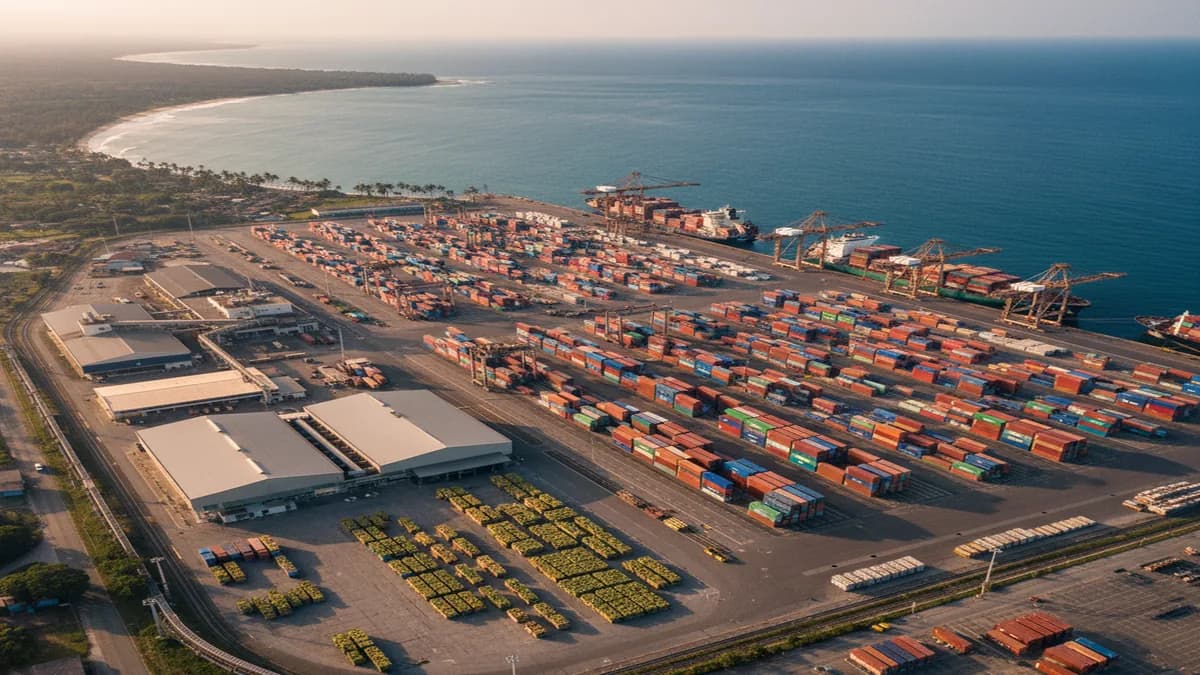
Ecuadorian cacao export value dropped 63.5% year-on-year in Q1 2026 to $441 million from $1,208 million in Q1 2025. ANECACAO frames it as the long-anticipated correction of the 2024 price spike, not a demand problem, with the US, EU, Russia and Canada still the main destinations.
Mother's Day Flower Exports Hit Record 24,800 MT (+16%); Quito Airport Rises to 4th in LatAm Cargo Rankings
Ecuador's Mother's Day flower export season set a new record at 24,800 metric tons over 21 days — a 16% increase over 2025. Avianca Cargo reported 55% growth in Ecuador operations. Quito's Mariscal Sucre airport climbed to 4th in Latin American cargo rankings.
Ecuador Shrimp Sector: 60 Million Pounds Held Up as Middle East War Disrupts Maritime Logistics
Ecuador's largest non-oil export faces a logistics crisis. CNA president José Antonio Camposano reports 60 million pounds of shrimp held up due to maritime route disruptions, port delays, and reefer container shortages caused by the US-Iran conflict. The May 3–18 curfew in coastal production zones adds operational pressure.
Ecuador Banana Exports Rise 10% in Q1 2026 to 111.57 Million Boxes Despite Shipping Disruptions
Ecuador shipped 111.57 million boxes of bananas in Q1 2026, up 9.8% year-over-year. The EU led demand with 34.2% market share and 19% growth, while Turkey posted a 40.5% surge. Shipping disruptions from the Strait of Hormuz closure added $300-600 per container in freight costs.
Ecuadorian Banana Exporters Target 25% South Korea Market Share by 2031 — AEBE Projects $100M Annual FX
Ecuador's banana export association AEBE projects that Ecuadorian bananas can capture 25% of the South Korean market — up from 11% / 3.57 million boxes in 2025 — once the 30% tariff phases out under the Strategic Economic Cooperation Agreement. Full zero-tariff access is set for 2031. AEBE estimates $100 million in annual FX earnings at target.
Fuel Adjustment Transmits to Guayaquil Wholesale Produce Prices — Onion Sacks Up to $45–52, Avocado Cases Double
Vendors at Guayaquil's Mercado Central and the Terminal de Transferencia de Víveres in Montebello are reporting sharp price increases on staple produce items — onion sacks moving from $15 to $45 (with a recent peak of $52), avocado cases from $7 to $14–22, and strawberry cases from $4 to $12–15 — following the April 12 national fuel price adjustment. The ExpresoRcoverage also documents how diesel's 4.7% rise is passing through supply chains.
Cacao Prices Collapse 59% From Peak — Farm-Gate at $180-$190/Quintal
International cacao prices have collapsed approximately 59% from the $13,000/ton peak reached in late 2024, with benchmark futures settling near $3,336/ton. Ecuadorian farm-gate prices for Nacional-variety cacao have fallen to $180-$190 per quintal, down from over $400 at the market's peak. The correction reflects demand destruction in European confectionery, speculative position unwinds, and improved West African production forecasts.